The Top Of The Cat Truck Lineup
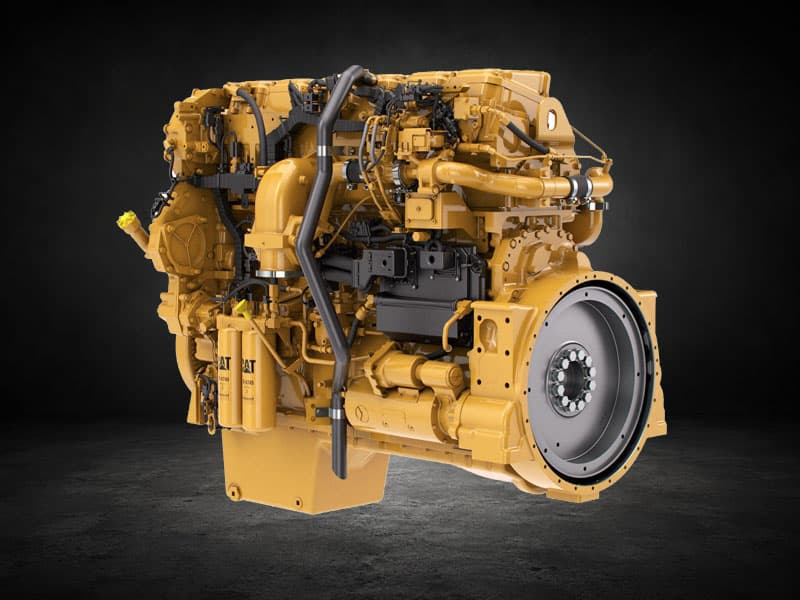
The Caterpillar C18 is the 18.1-liter inline-six that sat at the absolute top of Cat's on-highway truck engine lineup during the 2005-2009 production window before Cat exited the on-highway market. Where the C15 became the iconic owner-operator engine and the C16 served the heavy-haul specialist community, the C18 existed for the operators who needed the absolute maximum — heavy oilfield service, specialized heavy-haul applications, and the rare on-highway customer for whom 600+ horsepower of Cat power was operationally essential.
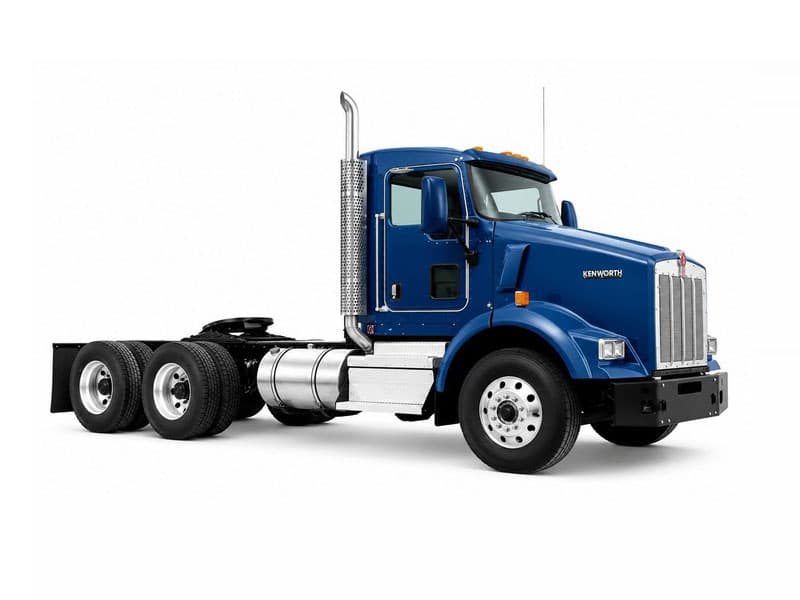
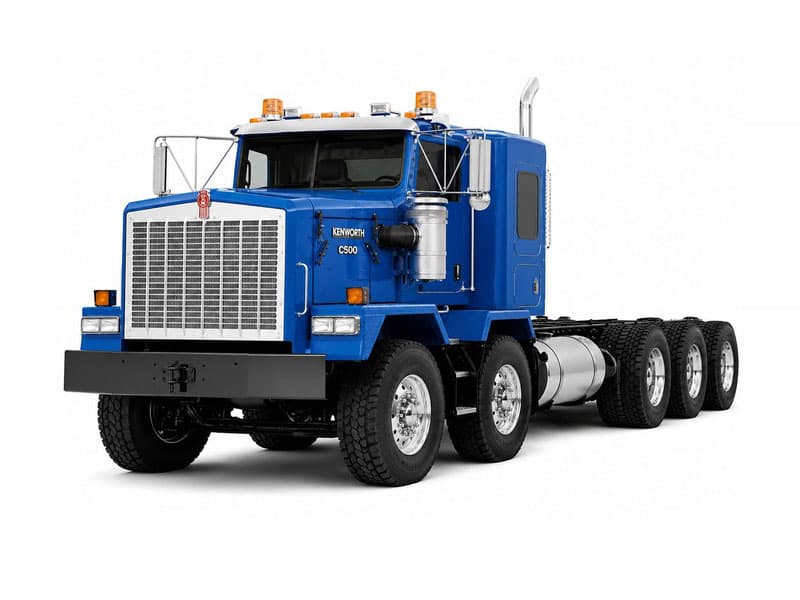
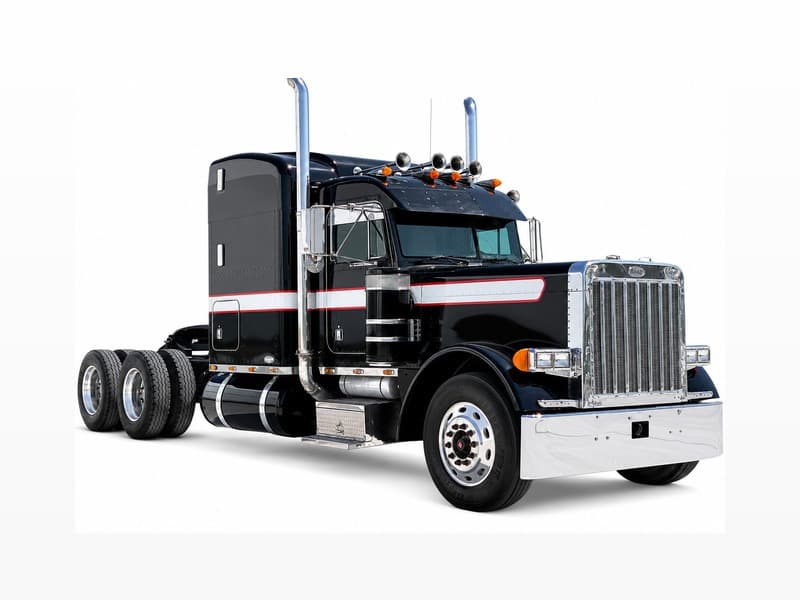
Power ratings on the C18 ran from 550 to 700 horsepower with peak torque to 2,050 lb-ft, putting it in the same capability range as the Cummins X15 high-output variants and the Detroit DD16 (which arrived later). The platform appeared in Kenworth W900 and T800 heavy-spec configurations, Peterbilt 379 and 389 heavy-haul tractors, and a small population of specialty heavy-vocational chassis. C18 production was lower volume than C15 production, but the trucks that received C18 power were typically in applications where the engine selection mattered operationally.
Why C18 Trucks Come To Our Bench
C18 calibration work tracks a different pattern than C13 or C15 work because the customer base is different. Where C13 work skews fleet/vocational and C15 work skews owner-operator broad spectrum, C18 work is almost entirely heavy-haul, oilfield, and specialty operators who chose the platform deliberately:
Heavy-haul performance tuning. The dominant C18 calibration job. Heavy-haul tractors pulling permitted loads, oilfield service trucks operating in demanding production basin conditions, and specialty heavy-vocational trucks benefit substantially from calibrations matched to actual duty cycle. The work scope includes adjusted torque curves, broader torque plateaus at working RPM, refined throttle response under variable load, and improved performance under sustained heavy operation.
Oilfield DPF derate (ACERT). Post-ACERT C18 trucks in oilfield service face the standard set of ACERT-era aftertreatment issues amplified by oilfield operational realities — variable fuel quality, dust loading, extended PTO operation, thermal cycling. DPF derate arrives faster on oilfield C18s than on highway-cycle C18s.
Combined delete preparation for export and dedicated off-road. Used C18-powered trucks have meaningful export-market demand, particularly into Latin American oilfield and mining operations. Combined DPF/EGR delete is standard preparation for these markets.
Calibration recovery on aging modules. C18 ECMs that have stopped responding after years of intermittent service, modules pulled from salvage cores, and modules corrupted by failed dealer flashes can usually be restored without replacement. The aging dealer parts ecosystem for C18-specific components makes recovery work particularly valuable.
ECM Identification
C18 trucks run Caterpillar ADEM IV ECMs accessible through SAE J1939 9-pin with Cat ET. Calibration libraries are C18-specific within the broader Cat ADEM ecosystem. For C18 customers, we ask about the specific operational situation driving the work — sustained loads expected, fuel quality accessed during operation, ambient conditions, and operational tempo — because these factors directly affect the right calibration approach.
Sending us the engine serial number, the truck VIN, and the current calibration ID lets us scope the work accurately before any quote.
What We Program On The C18
Heavy-Haul And Oilfield Performance Tuning
The most common C18 calibration job. Stock-hardware gains of 60-100 hp with proportional torque are typical, with specific numbers depending on starting rating, hardware condition, and operational target. Beyond pure power numbers, the calibration work delivers operational improvements that matter more to heavy-haul operators — smoother torque delivery, better throttle response under variable load, improved performance on grades, and stable operation under sustained high-load conditions.
Combined DPF + EGR Delete (Off-Road And Export)
For C18 trucks dedicated to off-road service or export markets, combined delete eliminates the aftertreatment failure surface. Standard preparation for C18-powered oilfield service trucks where dealer access is impractical and aftertreatment hardware represents recurring operational risk.
Calibration Recovery
For C18 ADEM ECMs that have stopped responding, calibration recovery procedures restore the module to running condition without replacement when possible.
Service Paths For C18 Programming
Ship-in is the most common path. Pull the ADEM IV ECM, ship to Fort Lauderdale, 2-3 day turnaround. Remote programming works for shops with Cat ET. On-site service is available for South Florida operators and for heavy-haul customers in regions where bringing the truck to us makes practical sense.
Quotes return same business day. Tell us the engine serial, the truck chassis, current operational situation, and what you want out of the work. C18 customers typically know exactly what they're looking for before the conversation starts — we approach the work accordingly, with calibration changes that match the operational priority rather than pushing a generic answer.
Why C18 Operators Stay With The Platform
C18-powered trucks today are in the hands of operators who chose them deliberately and have stayed with them through Cat's on-highway market exit, the aging dealer parts ecosystem, and the broader industry shift toward more modern Class 8 platforms. The reasons are operational: in heavy-haul applications, the C18's pull profile and sustained-load durability remain difficult to replicate cleanly with newer alternatives. In oilfield service, the platform's known characteristics under demanding operating conditions matter to operators whose business depends on knowing exactly what their equipment will do under stress. The calibration work we do on the C18 is built around respecting those operational realities — preserving what makes the platform worth keeping while addressing the specific issues that arise from age, mileage, or duty-cycle stress.