Kenworth's Medium-Duty Workhorse
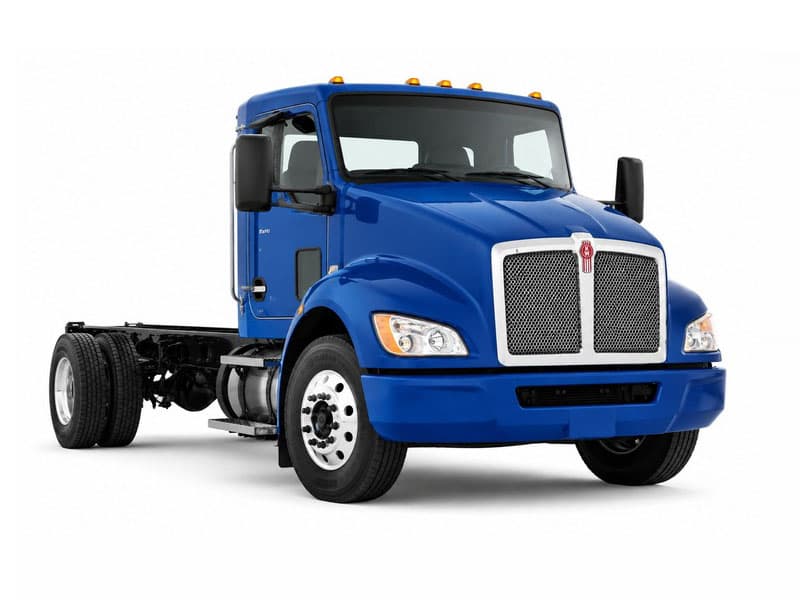
The Kenworth T370 is Kenworth's Class 7 medium-duty chassis — built for the same vocational work the Freightliner M2 106 handles in the Freightliner lineup, but with Kenworth's heavier-duty styling and chassis specifications. Production launched in 2008 to replace the aging T300 in medium-duty applications, and the T370 has been the default Kenworth choice for utility line trucks, towing recovery, refuse collection, fire and EMS apparatus, dump body applications, and a wide range of vocational medium-duty work.
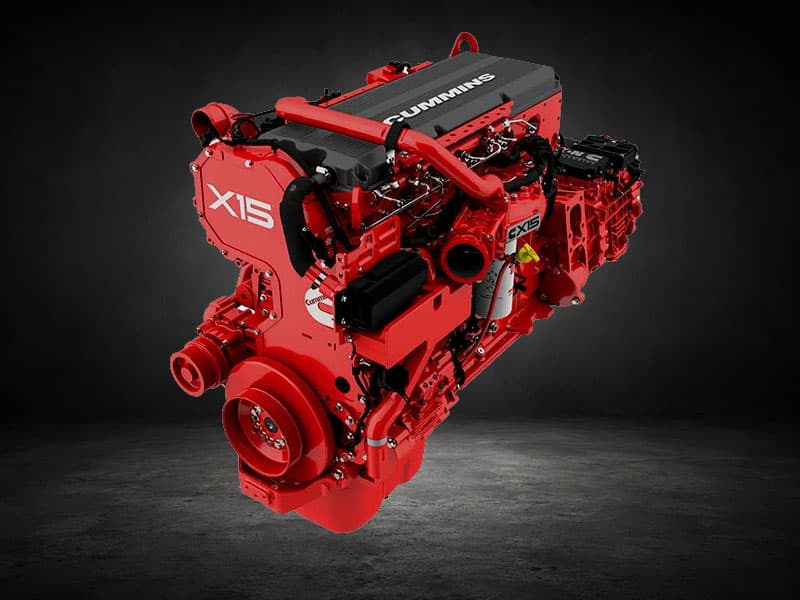
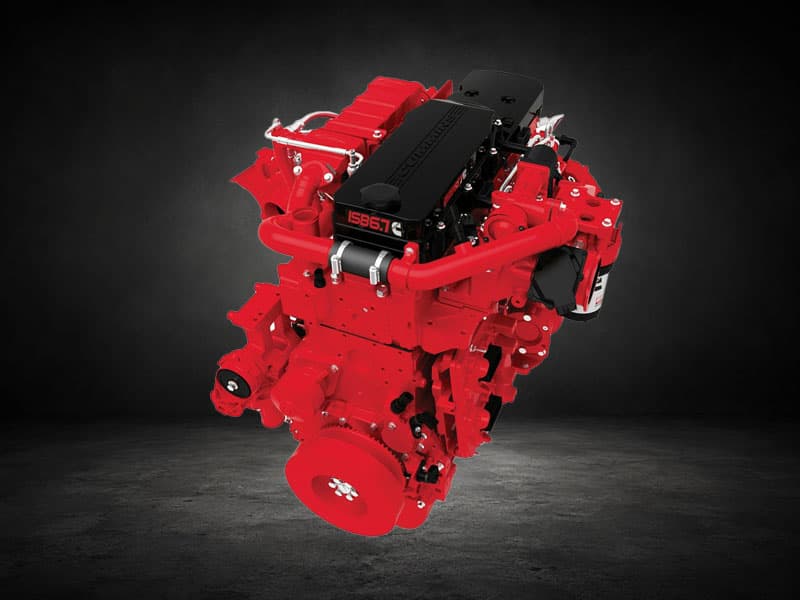
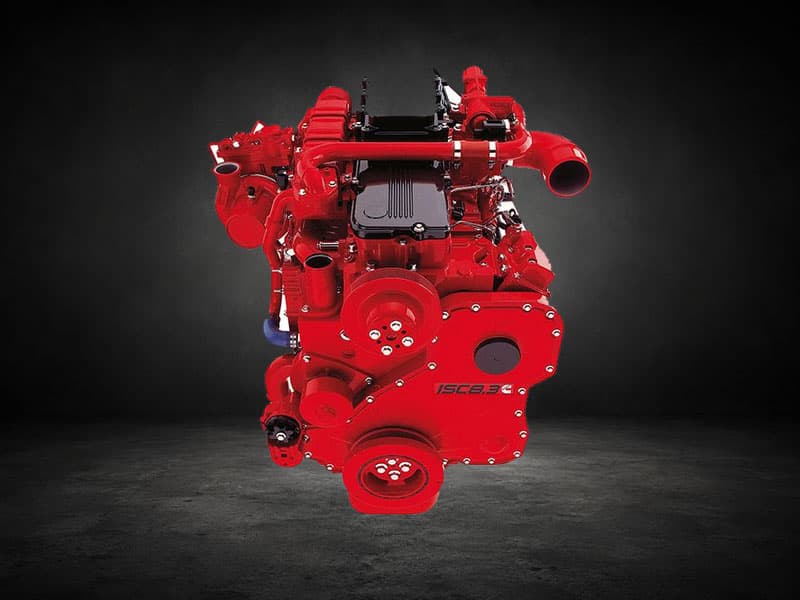
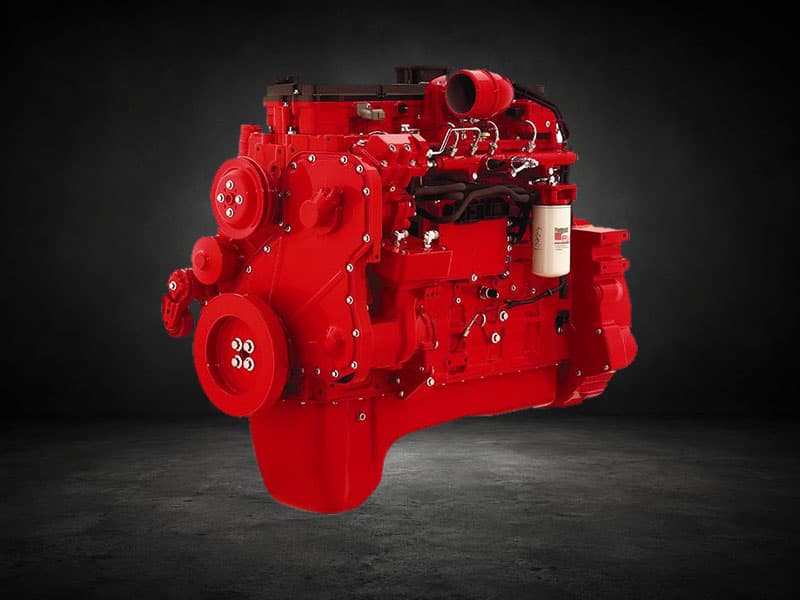
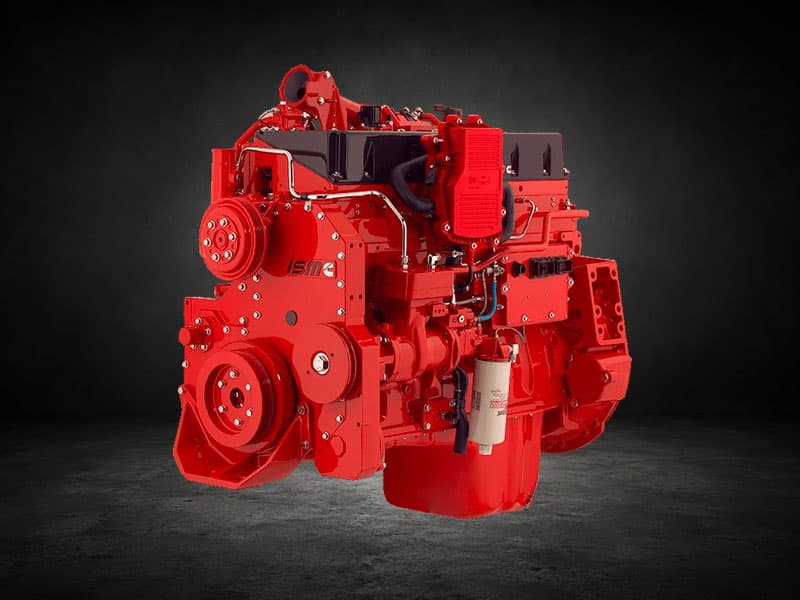
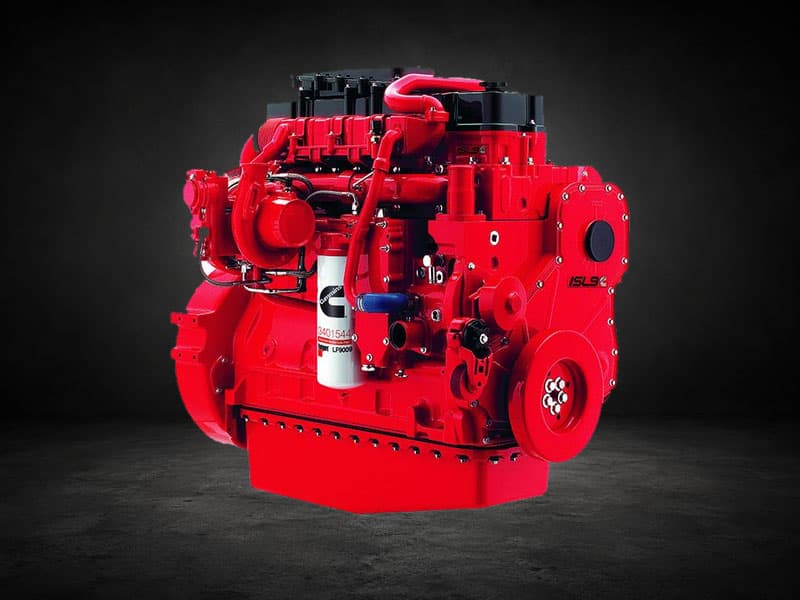
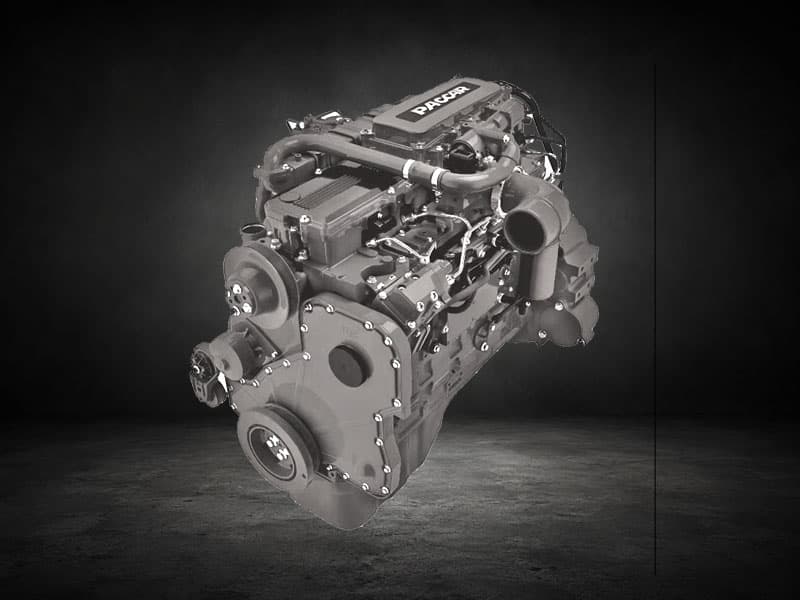
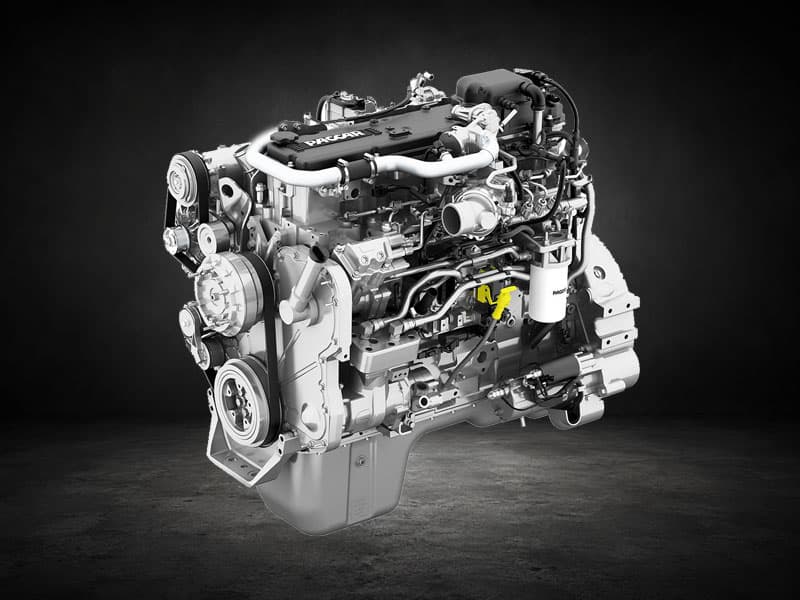
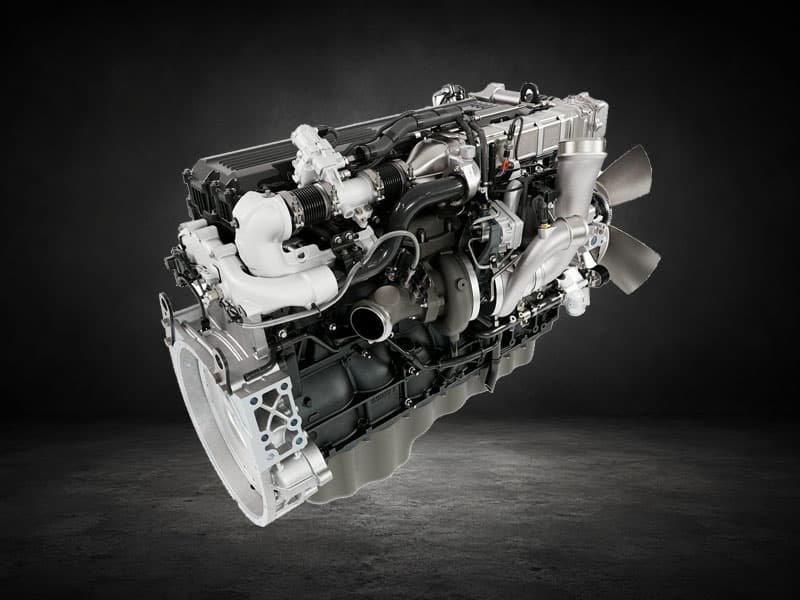
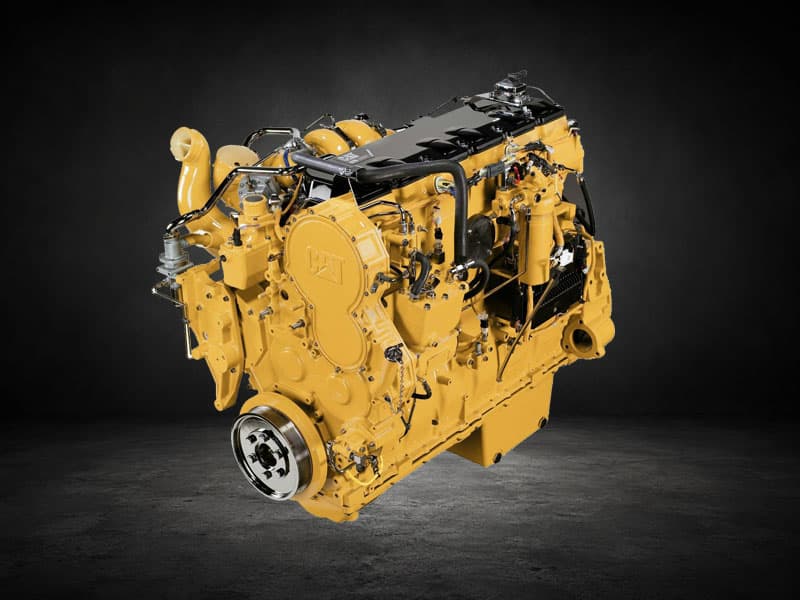
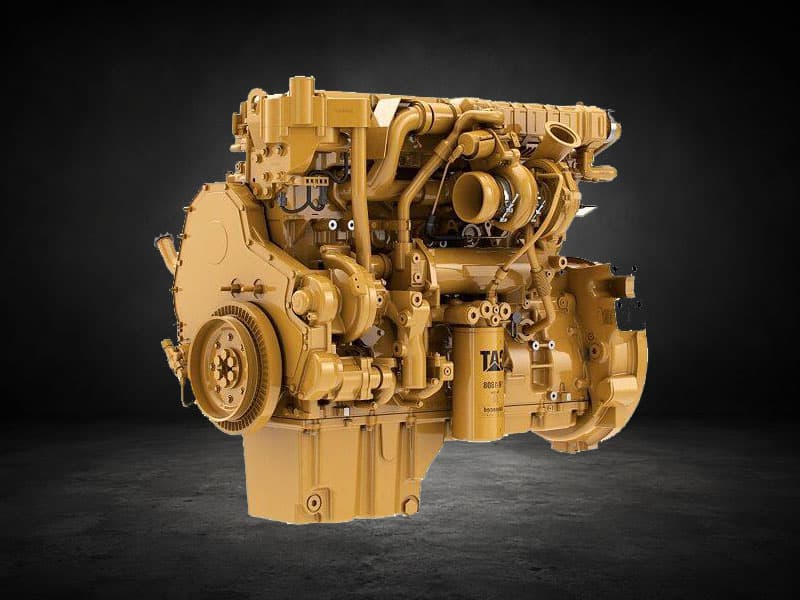
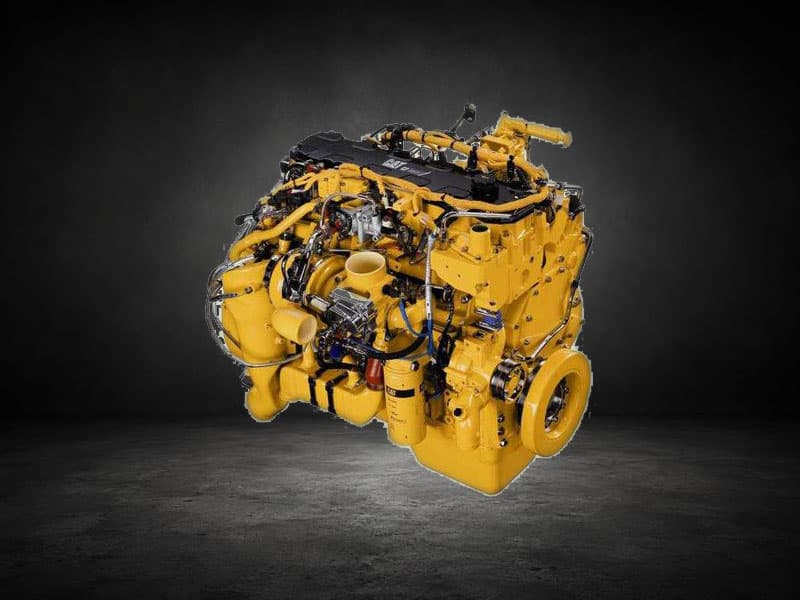
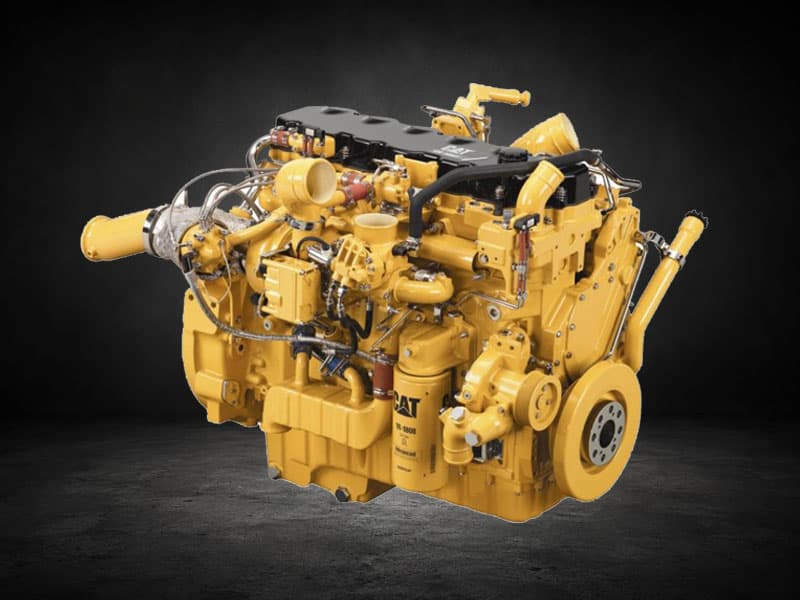
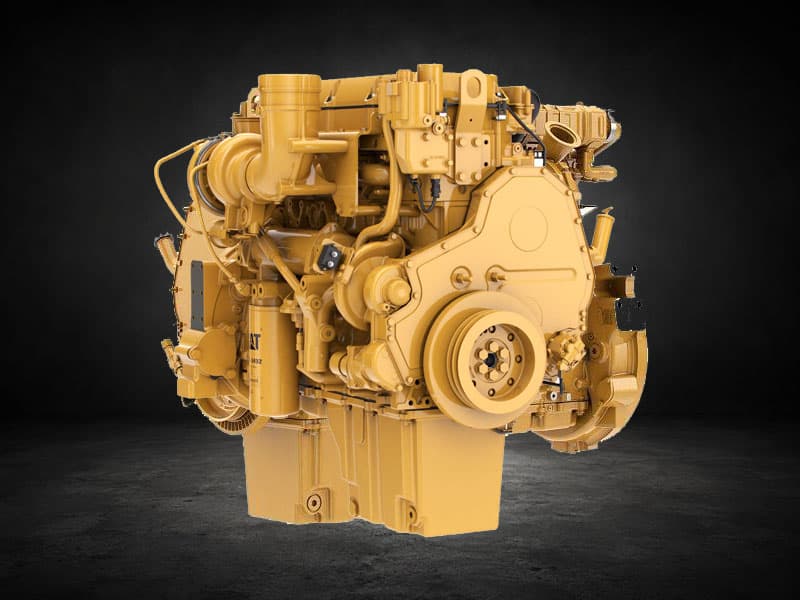
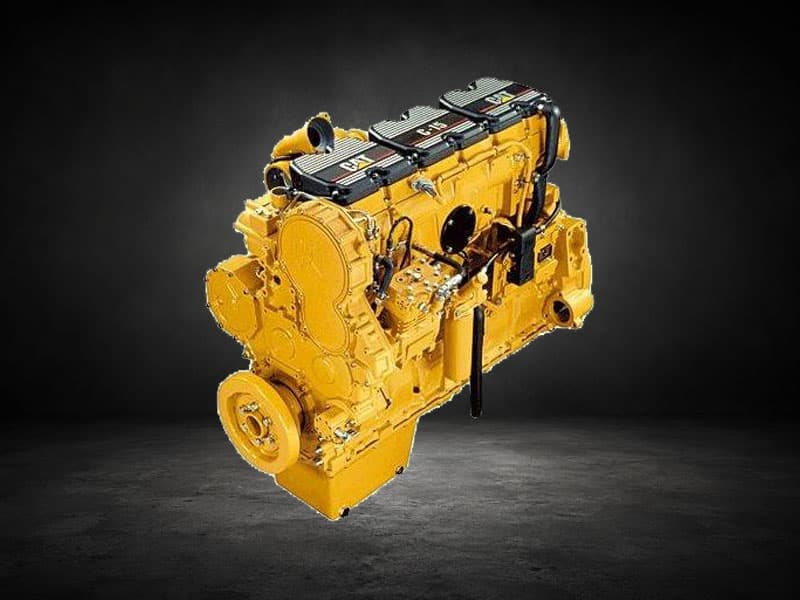
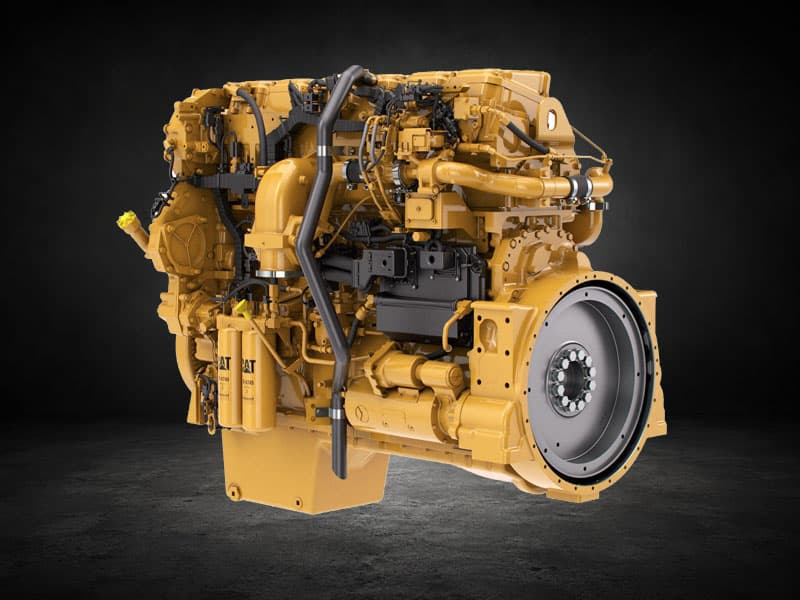
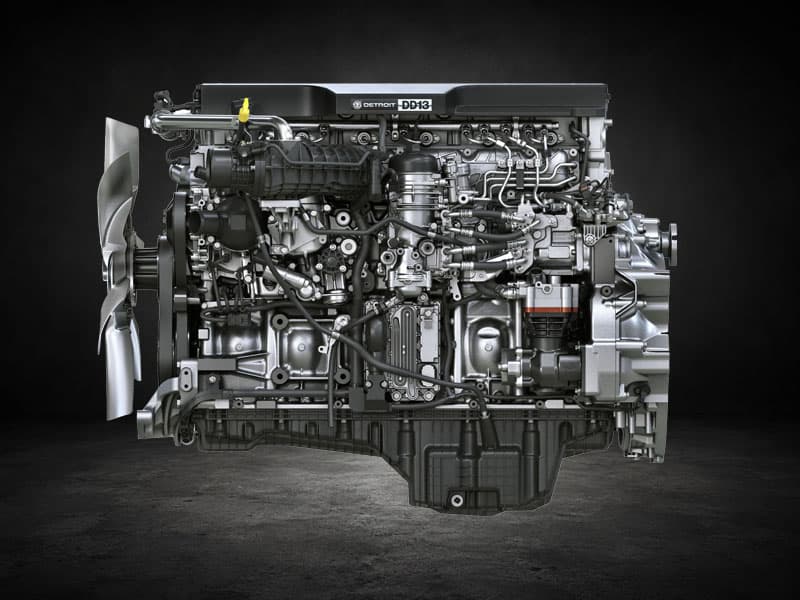
Engine options include the Paccar PX-9 (8.9L) as the most common spec for heavier medium-duty work, the Paccar PX-8 (8.3L) for moderate applications, and the Cummins ISB 6.7 and ISC 8.3 as Cummins-platform alternatives. All post-2010 builds run full EPA aftertreatment hardware. The T370 sits between the lighter T270 medium-duty and the heavier vocational T880 / T800 / W900 Class 8 platforms.
Why T370 Trucks End Up On Our Bench
T370 calibration work tracks closely with M2 106 calibration work because both trucks run similar engine platforms in similar vocational applications. The duty cycle drives the failure patterns:
Utility line PTO patterns. Utility line trucks built on T370 chassis spend significant time stationary at job sites, running PTO hydraulics for the bucket boom or digger derrick. The engine is at idle or low load for hours. The DPF never reaches passive regen temperature. Active regen cycles trigger and often don't complete because the work day ends or the truck moves before the regen finishes. Soot accumulation builds steadily, and DPF derate hits earlier than it would on a highway truck.
Refuse and tow short-cycle DPF issues. T370 refuse trucks running residential routes and T370 tow trucks doing local recovery work see the same short-cycle DPF problem. Constant stops, idle time, short routes between pickups. The aftertreatment system was engineered around a duty cycle these trucks don't run.
Cummins ISB 6.7 and Paccar PX-9 share architectural similarities. The PX-9 is derived from the ISB family — Paccar's branded version of a Cummins-built engine. Calibration work on PX-9-powered T370s uses much of the same approach as ISB 6.7 work on the same chassis. ECM families differ but the underlying engine architecture is closely related.
DEF dosing failures from urban thermal cycling. T370 trucks doing urban delivery, refuse, or tow work see more thermal cycling than highway trucks. DEF dosing valves fail earlier. NOx sensors drift faster. Standard pattern across all post-2010 platforms in urban duty.
T370 Programming Approaches
Combined DPF + EGR Delete For Off-Road Applications
T370 trucks dedicated to off-road service — oilfield support, agricultural use, dedicated construction site work — benefit from combined delete to eliminate the recurring aftertreatment failure surface. Both PX-9/PX-8 and ISB/ISC calibration approaches are well-established on the T370 platform.
Emissions Recalibration For On-Road Service
Most T370 trucks need to stay legally compliant. For utility cooperatives, fire departments, municipal fleets, and similar customers, we recalibrate after aftertreatment hardware repair — clearing inducement countdowns, resetting DEF dosing parameters, and restoring NOx sensor baselines. The hardware stays in place, the calibration is restored to functional baseline.
PTO Optimization For Utility And Fire Apparatus
For T370s built as utility line trucks, bucket trucks, digger derricks, or fire apparatus, calibration work can specifically address the long-PTO-session duty cycle. The standard ECM logic doesn't always handle long stationary engine runs gracefully; targeted calibration adjustments reduce nuisance faults and improve system stability under actual operating conditions.
Fleet Programming For Utility Cooperatives And Municipal Fleets
Utility cooperatives running batches of T370 line trucks, municipal fleets running mixed T370 vocational trucks, and fire districts running T370 apparatus typically work with us across multiple trucks. Fleet pricing applies, NDAs are routine, and scheduling coordinates with operational priorities.
Service Paths For T370 Programming
All three service paths work for the T370. Ship-in is most common for individual operators. Remote programming is available for fleet shops with the appropriate diagnostic hardware — Paccar diagnostic for PX-9/PX-8 trucks, Cummins INSITE for ISB/ISC trucks. On-site service is available for South Florida fleet customers running multiple T370 trucks.
Quotes return same business day. Tell us the year, engine platform, current mileage and fault codes, and the truck's body and application. For municipal and utility customers especially, scheduling is part of the work — we coordinate with your shop calendar so trucks needed for emergency response stay available throughout the programming window.
Why T370 Customers Choose Us
Most T370 fleet customers reach us through a referral from another utility cooperative, municipal fleet, or fire district that's already gone through the calibration conversation. The pattern is consistent — a fleet manager hits the third or fourth aftertreatment failure on a single truck within twelve months, runs the math, calls a peer fleet for advice, and ends up on our phone line. By the time they call, they've usually already decided what they want to do; the conversation is mostly about scheduling and pricing.
For utility line work specifically, the value proposition is uptime during storm response. A T370 line truck that's in shop for aftertreatment service can't be in the field restoring power. Calibration work that eliminates the recurring failure mode means the truck stays available when the next storm rolls through, which is what the fleet exists to do.