
Sterling's Class 5/6 Medium-Duty Cabover
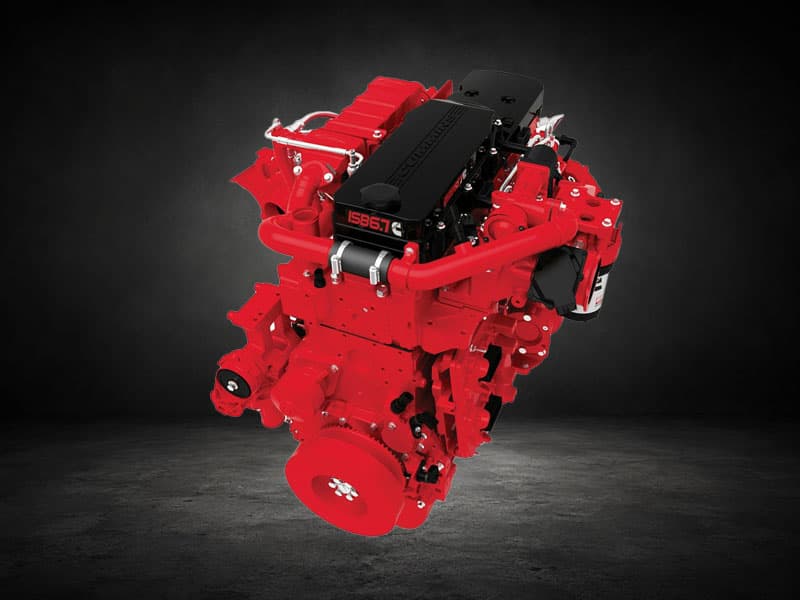
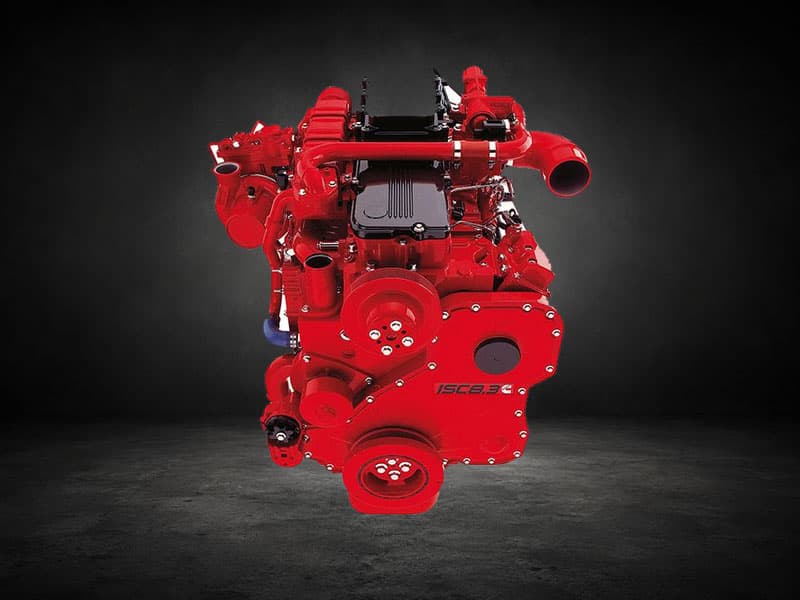
The Sterling M5500 was Sterling's Class 5/6 medium-duty cabover-engine truck — built from 2002 through Sterling's 2009 shutdown, serving the light-end medium-duty market where cabover architecture matched the urban operational priorities of the application. GVWR configurations approached the upper Class 5 to lower Class 6 boundary, with engine options spanning Mercedes-Benz MBE900 (the dominant Sterling-era medium-duty power option) and Cummins ISB 6.7 (post-2007 configurations). All M5500 trucks predate the EPA 2010 SCR/DEF era, meaning calibration scope on M5500 work covers DPF (on 2007+ builds) and EGR (across the production range) but never DEF.
The platform appeared across propane delivery operations (a natural fit for the Class 5/6 cabover architecture and urban route patterns), utility service applications, light construction support, and the broader range of light-end medium-duty cabover work. The fleet population is now 15+ years old, with operational service life extending well past original expectations for owners who've maintained the chassis properly and addressed accumulated calibration issues as they appeared.
Why M5500 Trucks Come To Our Bench
M5500 calibration work clusters around aging fleet operational reality with engine platform driving the specific scope:
Mercedes-Benz MBE900 calibration recovery. Standard MBE900 platform scope, intensified by the aging-fleet reality. MBE-series dealer support is thinning, and many MBE900 ECM issues now require independent calibration expertise rather than dealer service paths. Calibration recovery on bricked modules, calibration restoration after failed dealer flashes, and standalone MBE900 calibration work for aging M5500 fleet trucks all represent typical M5500 work scope.
Cummins ISB 6.7 DPF derate on 2007+ M5500 trucks. Standard EPA 2007 DPF pattern. M5500 trucks built 2007-2009 with ISB power face the DPF-era aftertreatment challenges. Propane delivery applications with sustained pump PTO duty, utility service applications with sustained idle, and similar light medium-duty operational patterns produce DPF accumulation patterns that fleet calibration doesn't handle gracefully.
EGR cooler degradation typical of the era. Standard EPA 2002+ EGR pattern. M5500 trucks with cooled EGR systems show predictable EGR cooler failure patterns across both MBE and Cummins platforms.
Propane delivery pump-PTO calibration adjustments. M5500 trucks in propane delivery service face the standard delivery-fleet aftertreatment challenges — sustained pump PTO duty at each delivery stop producing thermal patterns that the original calibration doesn't anticipate. Calibration work matched to propane delivery operational reality delivers operational improvements.
Aging fleet operational considerations. M5500 trucks now 15+ years old face accumulated calibration drift, sensor failures, accumulated wear on aftertreatment components. Calibration work that addresses the specific issues extends operational service life meaningfully.
Engine Platforms In The M5500
M5500 calibration work depends on engine platform. Mercedes-Benz MBE900-powered M5500s require MBE-specific diagnostic and calibration libraries we maintain across the broader MBE platform deployment. Cummins ISB 6.7-powered M5500s (2007+ builds) use Cummins INSITE diagnostic with ISB-specific calibration libraries.
For each M5500 customer, intake conversation centers on engine identification, application (propane delivery, utility service, light vocational), year (which determines DPF presence and emissions architecture), and operational priorities.
Service Paths For M5500 Programming
Ship-in is the most common path. Pull the ECM, ship to Fort Lauderdale, 2-3 day programming turnaround. Remote programming works for shops with appropriate diagnostic software access. On-site service is available for South Florida customers.
Quotes return same business day. Tell us the year, the engine (Mercedes-Benz MBE900 or Cummins ISB 6.7), the application, and current operational situation. For propane delivery and utility fleet customers running multiple M5500 trucks, multi-truck programming pricing applies.
The M5500 In Aging-Fleet Context
For M5500 fleet operators, the operational question is increasingly whether to keep the trucks in active service through accumulated calibration and maintenance work, or capital-replace them. Our experience with M5500 customers suggests the keep-them-running path remains financially and operationally attractive when underlying chassis hardware is sound, the operator has access to MBE and Cummins calibration expertise, and the operational profile fits the platform's capabilities. Calibration work that extends operational service life by 3-5 years typically delivers strong operational economics compared to capital replacement on Class 5/6 medium-duty.
For operators evaluating M5500 fleet inventory, we can scope calibration work that addresses current issues and anticipates predictable future issues, which lets the operator plan operational maintenance budget against realistic operational service life expectations.
M5500 Vs Acterra Platform Positioning
Sterling positioned the M5500 below the Acterra in the medium-duty range — Class 5/6 cabover architecture versus Class 5-7 conventional. For Sterling fleet operators choosing between platforms during the Sterling production era, the choice typically centered on application priorities (cabover for urban delivery, conventional for broader vocational work). For current Sterling operators evaluating fleet inventory, the engine platform calibration considerations are similar across both M5500 and Acterra — Mercedes-Benz MBE900 dominates older configurations with Cummins ISB 6.7 appearing on later builds, and the calibration approaches we apply benefit from the consistency of the underlying engine platforms.
Our calibration work draws on the broader Mercedes-Benz MBE900 and Cummins ISB 6.7 expertise we maintain across the full Sterling and competing medium-duty fleet population. The result for M5500 customers is consistent calibration expertise that addresses actual operational reality regardless of platform-specific quirks.