Freightliner Business Class (FL-Series) — Freightliner's foundational medium-duty platform
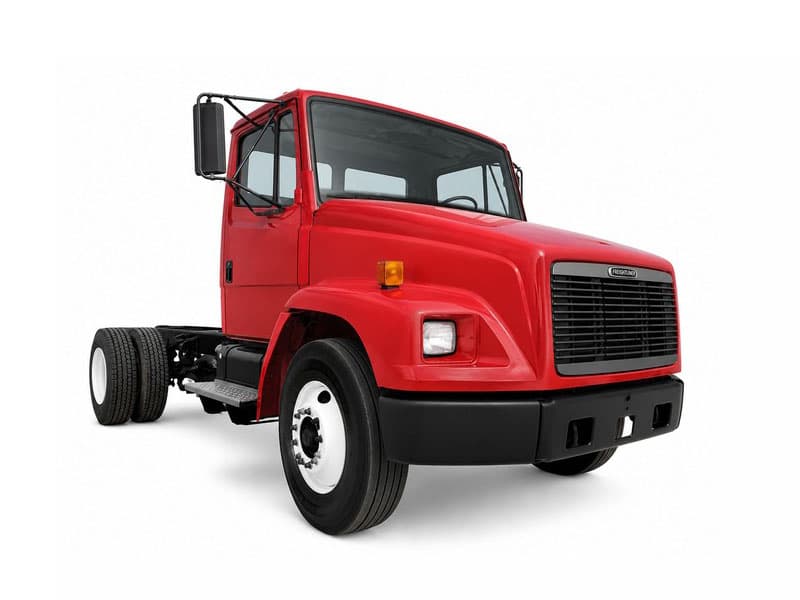
The Freightliner Business Class — also known by individual FL-series model designations (FL50, FL60, FL70, FL80, FL106, FL112) — was Freightliner's foundational medium-heavy duty conventional truck platform from 1991 through 2007, when the Acterra and subsequent M2 platforms succeeded it. The Business Class anchored Freightliner's medium-duty lineup for nearly two decades across diverse applications from light delivery (FL50/FL60) through medium-heavy vocational work (FL106/FL112). Thirty-plus years after the platform's launch and nearly two decades since production ended, Business Class trucks remain in surprising numbers of active fleet operations, particularly in utility, fire-and-EMS, propane delivery, and broader medium-duty applications where the platform's combination of chassis durability and rebuildable engine architecture has supported extended operational service life.
The platform serves utility service operations including bucket trucks and line trucks, fire and EMS apparatus across the FL-series range, propane and fuel delivery on lighter FL configurations, construction support and aggregate hauling on heavier FL112 configurations, school bus chassis (in certain configurations), and broader medium-heavy duty fleet work. The Business Class competed against medium-duty platforms from International (DuraStar predecessors), Mack (Mid-Liner), and the broader medium-duty market of its era. The platform's longevity in active fleet service reflects both build quality and the operational economics that favor extending service life on aging fleet inventory through accumulated calibration and maintenance work rather than capital replacement.
Why Business Class (FL-Series) Trucks Come To Our Bench
Business Class (FL-Series) calibration work tracks Freightliner's foundational medium-duty platform operational reality with MBE900 / Cummins ISB / ISC platform behavior:
Mercedes-Benz MBE platform calibration recovery. The defining Business Class (FL-Series) calibration challenge for MBE-equipped fleet population. MBE-series dealer support has thinned substantially since Daimler folded the MBE line into Detroit Diesel and replaced it with the DD-series. Calibration recovery on bricked modules, calibration restoration after failed dealer flashes, and standalone MBE calibration work for aging fleet inventory represent the largest single category of work scope.
MBE900 DPF derate. Standard pattern, expressed through the specific operational stress profile of utility, fire apparatus, propane delivery, and light construction support applications. On post-EPA-2007 configurations, DPF accumulation patterns produce derate at predictable mileage thresholds; pre-2007 builds skip this scope entirely since DPF was not yet required.
EGR cooler degradation. Standard EPA 2002+ pattern across both MBE and Cummins platforms. Coolant intrusion into intake, intermittent fault codes, eventual catastrophic failure if untreated.
Performance tuning and operational character improvements. Business Class (FL-Series) customers benefit from calibration work that delivers improved torque response, broader operating envelope at working RPM, and operational character matched to utility, fire apparatus, propane delivery, and light construction support reality.
Calibration recovery on aging ECMs. Standard recovery scope across the MBE900 platform.
MBE900 / Cummins ISB / ISC Calibration Approach On The Business Class (FL-Series)
Business Class (FL-Series) calibration work uses Cummins INSITE diagnostic alongside Mercedes-Benz MBE diagnostic for MBE-equipped configurations. The calibration libraries are Business Class (FL-Series) application-specific within the broader engine platform ecosystems — Freightliner's foundational medium-duty platform calibration approaches differ from other Freightliner platform calibrations because the operational reality differs meaningfully.
For each Business Class (FL-Series) customer, intake conversation centers on engine identification, application, year (critical given the wide production-era variations on legacy platforms), and operational priorities before scoping the work.
Service Paths For Business Class (FL-Series) Programming
Ship-in is the most common path. Pull the ECM, ship to Fort Lauderdale, 2-3 day programming turnaround. Remote programming works for shops with appropriate diagnostic software access. On-site service is available for South Florida fleet customers running Business Class (FL-Series) inventory.
Quotes return same business day. Tell us the year, the engine, the application, fleet size, and current operational situation. For fleet customers running multiple Business Class (FL-Series) trucks or mixed Freightliner inventory, multi-truck programming pricing applies.
The Business Class (FL-Series) In Freightliner Truck Family Context
The Business Class (FL-Series) draws on Freightliner's broader truck family architecture and the engine ecosystem shared across the Freightliner lineup. Our calibration work draws on the broader Freightliner platform expertise we maintain across Cascadia, Coronado, M2-106, M2-112, 122SD, 108SD Plus, 114SD Plus, Acterra, Business Class, and EconicSD applications, with calibration approaches consistent across the broader Freightliner truck family.
For fleet customers running mixed Freightliner inventory across highway tractor, vocational, and medium-duty applications, calibration approaches benefit from the consistency of our Freightliner platform expertise.
Multi-Era Engine Platform Considerations
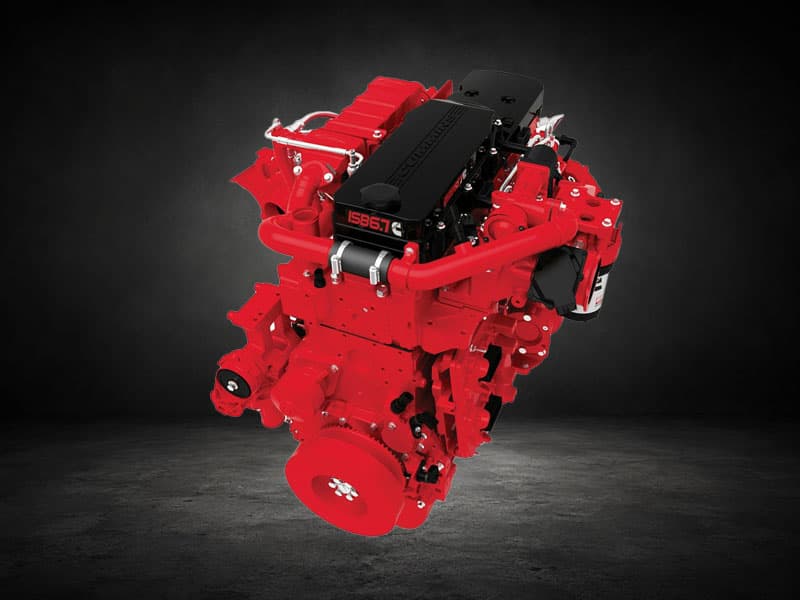
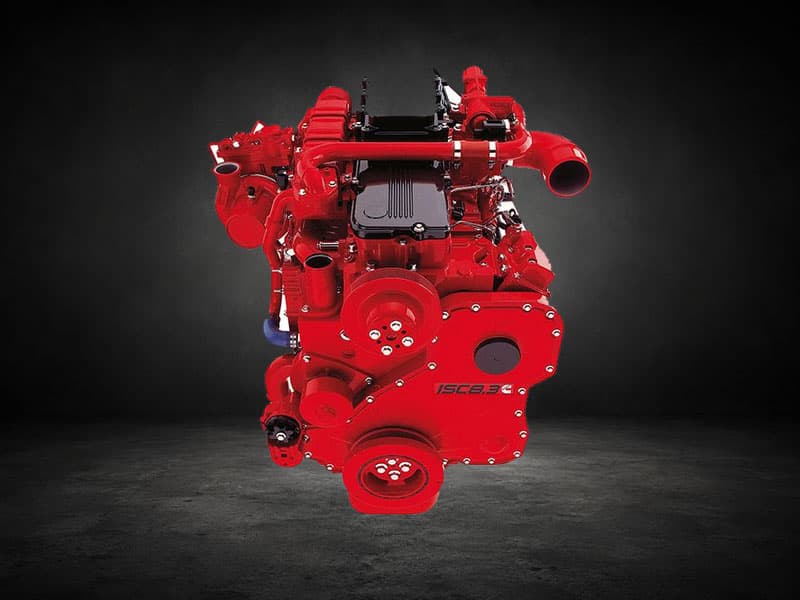
The Business Class production run spanned multiple emissions eras, with engine configurations evolving accordingly. Early Business Class trucks predate any modern emissions architecture. Mid-production (mid-1990s onward) introduced electronic engine management. Late-production (2002+) added EGR systems. Pre-EPA 2007 builds have no DPF. Across this multi-era span, the calibration scope on a Business Class truck depends heavily on the specific year and emissions configuration. Cummins ISB 6.7 and ISC 8.3 calibration work uses Cummins INSITE with vintage-specific calibration libraries. Mercedes-Benz MBE900 calibration work uses MBE-specific diagnostic and calibration libraries we maintain across the broader MBE platform deployment. Cat 3126 calibration work uses Cat ET with 3126-specific calibrations. For each Business Class customer, intake conversation centers on engine identification and year before scoping the work.