Mack MD-Series — Mack's newer medium-duty entry
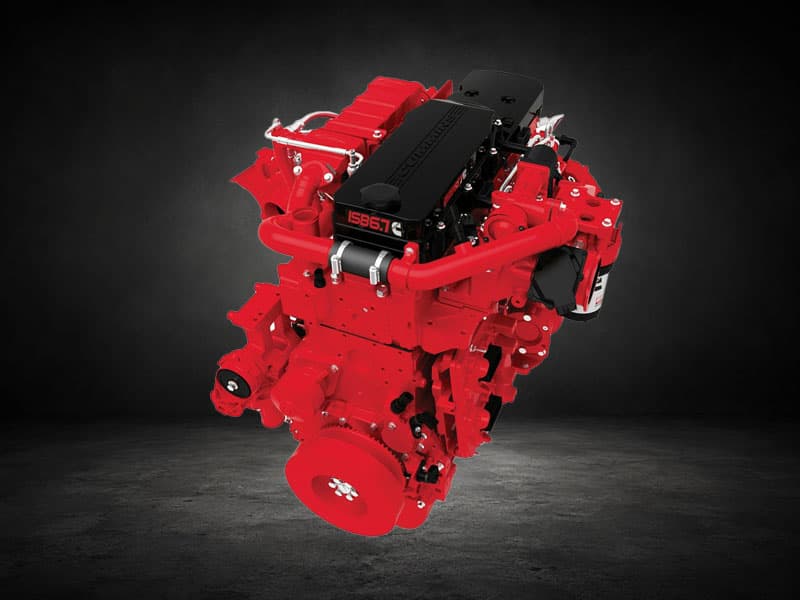
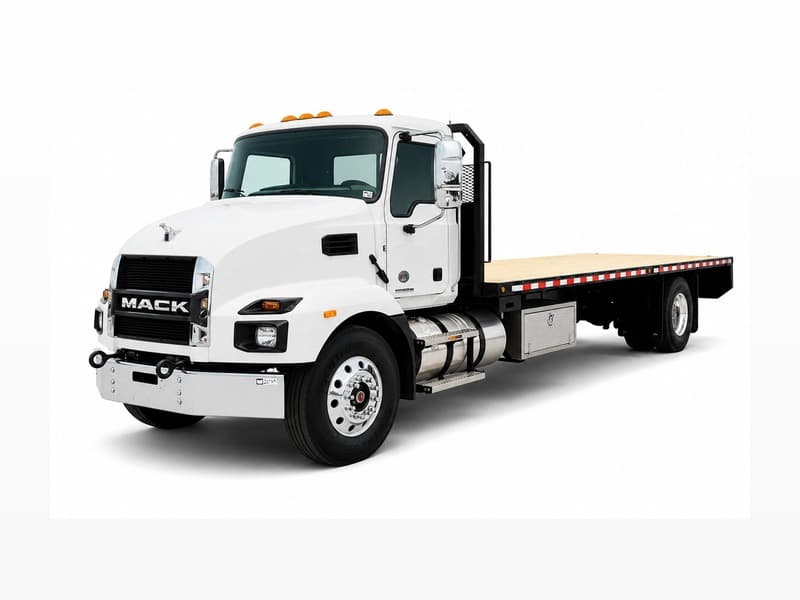
The Mack MD-Series is Mack Trucks' medium-duty Class 6/7 conventional truck lineup — launched in 2020 as Mack's entry into the medium-duty market segment that the brand had historically deferred to other manufacturers. The MD lineup spans Class 6 MD6 (lighter spec) and Class 7 MD7 configurations, with GVWR configurations matching the operational range from urban delivery applications through light vocational work. Engine options center on Cummins B6.7 — the modern Class 6/7 medium-duty standard, used by Mack rather than developing a Mack-specific medium-duty engine for the new platform.
The platform serves urban delivery, utility service, propane and fuel delivery, fire apparatus on the lighter end, light construction support, and broader Class 6/7 medium-duty conventional fleet work. The MD-Series competes in the Class 6/7 medium-duty conventional market against Kenworth T180/T280/T380, Peterbilt 535/536/537, Freightliner M2 106, International MV-series, and similar Class 6/7 conventional medium-duty platforms. For fleet operators choosing between platforms, the MD-Series brings Mack's brand presence and dealer network into medium-duty applications that previously required choosing a non-Mack platform.
Why MD-Series Trucks Come To Our Bench
MD-Series calibration work tracks Mack's newer medium-duty entry operational reality with Cummins B6.7 platform behavior across the production range:
Cummins B6.7 DPF derate. Standard Cummins B6.7 pattern, expressed through the specific operational stress profile of urban delivery, utility service, propane delivery, and light fire apparatus applications. DPF accumulation patterns produce derate clustering at predictable mileage thresholds depending on application severity.
DEF dosing failures on EPA 2010 builds. Standard post-2010 pattern. MD-Series trucks accumulating mileage show DEF dosing failures, NOx sensor drift, SCR catalyst efficiency drops, and inducement countdown patterns clustering at predictable mileage thresholds depending on application severity.
EGR cooler degradation. Standard pattern across the Cummins B6.7 platform. Coolant intrusion into intake, intermittent fault codes, eventual catastrophic failure if untreated. Predictable failure patterns clustering at predictable mileage in fleet service.
Performance tuning and operational character improvements. MD-Series customers benefit from calibration work that delivers improved torque response, broader operating envelope at working RPM, and operational character matched to urban delivery, utility service, propane delivery, and light fire apparatus reality. Stock fleet calibrations leave operational capability available for calibration work to unlock.
Calibration recovery on Cummins B6.7 ECMs. Standard recovery scope across the platform.
Cummins B6.7 Calibration Approach On The MD-Series
MD-Series calibration work uses Cummins INSITE diagnostic with B6.7 specific calibration libraries. The libraries are MD-Series application-specific within the broader B6.7 ecosystem — Mack's newer medium-duty entry calibration approaches differ from other Mack platform calibrations because the operational reality differs meaningfully.
For each MD-Series customer, intake conversation centers on engine identification, application, year, and operational priorities. The calibration approach depends meaningfully on actual duty cycle and operational priorities.
Service Paths For MD-Series Programming
Ship-in is the most common path. Pull the ECM, ship to Fort Lauderdale, 2-3 day programming turnaround. Remote programming works for shops with Cummins INSITE diagnostic access. On-site service is available for South Florida fleet customers running MD-Series inventory.
Quotes return same business day. Tell us the year, the engine, the application, fleet size, and current operational situation. For fleet customers running multiple MD-Series trucks, multi-truck programming pricing applies and scheduling coordinates around operational priorities.
The MD-Series In Mack Truck Family Context
The MD-Series draws on Mack's broader truck family architecture and the B6.7 engine ecosystem shared across Mack's lineup. Our calibration work draws on the broader Mack platform expertise we maintain across Anthem, Pinnacle, Pioneer, Granite, TerraPro, LR, and MD-Series applications, with calibration approaches consistent across the broader Mack truck family.
For fleet customers running mixed Mack inventory across highway, vocational, and medium-duty applications, calibration approaches benefit from the consistency of our Mack platform expertise. The result is consistent calibration outcomes across the mixed Mack fleet population.
Cummins B6.7 Calibration Approach
MD-Series calibration work uses Cummins INSITE diagnostic with B6.7 specific calibration libraries. The libraries account for medium-duty conventional applications within the broader Cummins B6.7 ecosystem — MD-Series calibration approaches benefit from the broader B6.7 application population work we maintain across Ford F-650/F-750, International MV-series, Kenworth T180, Peterbilt 535, and competing Class 6/7 medium-duty platforms running B6.7 power.
For each MD-Series customer, intake conversation centers on identifying specific application — urban delivery, utility service, propane delivery, light fire apparatus, light vocational — because the calibration approach depends meaningfully on actual duty cycle.
Newer-Platform And Cross-Application Considerations
The MD-Series' relatively recent 2020 launch means much of the fleet population is still early in operational service life. Calibration work on newer-platform trucks tends to focus on performance tuning, fleet calibration standardization, and emerging emissions issues rather than the high-mileage aftertreatment scope that older fleet inventory faces. As MD-Series fleet inventory accumulates mileage, calibration work scope will expand to cover the full B6.7 aftertreatment service interval range — DPF derate, DEF dosing failures, EGR cooler degradation — that all B6.7 medium-duty trucks eventually face. The broader Cummins B6.7 application population — Kenworth T180, Peterbilt 535, Ford F-650/F-750, International MV-series, Freightliner M2 106 — gives us substantial insight into the long-term operational reality MD-Series trucks will face as they age. For MD-Series fleet operators planning long-term calibration strategy, the cross-application B6.7 expertise we maintain across the broader Class 6/7 medium-duty platform population delivers consistent operational outcomes.