
ECM Performance — Diesel ECM Programming
PeterbiltMedium Duty

Peterbilt 220

  • Tired of fault codes & derate? Call us now.
  • Stuck in regen failures? We can stop it.
  • 2-3 days from ship-in to back on the road.
  • 10,000+ ECMs across 38 countries.
Peterbilt 220 diesel ECM tuning and programming image
Platform Details
Brand
Peterbilt
Category
Medium Duty
Model
220
Engine Platforms
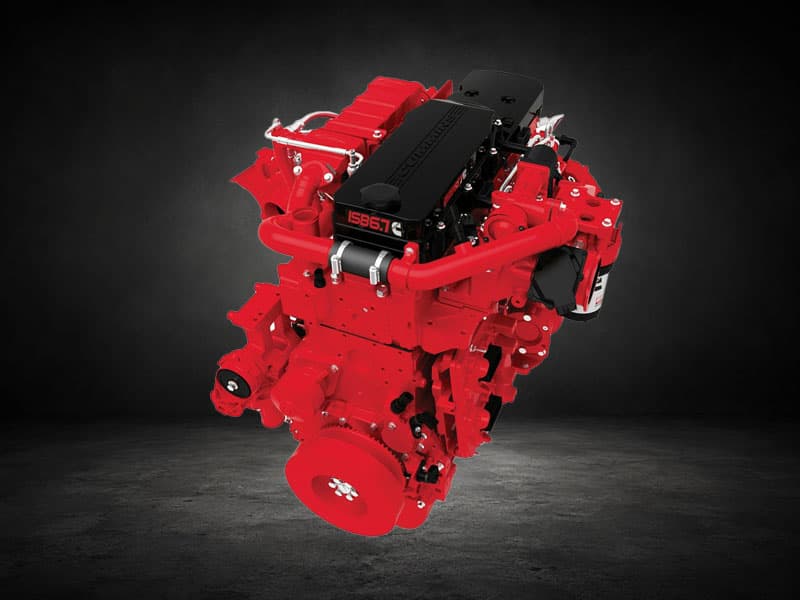
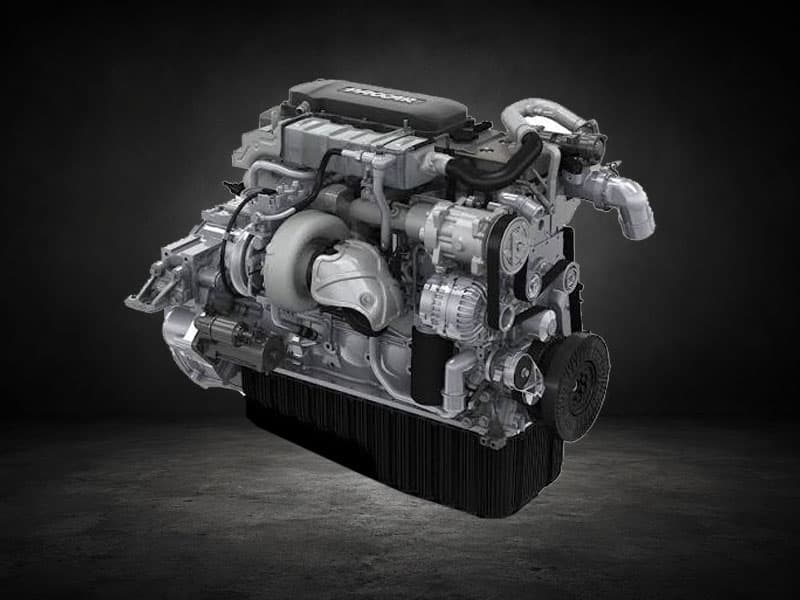
  • Paccar PX-7▸ Supported
  • Cummins B6.7▸ Supported
Programming Available

Custom ECM programming, DPF/EGR delete, performance tuning, and emissions recalibration available for all Peterbilt 220 engine platforms. Ship-in, remote, or on-site service in South Florida.

Peterbilt's Class 6 Urban Cabover

The Peterbilt 220 is Peterbilt's Class 6 cabover-engine medium-duty truck — the Paccar family's Peterbilt-badged sibling to the Kenworth K270, built on the same Paccar/DAF cabover platform that Paccar uses across its global commercial vehicle business. Designed for urban delivery applications where the short-front cabover configuration matters — tight maneuverability, better forward visibility for urban traffic conditions, easier curb access for delivery operations, and the broader operational advantages that cabover architecture brings to Class 6 work. GVWR sits at 26,000 pounds, which keeps the 220 inside the Class 6 envelope and below the CDL threshold in most operational configurations.

The platform appears across beverage delivery, dry van local distribution, propane and home-heating delivery, refrigerated route delivery, parcel and last-mile applications, and the broader range of Class 6 urban operations where cabover architecture justifies the platform choice over conventional medium-duty competitors. The Paccar PX-7 6.7-liter is the dominant power option, with Cummins B6.7 available on some fleet configurations.

Why 220 Trucks Come To Our Bench

220 calibration work is dominated by Paccar PX-7 platform issues compounded by the operational stress of urban Class 6 delivery duty cycles:

Paccar PX-7 DPF derate on urban delivery cycles. Standard PX-7 pattern, amplified by the short-cycle nature of urban delivery work. Routes with 30-50 stops per day, frequent cold starts, sustained low-speed operation, and minimal highway-cycle time produce DPF soot loading patterns that fleet calibration doesn't handle gracefully. Active regen cycles trigger constantly but rarely complete. Derate clusters in the 150,000-250,000 mile window in heavy urban service.

DEF dosing failures on Paccar PX-7 EPA 2010 builds. Standard post-2010 pattern. 220 trucks with PX-7 power show DEF dosing failures clustering past 200,000-300,000 miles in urban fleet service. Cold-weather operation during winter delivery cycles accelerates the timeline in northern fleet operations.

EGR cooler degradation typical of Paccar PX-7. Standard Paccar PX-7 platform pattern, expressed earlier on 220 trucks in heavy urban delivery service due to the operational stress profile. Coolant intrusion into intake, intermittent fault codes clustering on 220 fleet trucks past 200,000-350,000 miles.

Pump-PTO operational stress. 220 trucks in propane and fuel delivery applications run sustained pump PTO duty at each delivery stop. The thermal pattern produced by pumping operation differs from highway-cycle operation, and aftertreatment systems show predictable failure patterns from sustained PTO duty cycle stress.

Calibration recovery on aging PX-7 ECMs. PX-7 modules occasionally end up corrupted after failed Paccar dealer flashes or partial calibration loads attempted by independent shops. We recover most modules without replacement.

Paccar PX-7 Calibration Approach On The 220

220 calibration work uses Paccar Davie diagnostic software with PX-7 specific calibration libraries. The libraries are 220 application-specific within the broader PX-7 ecosystem — Class 6 cabover urban delivery applications require different calibration approaches than the broader PX-7 application population.

For each 220 customer, intake conversation centers on identifying specific application — beverage delivery, propane delivery, dry van distribution, parcel and last-mile — because the calibration approach depends meaningfully on actual duty cycle.

Service Paths For 220 Programming

Ship-in is the most common path. Pull the PX-7 ECM, ship to Fort Lauderdale, 2-3 day programming turnaround. Remote programming works for shops with Paccar Davie diagnostic access. On-site service is available for South Florida fleet customers running 220 inventory.

Quotes return same business day. Tell us the year, the engine (Paccar PX-7 or Cummins B6.7), the specific application, fleet size, and current operational situation. For Class 6 urban delivery fleet customers, multi-truck programming pricing applies and scheduling typically coordinates with off-season or shoulder-season windows where seasonal demand allows.

The 220 In Urban Delivery Context

The 220 sits at a specific point in the Class 6 cabover market — premium Peterbilt-quality construction in an application segment dominated by other manufacturers' cabover offerings. For operators who value Peterbilt's build quality and dealer network for Class 6 cabover delivery applications, the 220 is the natural platform choice. Our calibration work draws on the broader Paccar PX-7 platform knowledge we maintain across 220, K270, T180, and related applications, applied specifically to the 220's Class 6 urban delivery operational reality.

For fleet operators running mixed Class 6 inventory (220 alongside competing manufacturer cabovers), calibration work helps standardize operational reliability across the mixed fleet population, with 220-specific calibration approaches drawing on the same Paccar PX-7 expertise we apply across the broader Paccar truck family.

Cabover-Specific Operational Considerations

The 220's cabover architecture affects some operational details that matter for calibration approach. ECM access typically requires cab-tilt for service, which adds time to ship-in pull-and-reinstall work but doesn't change the calibration work itself. Cooling system architecture in cabover configurations differs from conventional cab medium-duty trucks, and thermal management considerations factor into calibration approach particularly for sustained urban duty cycles where ambient temperatures and stop-and-go traffic interact with cooling system capacity. For fleet shops handling 220 ECM removal and reinstallation, we provide guidance on cab-tilt procedures and ECM access for technicians who are more familiar with conventional cab Class 6 trucks.
⏵ Truck down? Fleet stalled?

Peterbilt 220 — Get Your Truck Programmed

Tell us your year, engine platform, and current fault codes. Same-day quotes. Ship-in, remote, or on-site programming available.

Customer Stories

Peterbilt 220 Outcomes

2014 Peterbilt 579
Paccar MX-13

Got the ECM back in a week — including shipping from South Africa to the US and back. 100,000 km later, still running strong.

The Problem

Brand-new 579 with MX-13 power for coast-to-coast South African long-haul. Ongoing derates, check-engine lights, and total shutdowns. Dealer and local service offered only temporary, expensive 'solutions' that didn't hold.

Outcome

Shipped the ECM to Florida from South Africa. Programmed and returned within a week including both-way international shipping. 100,000 km of trouble-free operation since.

Pete Z.
Long-haul trucker — South Africa
Peterbilt 340, Kenworth T300, Sterling Acterra
Cummins 8.3 ISC / Paccar PX-8

After dealer-replacing turbos, EGRs, DPF filters and DOCs without fixing the problem, ECM Performance gave us a real solution. Wish I'd known about them four years earlier.

The Problem

Of 40 vehicles in the construction waste fleet, the 2007–2009 DPF-equipped trucks were the only ones with problems. Constant regen, power de-rate, recurring check-engine codes. Dealer-replaced turbos, EGRs, DPF filters, and DOCs across multiple trucks without resolving the underlying issue. Money pit.

Outcome

Started with one ECM as a test — back in two days, truck now runs better than the day it was bought. Sent the remaining fleet ECMs one at a time. All reprogrammed trucks are back on the jobsite producing revenue.

Chuck Z.
Construction waste service — 40-truck fleet
Nine Peterbilt 340s
Paccar PX-8

Six weeks, no more problems on the reprogrammed trucks. Sending the rest of the ECMs in one at a time.

The Problem

Nine Peterbilt 340 concrete mixers constantly in regen and breaking down. Trucks shut down in PTO, couldn't idle, and went into limp mode mid-pour. Forced to dump full loads of cement when trucks failed in transit. Dealer service couldn't resolve the recurring pattern.

Outcome

Started with two ECMs — back in two days. Six weeks later, zero recurrences. Working through the rest of the fleet one at a time.

Earl O.
Ready-mix concrete delivery — nine-truck fleet
Freightliner M2 fleet
Cummins ISB / ISC

Freightliner and Cummins couldn't fix our cold-weather DPF problem. ECM Performance did.

The Problem

Fleet of Freightliner M2s with DPF were shutting down on the open road in sub-zero weather. Dealer said nothing was wrong. Routinely towing our own trucks during the plow window — when the money is made.

Outcome

Shipped one ECM via FedEx, back in 48 hours. Two weeks of flawless operation. Now sending the rest of the fleet ECMs in sequence.

Steve R.
Emergency service and plowing — local municipalities
Peterbilt 340 dump truck
Paccar PX-8

Customer service, turnaround, and results — all great. Tell your customers not to be afraid of ECM programming.

The Problem

Truck sitting idle through Minnesota winters because the DPF system couldn't handle cold-weather vocational duty. Started with one ECM in November 2012; came back to a working truck for the first time in years.

Outcome

Second ECM programmed in two days — sent Wednesday, back Friday morning. First winter ever the fleet ran without DPF-related problems.

Mark T.
Gravel company — Minnesota
2007 Peterbilt 335 feed truck
Cummins ISB 6.7L / Paccar PX-6

My advice to anyone reading this: the sooner you do this, the better off you'll be.

The Problem

Limping, constant regen, repeated shutdowns. Couldn't feed the herd without fighting the truck. Followed customer testimonials from the ECM Performance email updates for eight months before finally sending in the ECM.

Outcome

Got the ECM back in two days, reinstalled, removed the DPF. Truck works great. PTO for the feeder works without a hitch.

Ted
Cattle farmer
2009 Allianz Johnston 4000 sweeper, 2008 Freightliner refuse truck
Cummins ISC / ISB

Best money we ever invested in a vehicle repair. My boss thinks I'm a hero for solving this.

The Problem

Low-speed sweeper and refuse duty cycle fought the aftertreatment calibration. Constant regen and limp mode. Manufacturer, dealer, and Cummins service all said 'nothing is wrong' — the trucks just couldn't operate at 40 mph to sweep streets or pick up trash.

Outcome

Both ECMs reprogrammed. Back to full-time operation, no outside contractor needed.

Municipal sweeper / refuse department
Local municipality
Peterbilt 330 — 120K miles
Cummins ISC / Paccar PX-8

In two days, ECM Performance did what the dealer couldn't do in two weeks or two years.

The Problem

Recurring engine problems even after the dealer kept the truck for two weeks at a $3,500 cost. Truck ran for three days, then started flashing engine problems again. Barely running by week's end.

Outcome

Overnighted ECM. ECM Performance did in two days what the dealer couldn't do in two weeks — or two years.

Jose M.
Waste removal
Ford F-650 flatbed
Cummins ISB 6.7

Truck now gets 14 MPG. It used to get 8-9 mpg. The reprogramming pays for itself in fuel savings.

The Problem

Constant slow-speed and idle operation prevented DPF from completing regen. Truck shut down unexpectedly and had to be towed to the dealer with no permanent fix.

Outcome

ECM programmed, returned in two days. No more problems. Fuel economy went from 8-9 mpg to 14 mpg — the reprogramming pays for itself in fuel savings.

Rudy E.
Farmer
Peterbilt 335 box truck — 80,000 miles
Paccar PX-8

You can't remove the DPF without reprogramming the truck's ECM. Big thanks to Jim and the fellas at ECM Performance.

The Problem

Constant limp mode from dirty DPF. Removed the DPF first without reprogramming the ECM — truck ran great briefly, then stopped running flat. Cummins dealer pointed to ECM Performance for the calibration work.

Outcome

ECM back in a few days. Plugged back in, truck fired right up and runs great.

Rudy J.
Dairy farmer
2008 Ford F-650 dump truck
Cummins ISB 6.7

Very happy with the programming, turnaround time, and support. Would definitely recommend.

The Problem

DPF problems across F-450 and F-550 fleet drove the decision to proactively program the low-mileage F-650 before issues arose. Removed DPF ceramics, reattached empty canister.

Outcome

Overnighted ECM, took 20 minutes to remove and reinstall. One missed connector caused a check engine light; ECM Performance support diagnosed it via blink-code pattern. Power and torque increase noticeable.

Steve K.
Landscaper
New 2011 Ford F-650 — 10,000 miles
Cummins ISB 6.7

Truck now runs without any code or limp mode for the first time since we bought it.

The Problem

Six months in: urea line contamination, exhaust sensors, DPF filter replacement. Truck spent half its life at Ford and Cummins dealers without improvement. Truck drove fine home, then went back into limp mode within days. Threatening the municipal service contract.

Outcome

ECM reprogrammed, DPF replaced with straight pipe. Truck now runs without any code or limp mode for the first time since purchase.

Bill E.
Municipal vehicle recovery contract
2008 Peterbilt 335 roll-off — 140,000 miles
Cummins ISC 8.3

Better than a brand new truck. After dozens of dealer visits over 140,000 miles, ECM Performance solved it in three days.

The Problem

Constant idle and slow-speed operation on construction sites. Replaced turbo, VGT actuator, two DPF filters across dozens of dealer visits over 140,000 miles. Shutdown, reduced power, never running properly.

Outcome

ECM shipped, returned in three days. Truck now runs better than the day it was bought — better than brand new.

Jessie C.
Construction sites
Four 2009 Peterbilt 335 propane tank trucks
Paccar PX-8

Four trucks on the road all winter long earning money instead of costing us hard dollars out of pocket.

The Problem

$25,000+ in uncovered repair bills and towing charges across four trucks, all DPF-related. Only ran right on the 40-mile drive back from the Cummins dealer. Ready to sell the fleet at a loss.

Outcome

ECMs reprogrammed. All four trucks ran an entire winter on the road earning money instead of costing money.

Scott P.
Propane delivery
2009 Peterbilt 386 — 50,000 miles
Caterpillar C15

I wish we'd known about you guys a year ago. I would have saved a lot of money and had a running truck.

The Problem

DPF wouldn't clean, recurring stop-engine and check-engine lights, de-rates, limp modes, and shutdowns — at only 50,000 miles. Dealer mechanic referred us to ECM Performance.

Outcome

Reprogrammed ECM installed three days after ordering. No more problems.

Hector P.
Agriculture / Farming — Mexico City, Mexico
Three new 2012 Ford F-750s
Cummins ISB 6.7

End user removed the DPF and is now very happy with these latest trucks. Sending three more ECMs from last year's delivery your way.

The Problem

Previous-year 2011 F-750 export trucks had ongoing shutdowns, red stop-engine lights, and check-engine lights once in service overseas. Local service identified high-sulfur diesel fuel as incompatible with the DPF aftertreatment.

Outcome

Transported the three 2012 trucks directly to ECM Performance before port shipment. Programmed same day. End user removed DPF and urea injection — happy with results. Sending three more ECMs from prior-year fleet for retrofit.

Carlos V.
Import / Export — trucks destined for South America
Three Peterbilt 337 mine service trucks — under 100 service hours each
Paccar PX-8

Trucks run with no problem, no engine codes, and the PTO mode runs great. Professional and quick service.

The Problem

Brand-new mine service trucks wouldn't run on local Congolese diesel fuel. DPF aftertreatment incompatible with available fuel quality. DEF fluid not easy to source in the Congo. Removing the DPF without reprogramming wouldn't let the trucks start.

Outcome

ECMs overnighted from Congo to Florida and back in a week. Mechanic reinstalled, removed DPF DOC and SCR internal elements. Trucks run with no problems and no engine codes; PTO mode runs great.

Randy M.
Mining company — Republic of Congo
2008 Ford F-650 fire truck — 1,000+ service hours
Cummins ISB 6.7

6,000+ hours of smooth idling and no problems. God bless you guys.

The Problem

Two turbos replaced and the DPF filter cracked — truck no longer running. Manufacturer recommended international overnight shipment of the ECM to ECM Performance.

Outcome

One week turnaround for international shipment. Pulled DPF, replaced with straight pipe, plugged in reprogrammed ECM. Truck fired right up. 6,000+ hours of smooth-idling, problem-free operation since. Sending four more ECMs.

Corey D.
Fire service — Dalian, China
⏵ Truck down? Fleet stalled?

Get Your Peterbilt Back On Revenue Routes

Same-day quotes. 2–3 day ship-in turnaround. Remote programming worldwide. Fleet and dealer pricing available.

CallQuoteTicket