Kenworth's Class 6 Urban Cabover
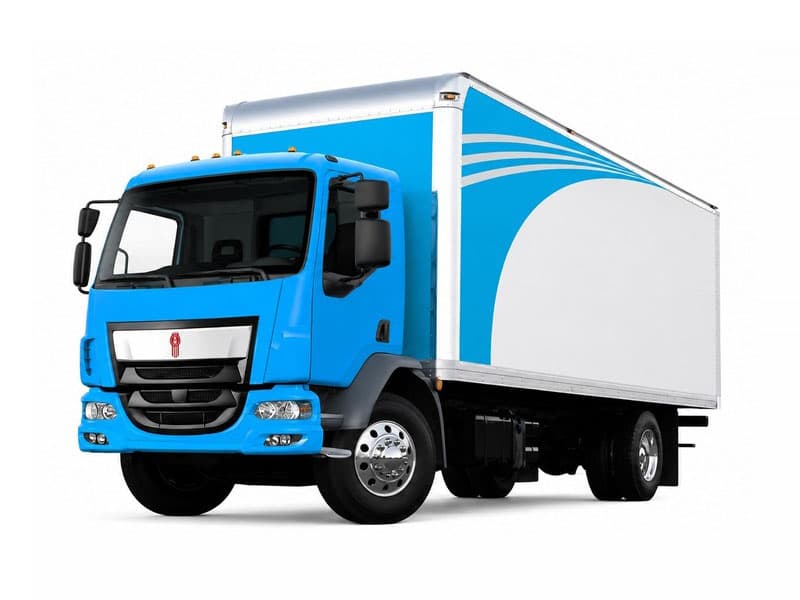
The Kenworth K270 is the Class 6 cabover-engine medium-duty truck built on the Paccar/DAF cabover platform that Paccar uses across its global commercial vehicle business. Designed for urban delivery applications where the short-front cabover configuration matters — tight maneuverability, better forward visibility for urban traffic conditions, easier curb access for delivery operations, and the broader operational advantages that cabover architecture brings to Class 6 work. GVWR sits at 26,000 pounds, which keeps the K270 inside the Class 6 envelope and below the CDL threshold in most operational configurations.
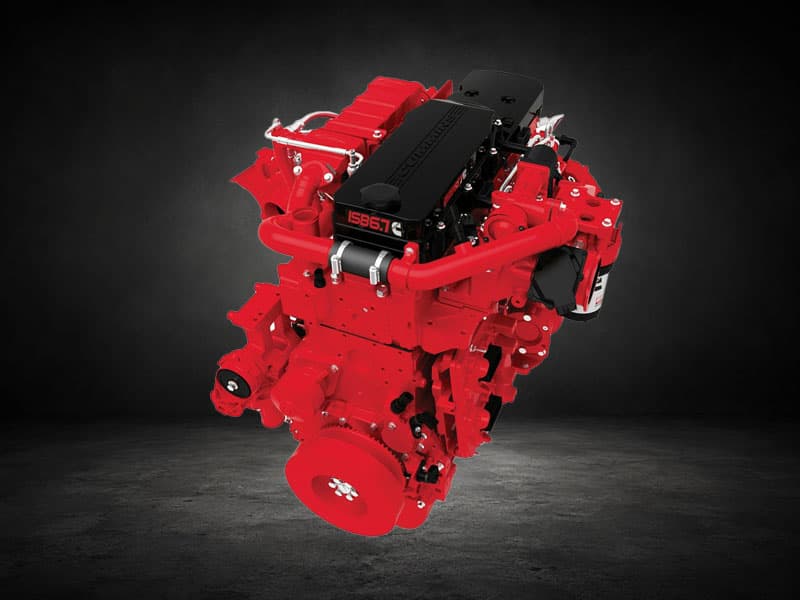
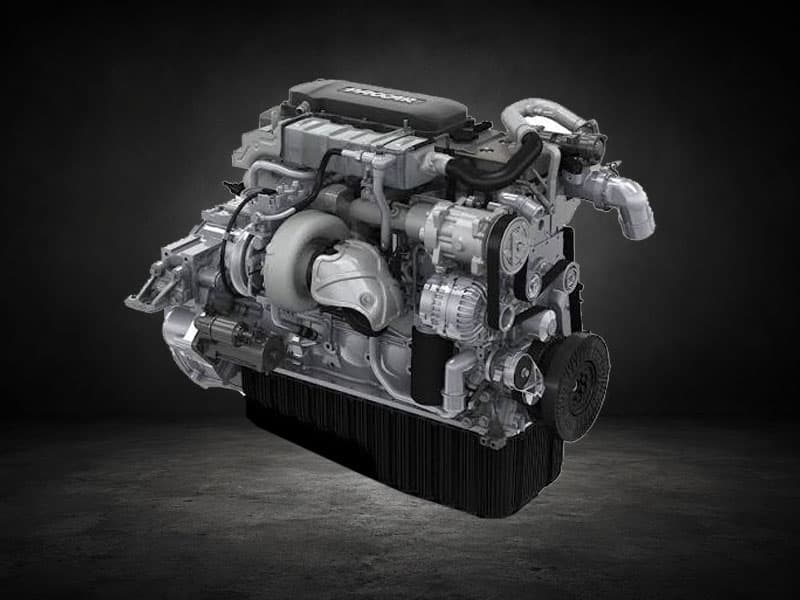
The platform appears across beverage delivery, dry van local distribution, propane and home-heating delivery, refrigerated route delivery, parcel and last-mile applications, and the broader range of Class 6 urban operations where cabover architecture justifies the platform choice over conventional medium-duty competitors. The Paccar PX-7 6.7-liter is the dominant power option, with Cummins B6.7 available on some fleet configurations.
Why K270 Trucks Come To Our Bench
K270 calibration work is dominated by Paccar PX-7 platform issues compounded by the operational stress of urban Class 6 delivery duty cycles:
Paccar PX-7 DPF derate on urban delivery cycles. Standard PX-7 pattern, amplified by the short-cycle nature of urban delivery work. Routes with 30-50 stops per day, frequent cold starts, sustained low-speed operation, and minimal highway-cycle time produce DPF soot loading patterns that fleet calibration doesn't handle gracefully. Active regen cycles trigger constantly but rarely complete. Derate clusters in the 150,000-250,000 mile window in heavy urban service.
DEF dosing failures on Paccar PX-7 EPA 2010 builds. Standard post-2010 pattern. K270 trucks with PX-7 power show DEF dosing failures clustering past 200,000-300,000 miles in urban fleet service. Cold-weather operation during winter delivery cycles accelerates the timeline in northern fleet operations.
EGR cooler degradation typical of Paccar PX-7. Standard Paccar PX-7 platform pattern, expressed earlier on K270 trucks in heavy urban delivery service due to the operational stress profile. Coolant intrusion into intake, intermittent fault codes clustering on K270 fleet trucks past 200,000-350,000 miles.
Pump-PTO operational stress. K270 trucks in propane and fuel delivery applications run sustained pump PTO duty at each delivery stop. The thermal pattern produced by pumping operation differs from highway-cycle operation, and aftertreatment systems show predictable failure patterns from the sustained PTO duty cycle stress.
Calibration recovery on aging PX-7 ECMs. PX-7 modules occasionally end up corrupted after failed Paccar dealer flashes or partial calibration loads attempted by independent shops. We recover most modules without replacement.
Paccar PX-7 Calibration Approach On The K270
K270 calibration work uses Paccar's diagnostic ecosystem — Davie (Paccar's diagnostic software) for diagnostic access, with PX-7 specific calibration libraries for programming work. The calibration libraries are K270 application-specific within the broader PX-7 ecosystem — Class 6 cabover urban delivery applications require different calibration approaches than the broader PX-7 application population.
For each K270 customer, the intake conversation centers on identifying the specific application — beverage delivery, propane delivery, dry van distribution, parcel and last-mile — because the calibration approach depends meaningfully on the actual duty cycle.
Service Paths For K270 Programming
Ship-in is the most common path. Pull the PX-7 ECM, ship to Fort Lauderdale, 2-3 day programming turnaround. Remote programming works for shops with Paccar Davie diagnostic access. On-site service is available for South Florida fleet customers running K270 inventory.
Quotes return same business day. Tell us the year, the engine (Paccar PX-7 or Cummins B6.7), the specific application, fleet size, and current operational situation. For Class 6 urban delivery fleet customers, multi-truck programming pricing applies and scheduling typically coordinates with off-season or shoulder-season windows where seasonal demand allows.
The K270 In Urban Delivery Context
The K270 sits at a specific point in the Class 6 cabover market — premium Paccar-quality construction in an application segment dominated by other manufacturers' cabover offerings. For operators who value Kenworth's build quality and dealer network for Class 6 cabover delivery applications, the K270 is the natural platform choice. Our calibration work draws on the broader Paccar PX-7 platform knowledge we maintain across K270, K370, and related applications, applied specifically to the K270's Class 6 urban delivery operational reality.
For fleet operators running mixed Class 6 inventory (K270 alongside competing manufacturer cabovers), calibration work helps standardize operational reliability across the mixed fleet population, with K270-specific calibration approaches drawing on the same Paccar PX-7 expertise we apply across the broader Paccar truck family.
Cabover-Specific Operational Considerations
The K270's cabover architecture affects some operational details that matter for calibration approach. ECM access typically requires cab-tilt for service, which adds time to ship-in pull-and-reinstall work but doesn't change the calibration work itself. Cooling system architecture in cabover configurations differs from conventional cab medium-duty trucks, and thermal management considerations factor into calibration approach particularly for sustained urban duty cycles where ambient temperatures and stop-and-go traffic interact with cooling system capacity.
For fleet shops handling K270 ECM removal and reinstallation, we provide guidance on cab-tilt procedures and ECM access for technicians who are more familiar with conventional cab Class 6 trucks. The work itself is straightforward; familiarity with the cabover platform speeds the ECM-handling portion of the service.