Peterbilt's Heavy-Spec Class 7 Vocational
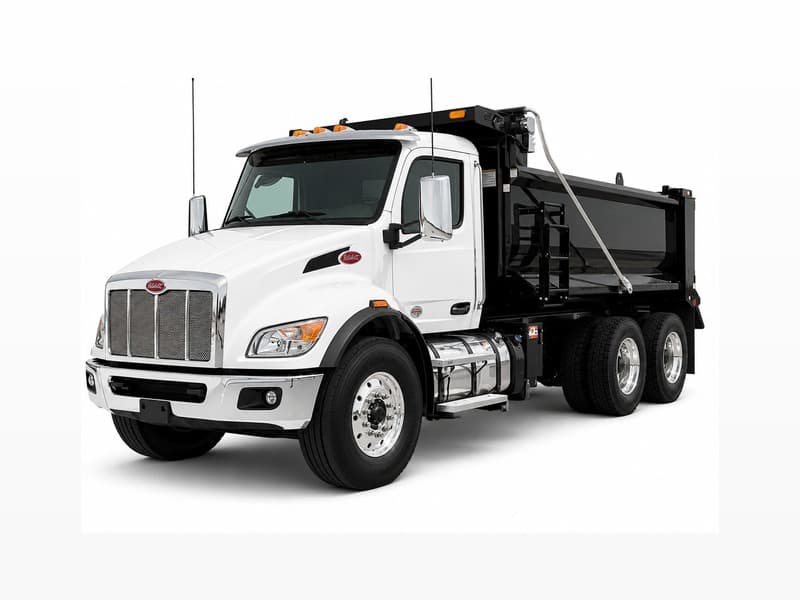
The Peterbilt 548 is the heavy-spec Class 7 conventional medium-duty truck in Peterbilt's new-generation lineup — the heaviest single-axle conventional medium-duty offering in the Peterbilt range, designed for severe-duty Class 7 applications that demand the strongest chassis specification short of moving into Class 8 vocational territory. GVWR configurations approach the upper Class 7 limit, and chassis hardware spec accommodates demanding vocational operational profiles where the lighter 537 platform isn't enough truck and a Class 8 vocational chassis (Peterbilt 567) is more truck than the application requires.
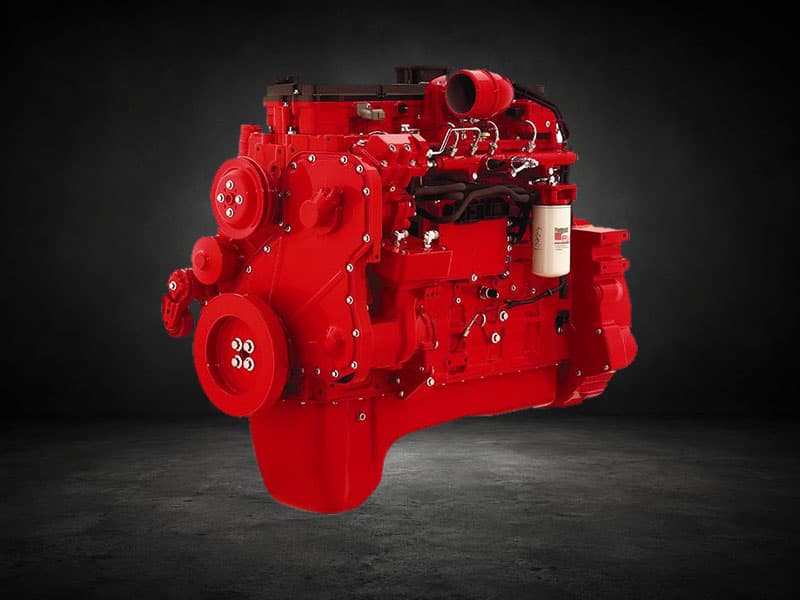
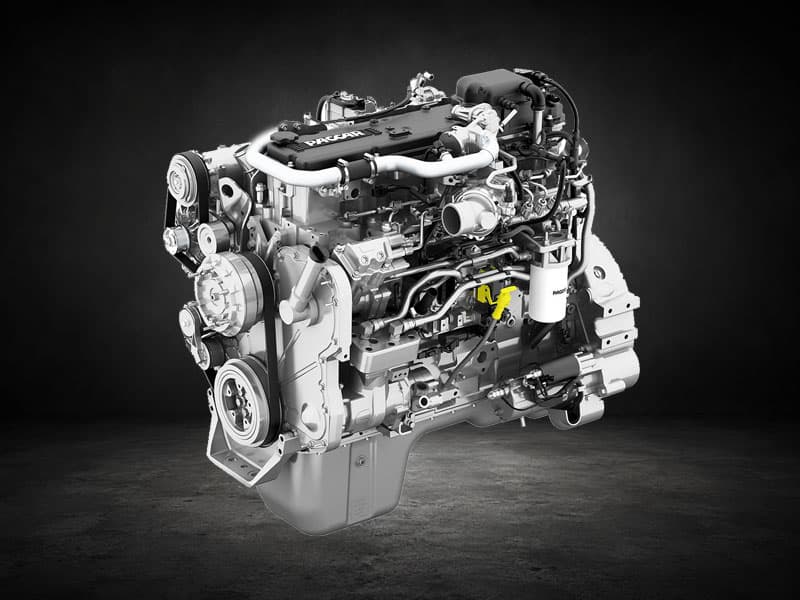
The platform appears across construction and aggregate hauling on the lighter end of the Class 8 transition envelope, severe-duty utility service applications, snow plow and municipal winter service operations, demanding refuse and recycling work, ready-mix concrete delivery applications requiring heavier spec, and the broader range of Class 7 vocational operations where chassis demands push toward Class 8 specifications. Paccar PX-9 8.9-liter is the dominant power option; Cummins ISL 9 is available on some fleet configurations.
Why 548 Trucks Come To Our Bench
548 calibration work tracks heavy-spec Class 7 vocational operational reality with Paccar PX-9 platform behavior under demanding duty cycles:
Heavy vocational PX-9 DPF derate. Standard PX-9 pattern, amplified by the severe-duty operational stress that 548 chassis are typically deployed into. Construction haul operations, snow plow winter service, severe-duty utility work, and demanding refuse applications all produce DPF accumulation patterns that arrive earlier than lighter-duty Class 7 service would predict. Derate clusters at lower mileage thresholds in the heaviest 548 applications.
DEF dosing failures intensified by severe-duty operation. Standard post-2010 pattern. 548 trucks in the heaviest applications show DEF dosing failures accelerating compared to lighter-duty Class 7 service. The operational stress of severe-duty vocational service produces aftertreatment failure clustering at earlier mileage and hour accumulation than fleet calibration anticipates.
EGR cooler degradation on severe-duty service. Standard Paccar PX-9 pattern, accelerated by severe-duty operational stress. 548 trucks in construction and severe-duty applications show coolant intrusion and EGR cooler failure patterns by 250,000-400,000 miles depending on application severity — earlier than the broader PX-9 application population.
Snow plow winter service operational stress. 548 trucks deployed for municipal snow plow operations face the standard winter service aftertreatment challenges. Brief but intense duty cycles, cold-weather operation, salt and brine corrosion exposure, off-season storage stress — all producing predictable failure patterns. Calibration work matched to winter service operational reality addresses the recurring issues directly.
Performance tuning for vocational duty. 548 vocational fleet customers benefit from calibration work that delivers improved torque response under heavy load, broader operating envelope at working RPM, and overall operational character matched to severe-duty vocational reality. Stock fleet calibrations leave operational capability available for demanding 548 applications.
Calibration recovery on PX-9 ECMs. Standard PX-9 calibration recovery scope.
Paccar PX-9 Calibration Approach On The 548
548 calibration work uses Paccar Davie diagnostic software with PX-9 specific calibration libraries. The libraries account for severe-duty Class 7 vocational applications within the broader PX-9 ecosystem — 548 calibration approaches differ from lighter-duty 537 or K370 calibrations because the operational reality differs meaningfully.
For each 548 customer, intake conversation centers on identifying specific application — construction hauling, snow plow winter service, severe-duty utility, demanding refuse, ready-mix concrete heavy-spec — because the calibration approach depends meaningfully on actual duty cycle.
Service Paths For 548 Programming
Ship-in is the most common path. Pull the PX-9 ECM, ship to Fort Lauderdale, 2-3 day programming turnaround. Remote programming works for shops with Paccar Davie diagnostic access. On-site service is available for South Florida fleet customers running 548 inventory.
Quotes return same business day. Tell us the year, the engine (Paccar PX-9 or Cummins ISL), the specific severe-duty application, fleet size, and current operational situation. For municipal, construction, and vocational fleet customers running 548 inventory, multi-truck programming pricing applies and scheduling typically coordinates with off-season or shoulder-season operational windows.
The 548 At The Class 7/8 Boundary
The 548 sits at the operational boundary where Class 7 vocational chassis transitions toward Class 8 vocational territory. For fleet operators choosing between 548 (Class 7 heavy-spec) and 567 (Class 8 vocational) for specific applications, the choice depends on operational specifics — load profile, chassis hardware requirements, engine power needs. 548 calibration work draws on the broader Paccar PX-9 platform expertise we maintain across 537, 548, Kenworth T380, T480, T370, K370, and other PX-9 applications, with severe-duty calibration approaches matching the 548's actual operational deployment.
For fleet customers running mixed 548 and Class 8 vocational inventory (567 with PX-9 or larger engines), calibration approaches account for the operational and engineering differences between platforms while drawing on consistent Paccar expertise.
Construction And Aggregate Application Considerations
548 trucks deployed into construction and aggregate hauling applications face operational stress that fleet calibration anticipates only partially. Heavy gross weights at the upper Class 7 limit, off-road operation on construction sites, sustained load operation on grades, and the broader operational reality of severe-duty construction work all produce aftertreatment stress patterns that justify calibration approaches matched to the actual application. For construction fleet customers, the calibration conversation typically centers on operational reliability and load-handling capability under demanding site conditions.