The Owner-Operator Icon
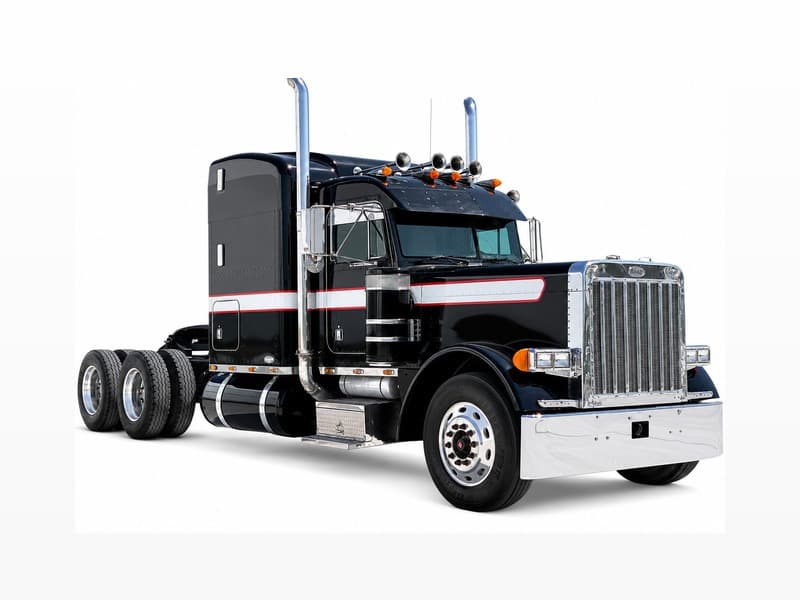
The Peterbilt 379 is the truck that defined owner-operator trucking in North America. Produced from 1987 to 2007 — twenty years of continuous production with relatively limited mechanical changes across most of that span — the 379 became the dominant choice for owner-operators who valued long-hood styling, traditional chassis architecture, and the ability to accommodate the largest engines available. By the end of its production run, the 379 had built a cultural presence in the trucking community that extended far beyond its actual sales numbers.
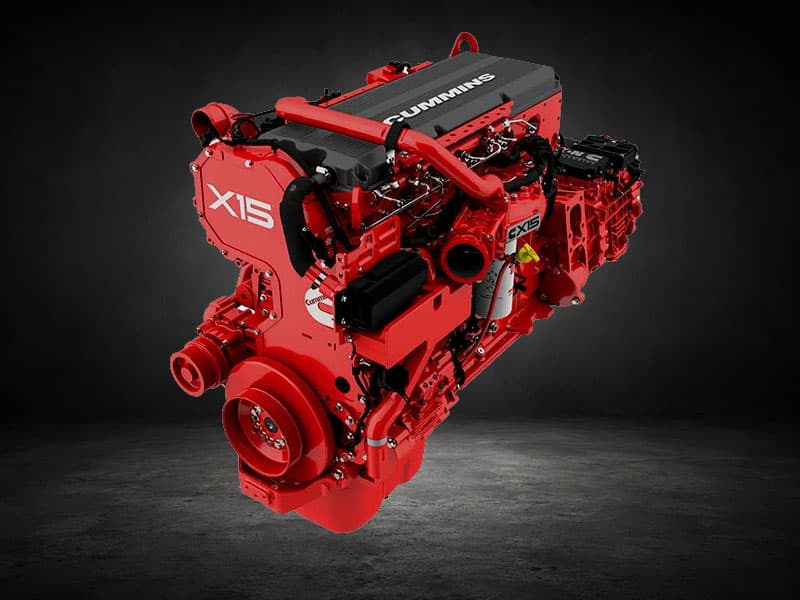
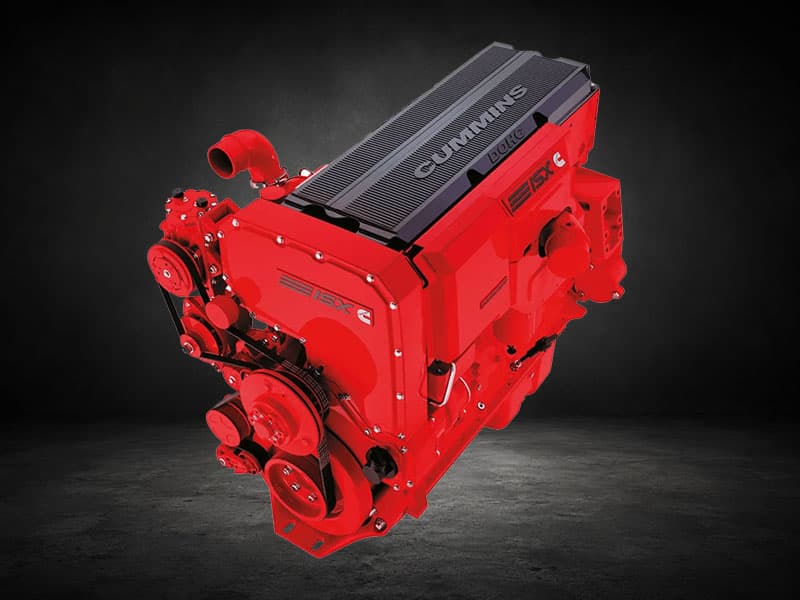
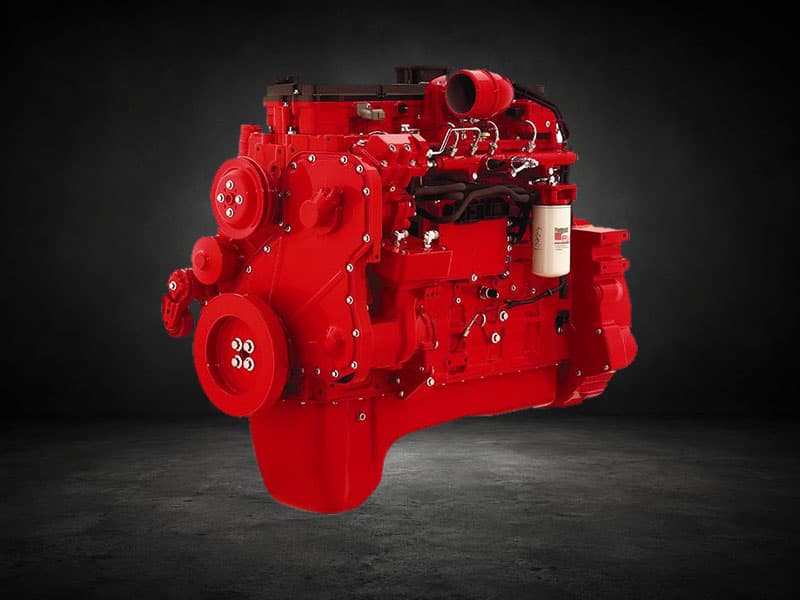
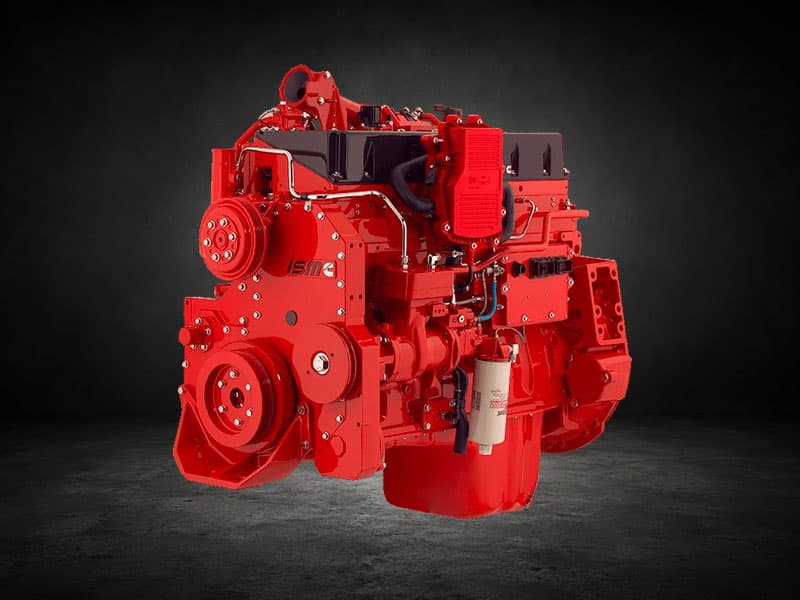
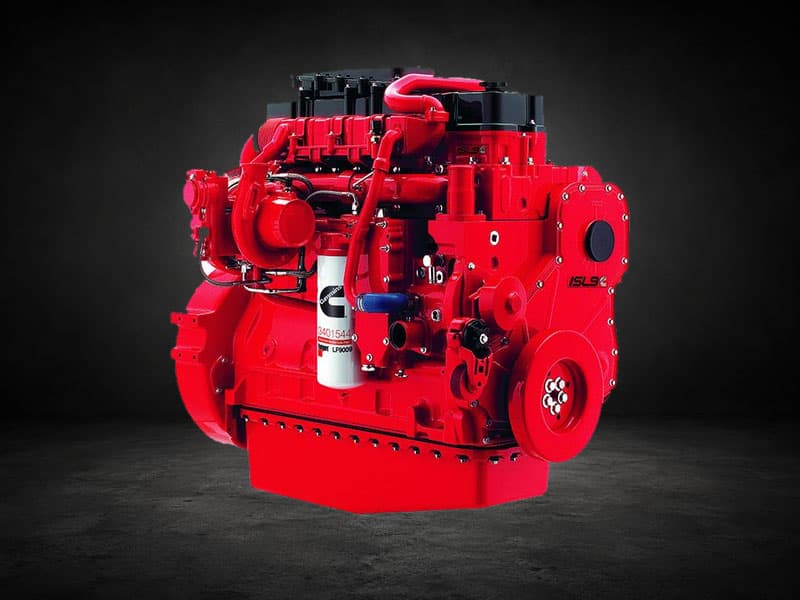
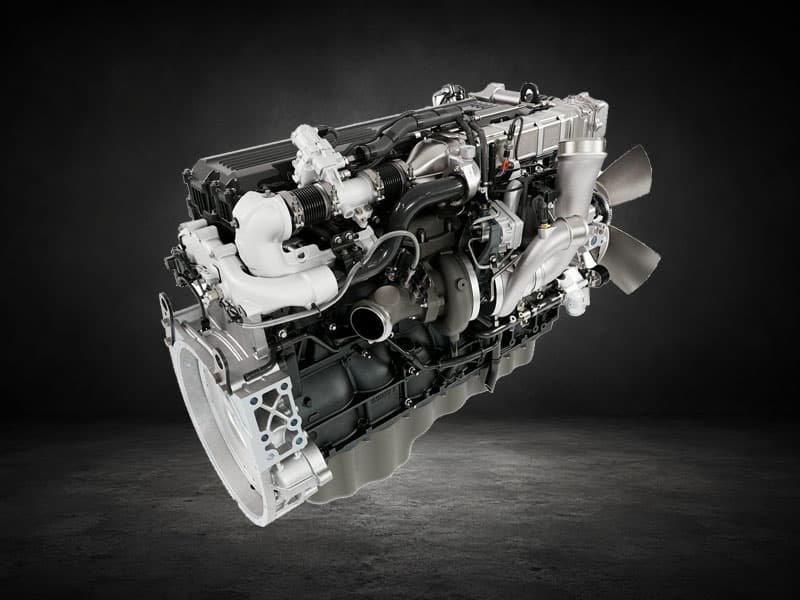
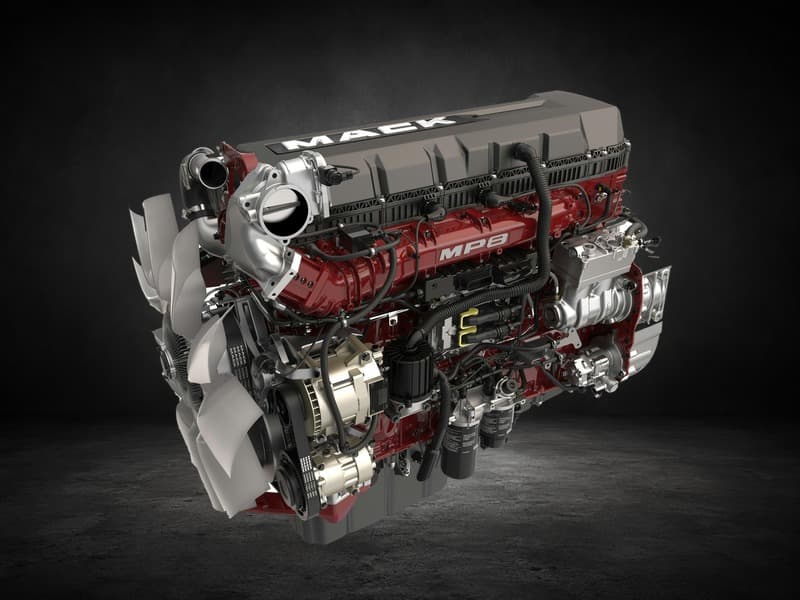
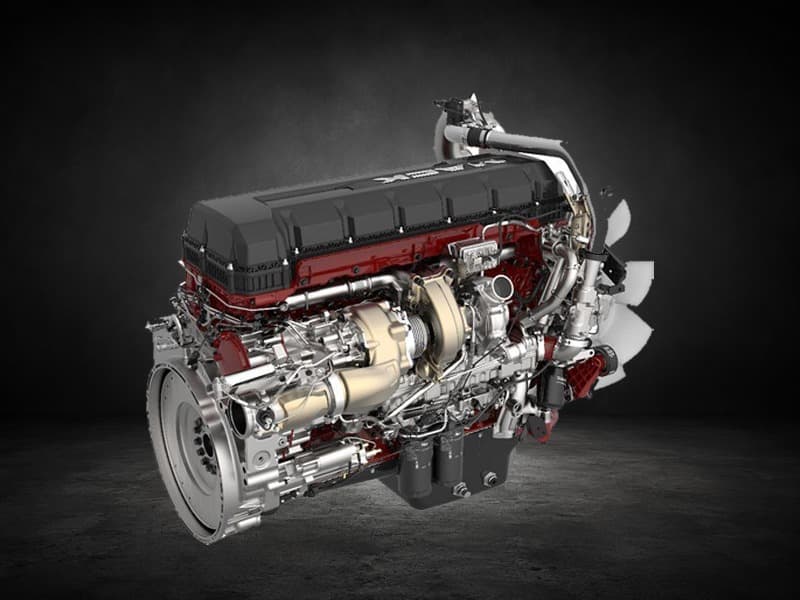
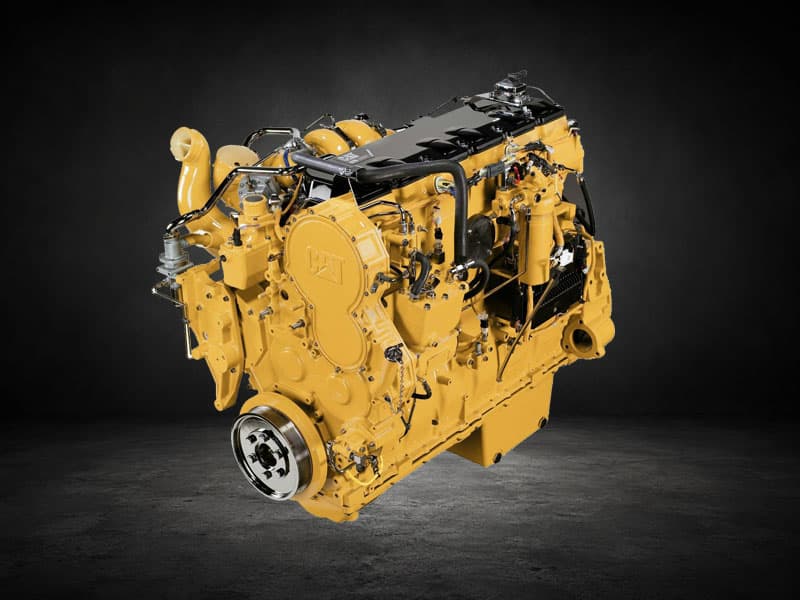
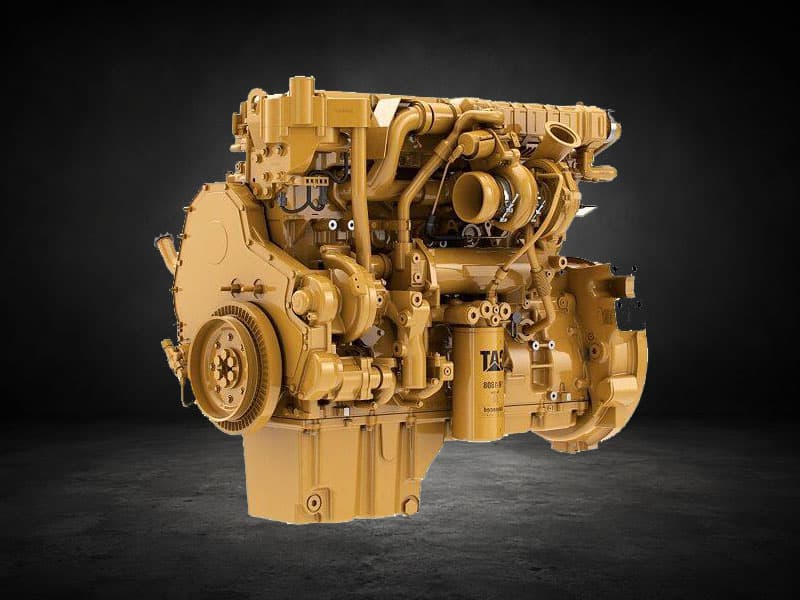
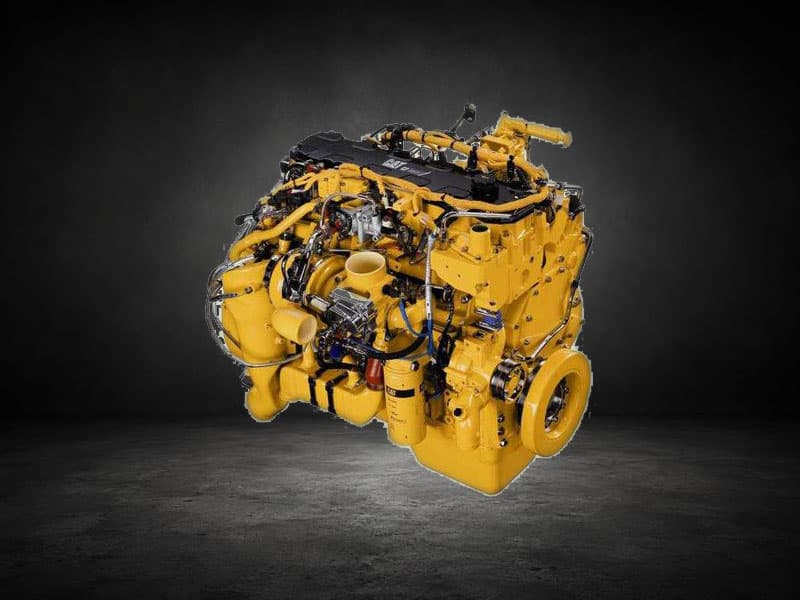
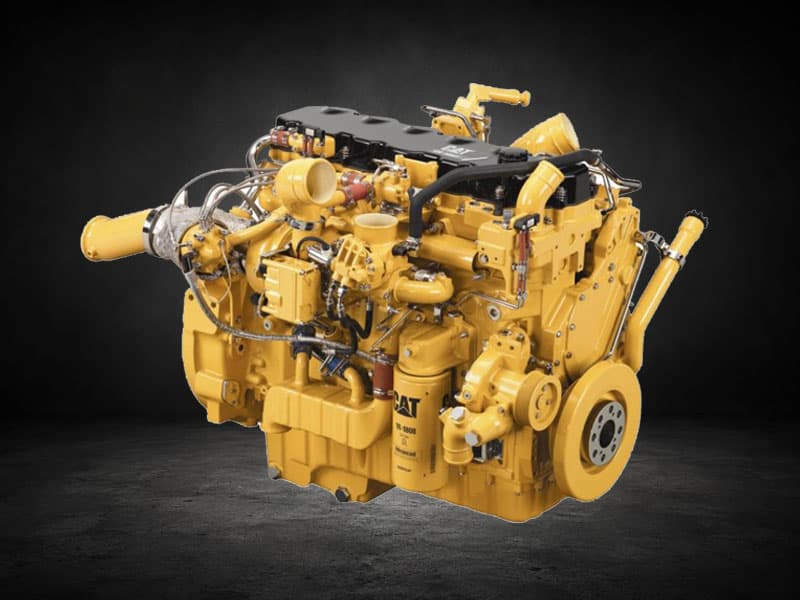
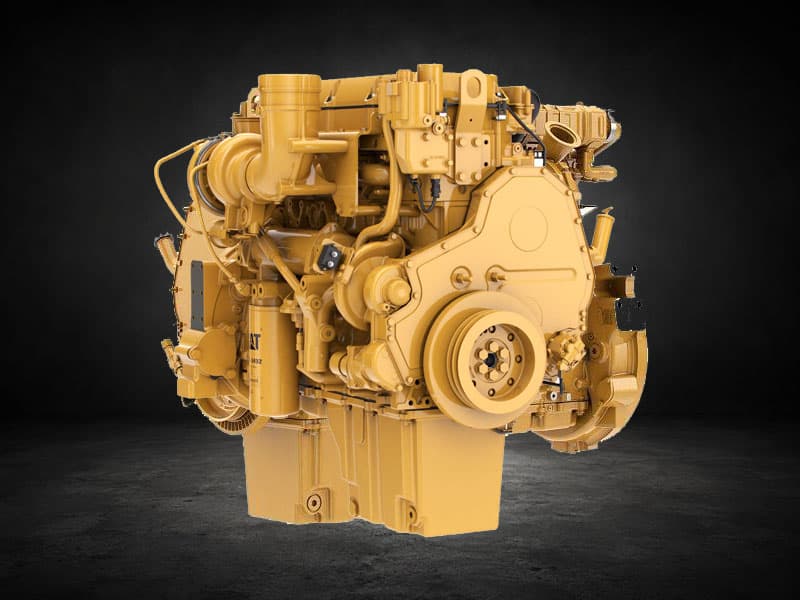
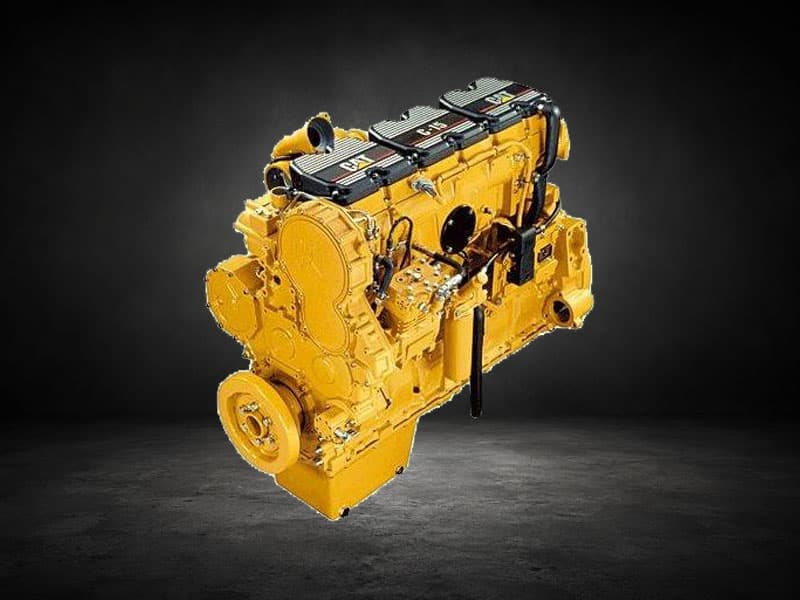
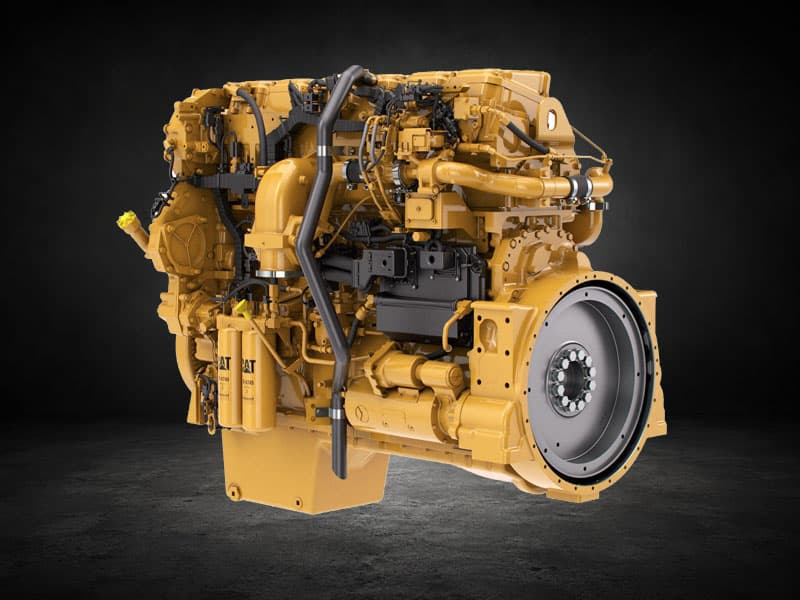
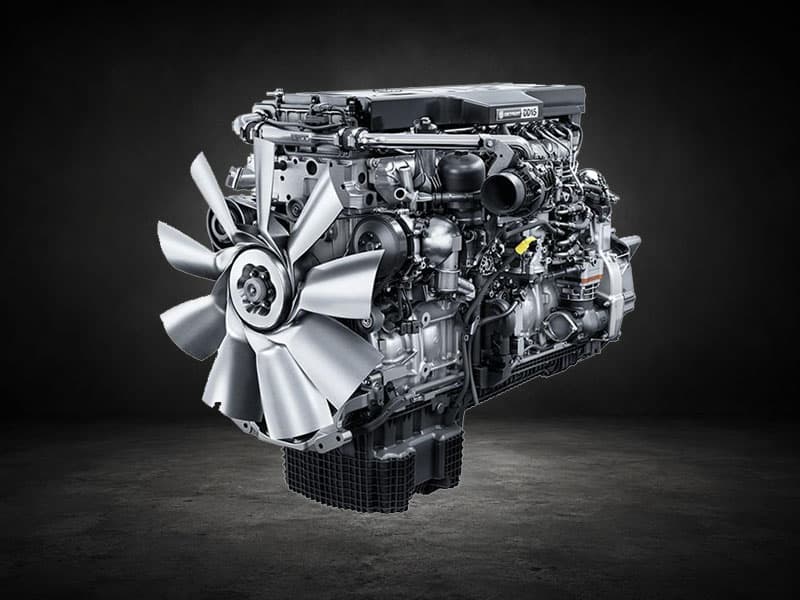
The 379 carried multiple engine families across its production lifetime. Modern emissions-era 379s (2002-2007 production) ran predominantly Cummins ISX and Cat C15 power, with Detroit Series 60 as an alternative. Pre-2002 379s came with Cat 3406E, Detroit Series 60, and various Cummins platforms. The platform's compatibility with the major engine families means today's surviving 379 population is split across multiple engine ecosystems, each requiring its own calibration approach.
Why 379s Come To Our Bench
379 calibration work is almost entirely owner-operator and small-fleet driven. The trucks that are still on the road today are typically owned by operators who chose them deliberately and have maintained them carefully across decades of service:
Owner-operator performance tuning. The dominant 379 calibration application. Heavy-haul operators, oilfield service operators, dedicated long-haul owner-operators, and other 379 customers benefit substantially from calibration work matched to their actual operating conditions. Stock fleet calibrations from the 379 production era were conservative for owner-operator use; calibration work delivers meaningful operational improvements within hardware safety margins.
Cat ADEM calibration recovery on C15-powered 379s. The aging Cat dealer ecosystem makes calibration recovery work particularly valuable on 379s with Cat C15 power. We restore ADEM ECMs that have stopped responding without module replacement when possible — critical given the thinning Cat parts ecosystem for these out-of-production platforms.
Pre-EGR Cummins ISX calibration work. 379s with ISX power from the 2002-2007 production window are pre-EGR-era trucks (or early EGR builds with simpler architecture than later platforms). Calibration work on these trucks targets owner-operator operational priorities — performance, fuel economy, throttle response — without the aftertreatment burden that defines later ISX platforms.
Restoration project support. The 379 has a substantial restoration community, and we support that work through calibration tuning that preserves the platform's character while addressing the specific operational priorities owners care about. This includes calibration recovery on ECMs that have been sitting for years, calibration matching when ECMs are swapped between trucks during restoration, and performance tuning that respects what makes the 379 worth restoring in the first place.
Engine Platforms In The 379
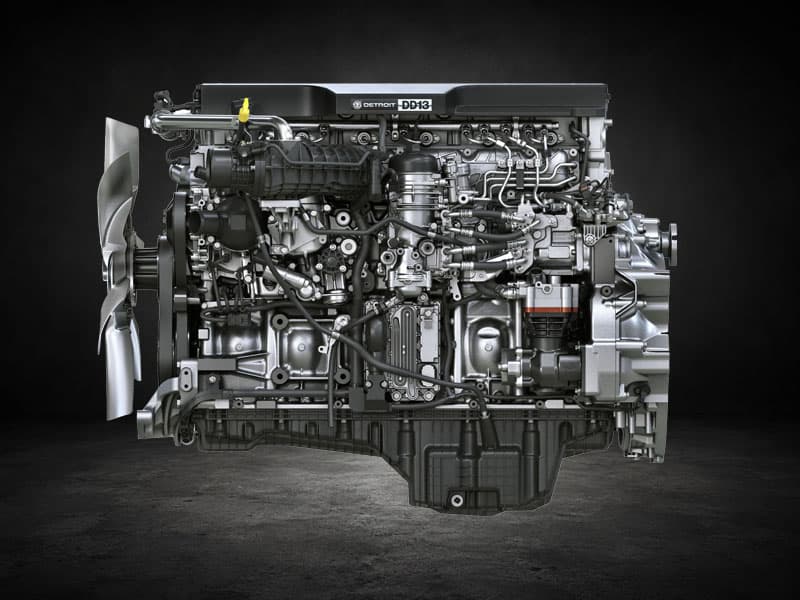
379 calibration work varies meaningfully by engine platform. Cummins ISX-powered 379s use INSITE-based calibration work, with the specific approach depending on whether the truck is pre-EGR (early 2002-2004 builds) or EGR-equipped (2005-2007 builds with the EPA 2007 emissions architecture late in the 379's production run). Cat C15-powered 379s use Cat ET and ADEM ECM architecture, with the additional consideration that Cat exited the on-highway market shortly after the last 379s were built. Detroit Series 60-powered 379s use Detroit DDDL diagnostic, with calibration work that preserves the Series 60's specific operational character.
For each engine platform, we have the calibration libraries and diagnostic tooling required. Knowing the engine before quoting the work is essential — the calibration approach, turnaround time, and pricing all depend on the specific platform.
Service Paths For 379 Programming
Ship-in is the most common path. Pull the ECM, ship to Fort Lauderdale, 2-3 day turnaround. Remote programming works for shops with appropriate engine-platform diagnostic software. On-site service is available for South Florida operators bringing the truck to us.
Quotes return same business day. Tell us the year, the engine, what you want out of the work, and current operational situation. Most 379 conversations are with operators who know their truck inside and out — we approach the work accordingly, with calibration changes that respect the platform's character while delivering the specific operational improvements the operator is after.
The 379's Place In Trucking Culture
The 379 holds a position in North American trucking culture that few other Class 8 platforms can claim. Twenty years of continuous production, broad owner-operator adoption, and the platform's role as the default choice for show trucks and custom builds during the late 1990s and 2000s combined to make the 379 one of the most culturally significant trucks ever produced in the United States. Today's surviving 379 population includes both daily-driven trucks still earning their keep in heavy-haul, oilfield, and owner-operator service, and meticulously preserved examples in active restoration and custom-build communities.
Our calibration work respects what the 379 represents to its owners. Whether the truck is a daily-driven oilfield service truck that needs to keep producing revenue, a heavy-haul rig that needs to perform under demanding load conditions, or a restoration project where the calibration work supports the broader effort to preserve and improve the platform — we approach the work with the operational priorities of the owner driving the calibration decisions, not with a generic dealer-side approach that treats every 379 the same.