The T680's Predecessor
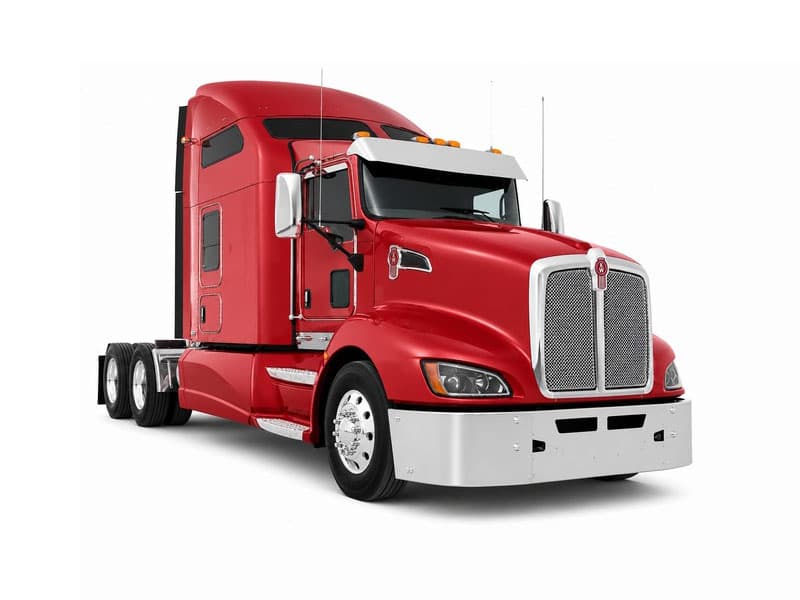
The Kenworth T660 was Kenworth's primary aerodynamic Class 8 highway tractor from 2008 through 2017, bridging the gap between the older T600 and the current T680. The T660 launched with the EPA 2007 emissions architecture and ran through the EPA 2010 transition, meaning the platform carries the full breadth of modern aftertreatment hardware in its production population — DPF-equipped early builds, full SCR/DEF stack post-2010 builds, and the operational characteristics of trucks that were among the first generation of fleet long-haul tractors to deal with modern emissions architecture from the factory.
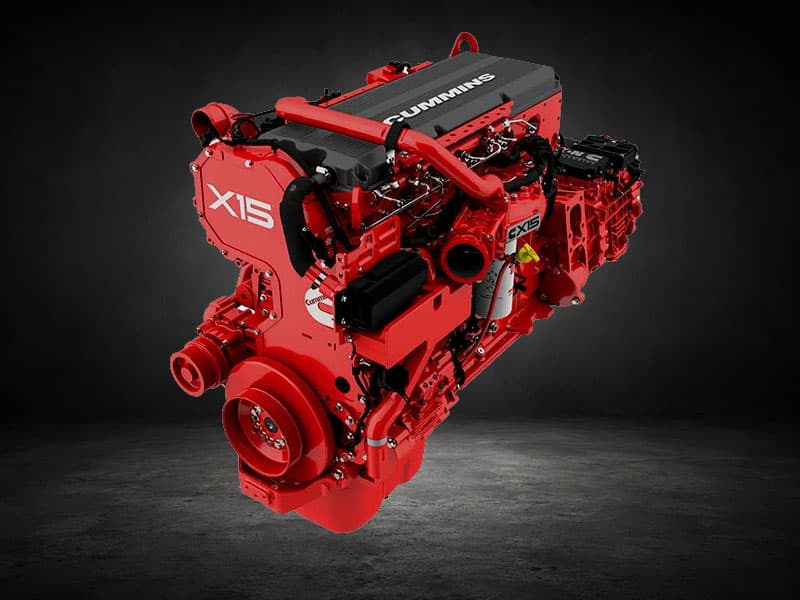
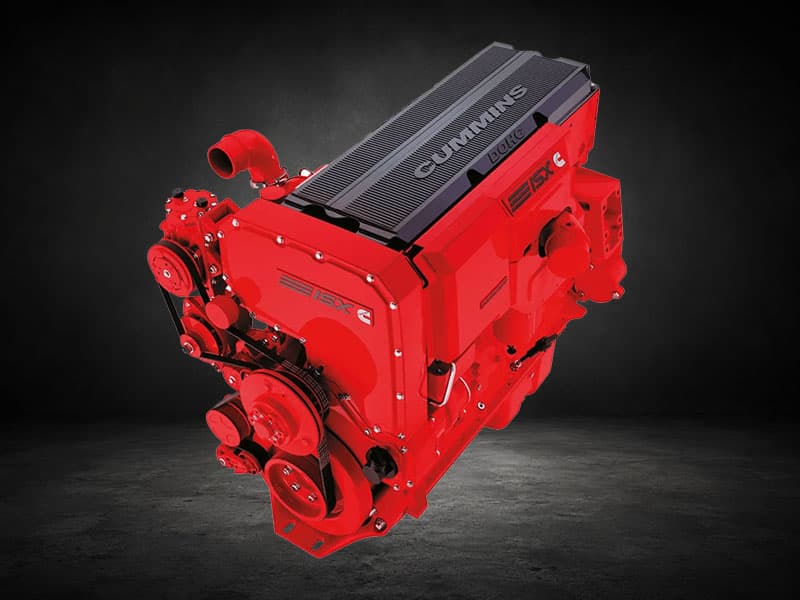
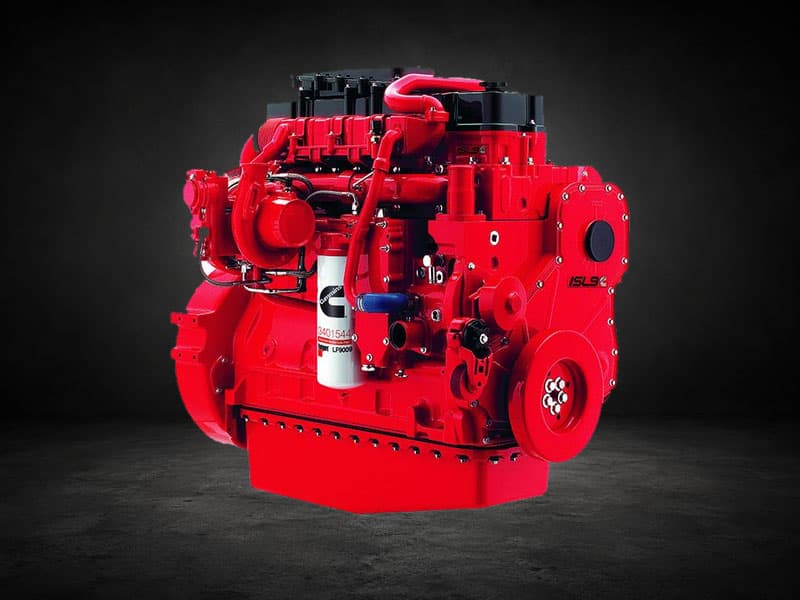
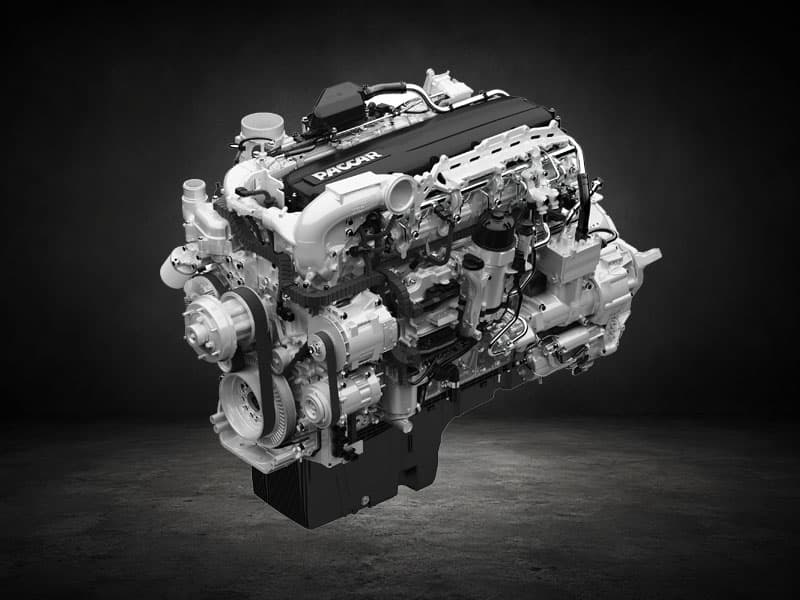
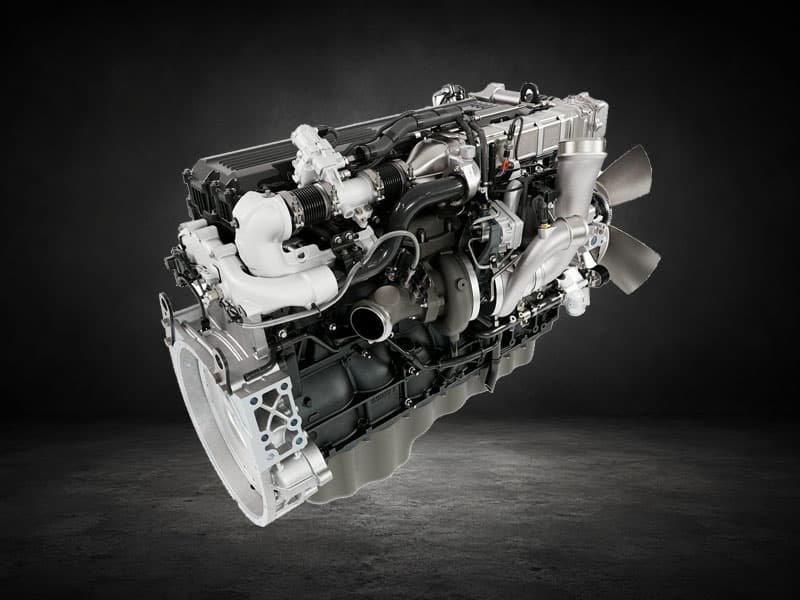
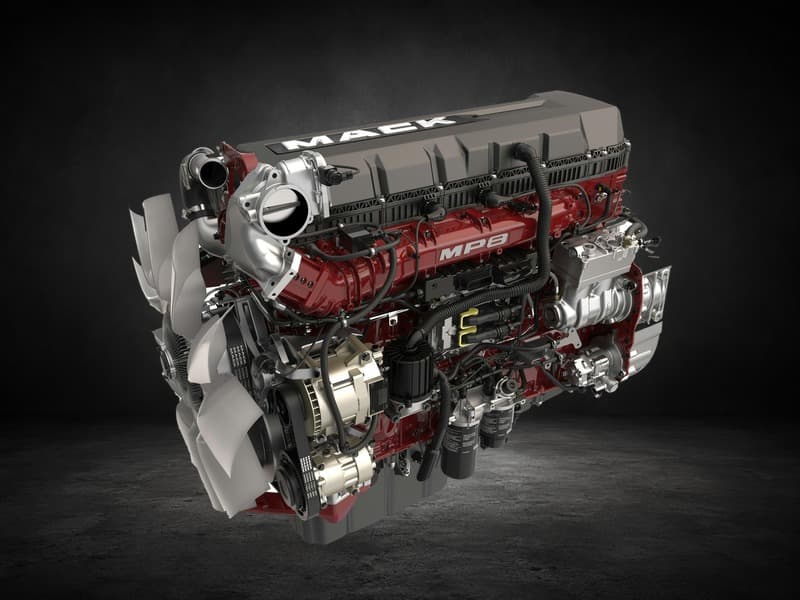
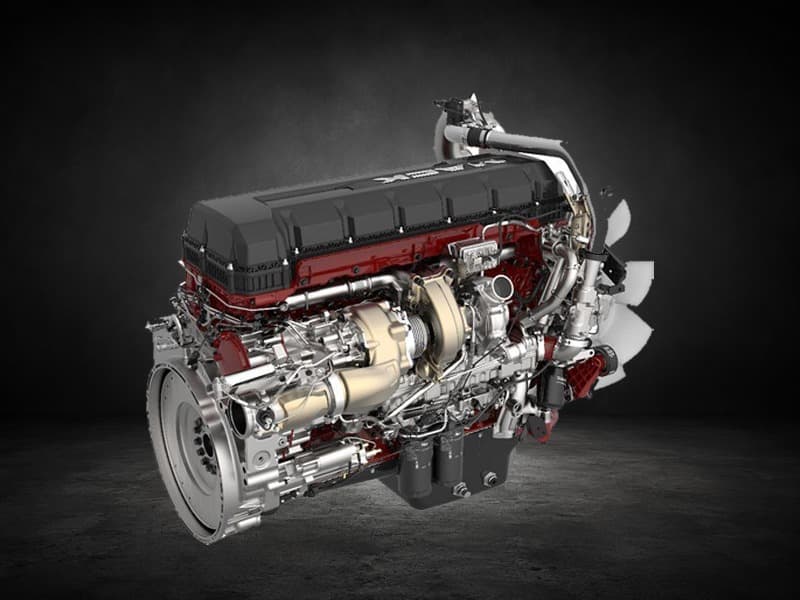
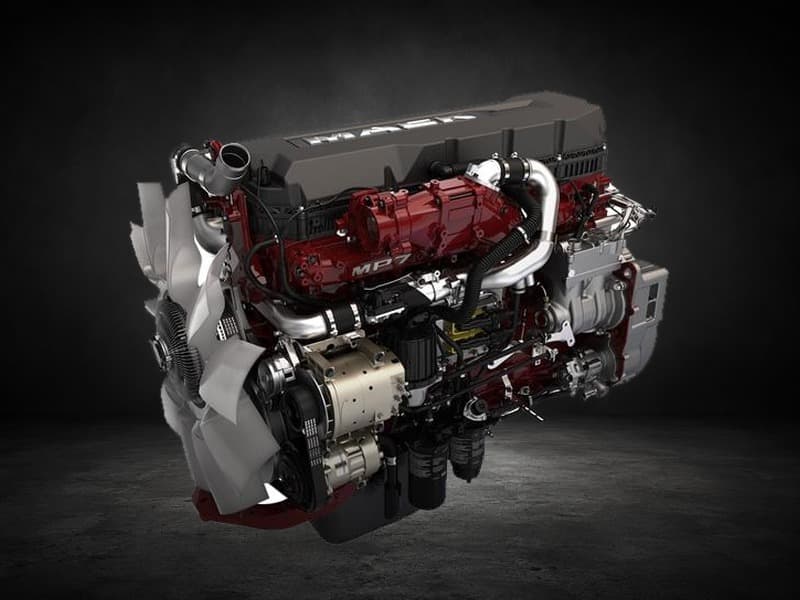
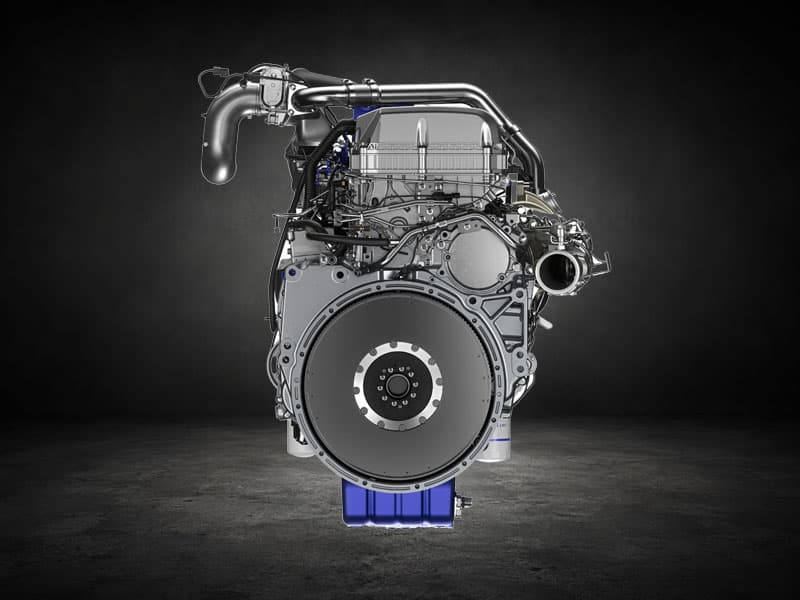
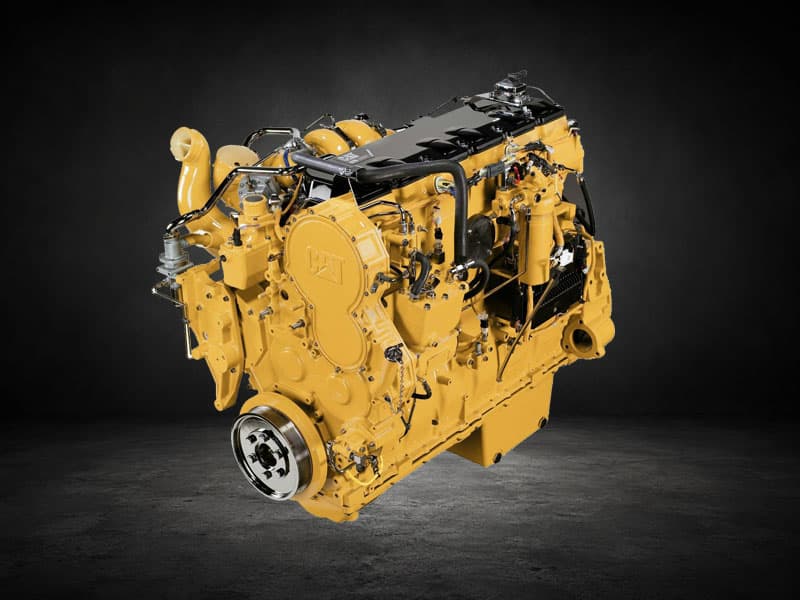
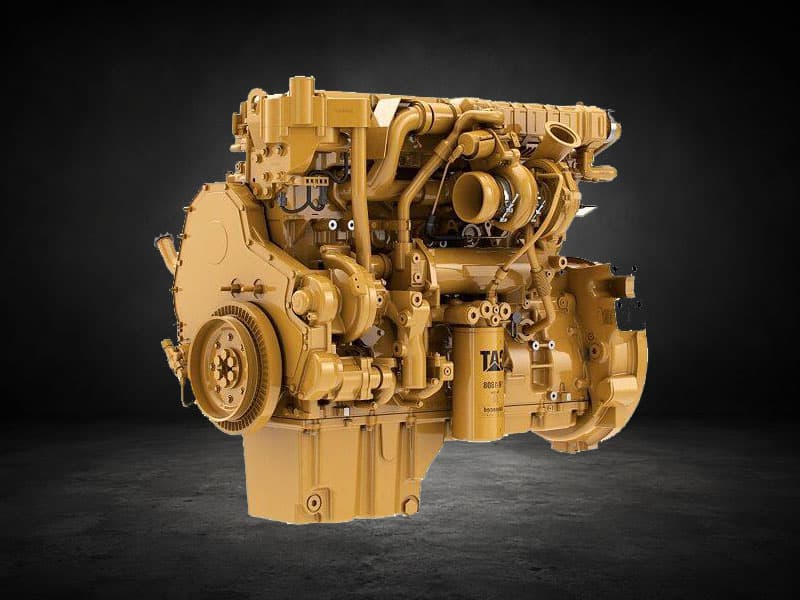
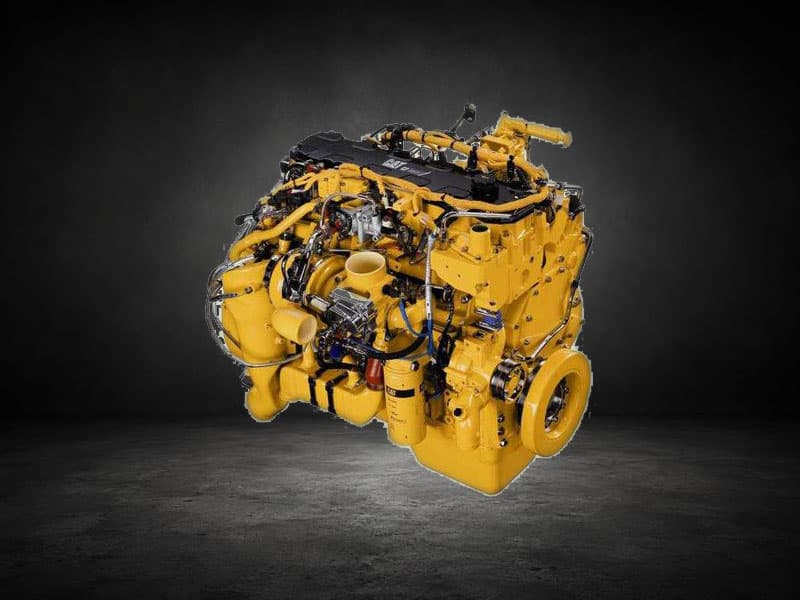
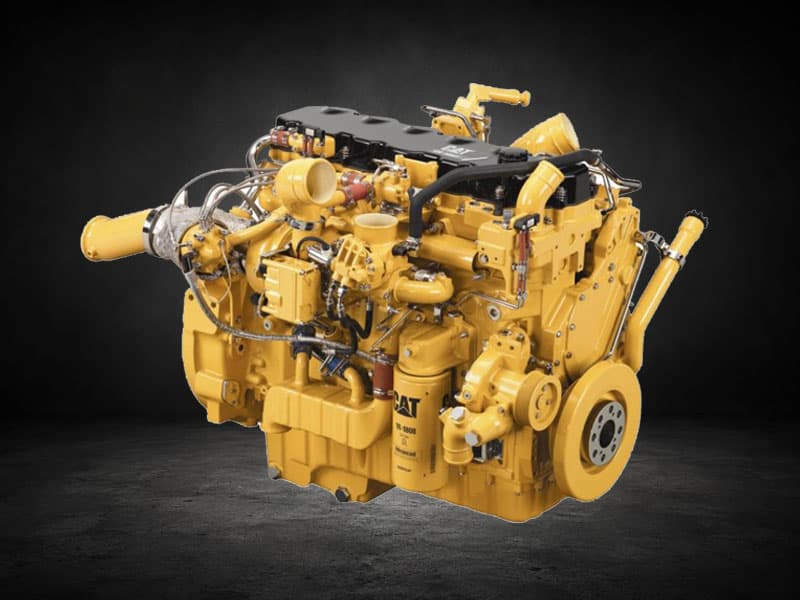
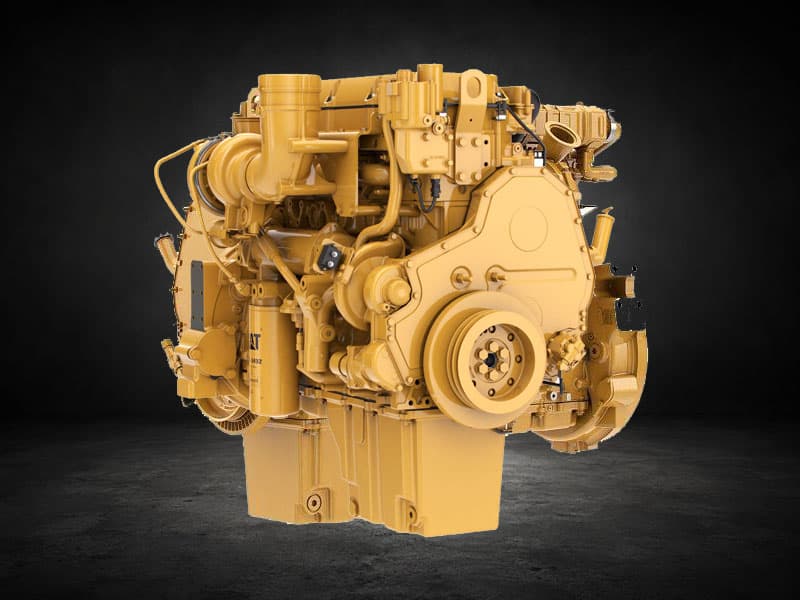
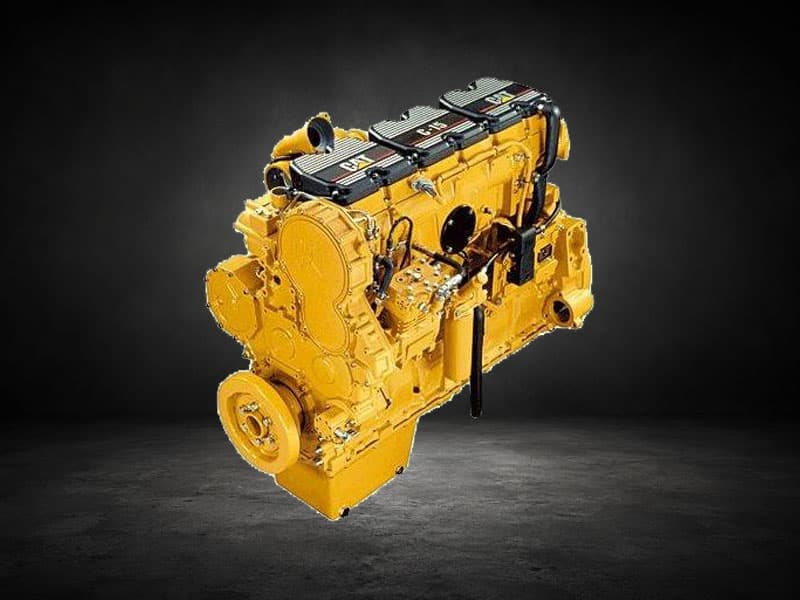
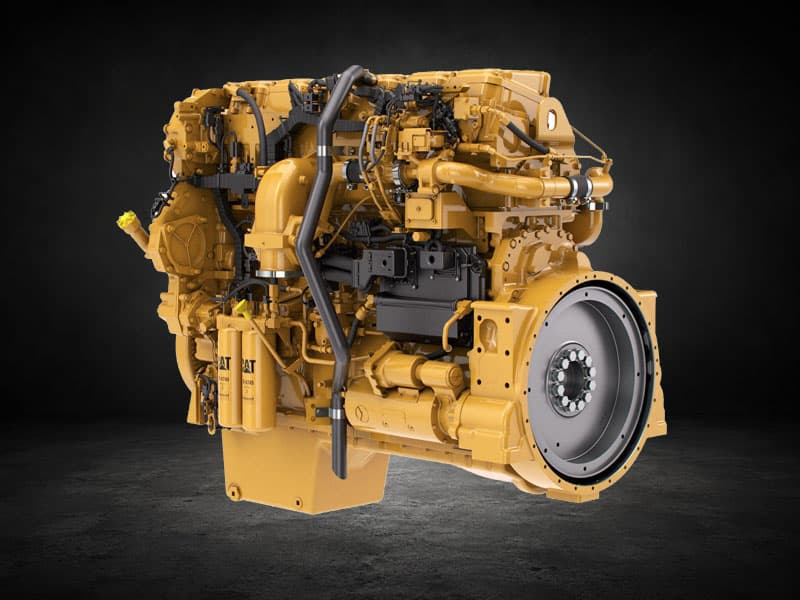
The T660 ran predominantly with Cummins ISX and Paccar MX-13 power, with Cat C13 and C15 options available during the 2008-2009 production window before Cat's on-highway exit. Today the T660 trucks still in active service are typically in second-life fleet operations, mid-tier fleet hands, or owner-operator service after fleet rotation. The platform's age (newest T660s are now 7+ years old, oldest 15+ years) puts it squarely in the high-mileage calibration work zone where aftertreatment hardware and ECM-side issues cluster.
Why T660s Come To Our Bench
T660 calibration work tracks the broader fleet long-haul aging pattern with platform-specific characteristics:
High-mileage DPF derate. T660s rotated out of fleet long-haul into regional or vocational service often hit DPF derate faster than their highway service would have predicted because the duty cycle changed. T660s in continued highway service typically see DPF derate clustering around 800,000-1,000,000 miles depending on engine platform.
DEF dosing failures on post-2010 ISX and MX-13 builds. Standard EPA 2010 pattern. DEF dosing valves fail past 600,000-700,000 miles in fleet long-haul service. NOx sensor drift. SCR catalyst efficiency drops. Inducement countdowns build.
EGR cooler degradation across engine platforms. Standard aging pattern. The specific manifestation differs by engine platform, but the underlying cause (combined EGR rate, age, mileage, accumulated combustion byproducts) is consistent across ISX, MX-13, and the Cat platforms.
Used-truck preparation for export and second-life service. A significant share of T660 calibration work today involves preparing used trucks for export markets or second-life domestic service. Delete preparation, recalibration to match new operational patterns, and chassis-specific calibration work for trucks transitioning between operational roles.
Owner-operator and small-fleet performance work. T660s acquired by owner-operators after fleet rotation often benefit from calibration work matched to actual owner-operator duty cycle rather than the original fleet long-haul calibration.
Service Paths For T660 Programming
Ship-in is the most common path. Pull the ECM, ship to Fort Lauderdale, 2-3 day turnaround. Remote programming works for shops with appropriate engine-platform diagnostic software. On-site service is available for South Florida fleet customers and owner-operators.
Quotes return same business day. Tell us the year, the engine (Cummins ISX, Paccar MX-13, Cat C13 or C15), the truck's primary application, and current fault codes. For fleet customers operating remaining T660 inventory, we can quote both per-truck and batch programming approaches depending on what makes operational sense.
For dealer and broker partners moving used T660 inventory, delete preparation for export and off-road buyers is routine work. NDAs are standard, and recurring relationships typically batch programming work efficiently across inventory cycles.
The T660 In Practical Context
The T660 represents a specific transitional generation in Class 8 highway tractor design — the first widely-deployed Kenworth platform built around modern aerodynamic principles and modern aftertreatment architecture from the factory. That transitional nature is part of why the platform has accumulated specific operational knowledge over its production lifetime: shops, fleets, and owner-operators learned what worked and what didn't, what calibration approaches delivered operational benefits and which were just dealer-side recurring revenue. Our calibration work draws on that accumulated platform knowledge to deliver work that addresses the actual operational issues T660 owners face, not just generic post-2010 emissions troubleshooting.
T660 owners today are typically operators who know the platform well, either from owning the truck for years or from operating other T660s before acquiring the current one. The conversations we have with them tend to be specific and operationally focused — they know what they want from the truck, and they want calibration work that delivers it.
T660 Engine Platform Considerations
T660 calibration work varies meaningfully by engine platform. Cummins ISX-powered T660s use the INSITE calibration ecosystem and have the broadest knowledge base across our customer population. Paccar MX-13 T660s require Paccar-specific calibration libraries and have their own characteristic patterns around aftertreatment behavior under fleet long-haul service. Cat C13 and C15 T660s from the 2008-2009 production window use Cat ET and ADEM ECM architecture, with the additional consideration that Cat exited the on-highway market shortly after these trucks were built — meaning dealer-side calibration support has thinned considerably and recovery work has become correspondingly more valuable.
For each engine platform, the dominant calibration approach matches the platform's specific characteristics. Knowing the engine before quoting the work is essential, which is why our intake conversation centers on engine identification, current calibration ID, and operational situation before we commit to specific scope or turnaround.