Freightliner's Long-Hood Heavyweight
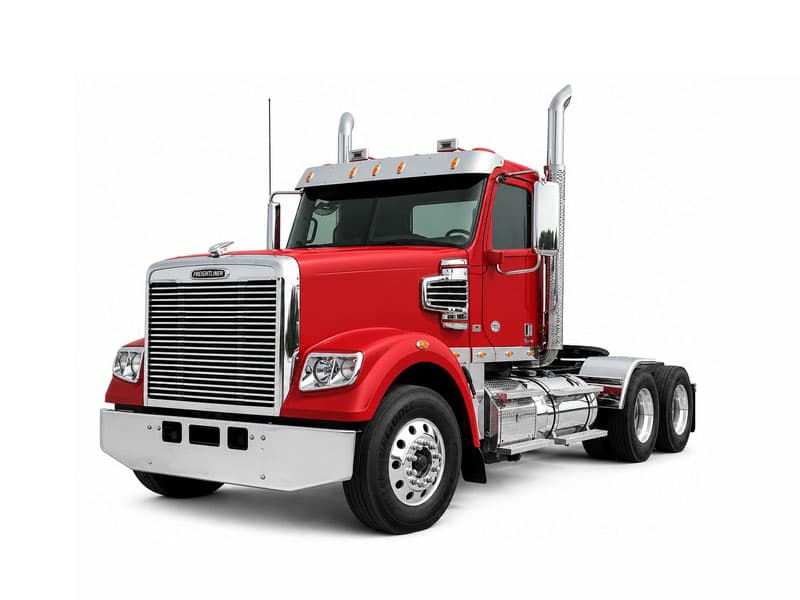
The Freightliner Coronado is Freightliner's traditional long-hood Class 8 tractor, positioned distinctly from the aerodynamic Cascadia as the company's option for operators who want classic styling, traditional chassis architecture, and the heavy-haul capability that comes with the long-hood platform. In production from 2001 through 2021, the Coronado occupied an unusual market position — Freightliner is primarily known for the aerodynamic Cascadia and Century-class fleet tractors, but the Coronado gave the brand a foothold in the owner-operator and heavy-haul segments traditionally dominated by Peterbilt and Kenworth.
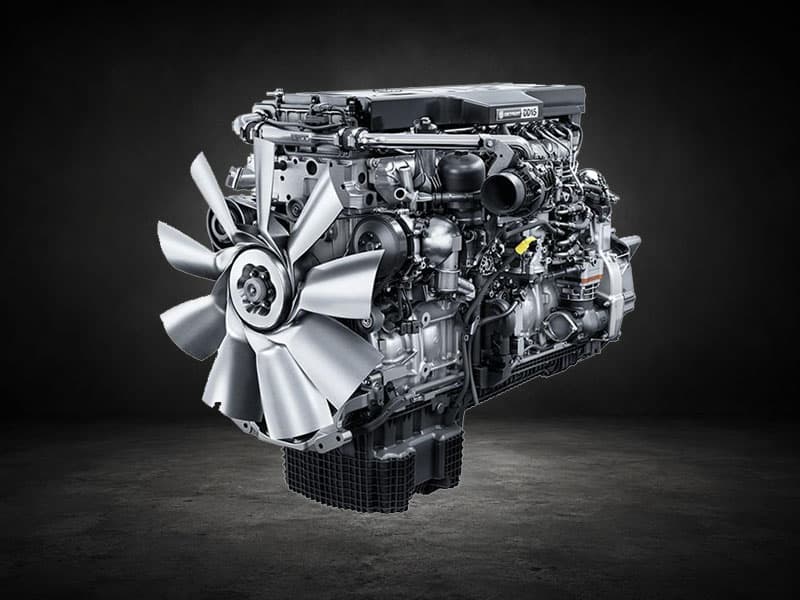
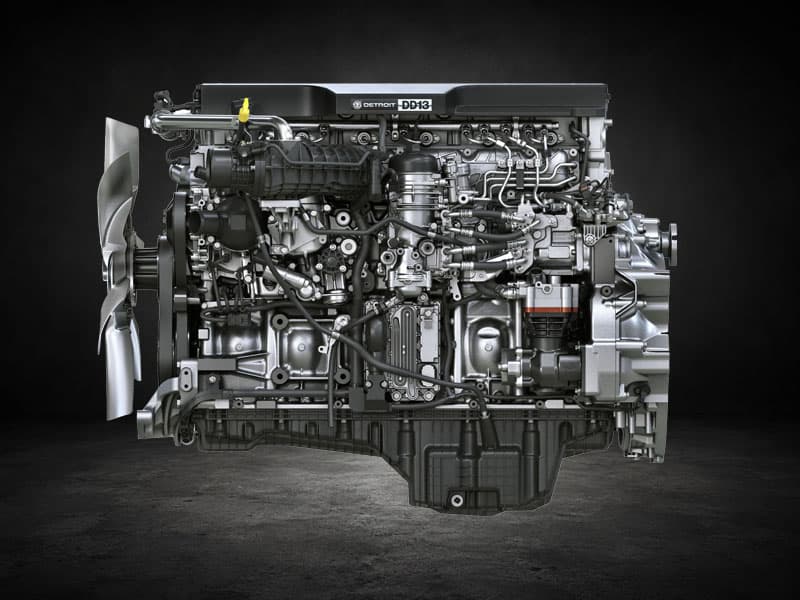
The Coronado ran predominantly with Detroit Diesel engines — DD15 and DD16 in the modern emissions era, Detroit Series 60 on earlier production. Cummins ISX was available as an alternative engine option throughout the production run, giving operators choice across the major Class 8 engine families. The trucks still in active service today are typically in heavy-haul, oilfield service, owner-operator long-haul, and similar applications where the long-hood configuration and heavy-duty chassis specifications matter to the operation.
Why Coronados Come To Our Bench
Coronado calibration work tracks heavy-haul and owner-operator patterns, with the engine platform driving the specific calibration approach:
Heavy-haul performance tuning. The dominant Coronado calibration application. Heavy-haul operators pulling permitted loads, oilfield service operators in demanding production basins, and owner-operators in heavy applications benefit from calibrations matched to actual operating conditions. The Coronado's chassis can accommodate the largest available Class 8 power, and calibration work on the engine side delivers operational improvements that match the chassis capability.
Detroit DD15 calibration recovery and recalibration. DD15-powered Coronados sometimes face DD15-specific calibration issues — failed dealer flashes, calibration corruption after partial loads, calibration recovery on modules pulled from salvage cores. We restore most modules without replacement.
DPF and EGR delete for off-road and export. Coronados dedicated to oilfield service or other off-road applications benefit from combined delete preparation. Used Coronados headed for export markets also receive delete preparation as standard work.
Owner-operator calibration matching for second-life service. Coronados acquired by owner-operators after fleet rotation often benefit from calibration work matched to actual owner-operator operations rather than the original fleet calibration. The transition from fleet long-haul to owner-operator service often changes the operational priorities meaningfully.
Engine Platforms In The Coronado
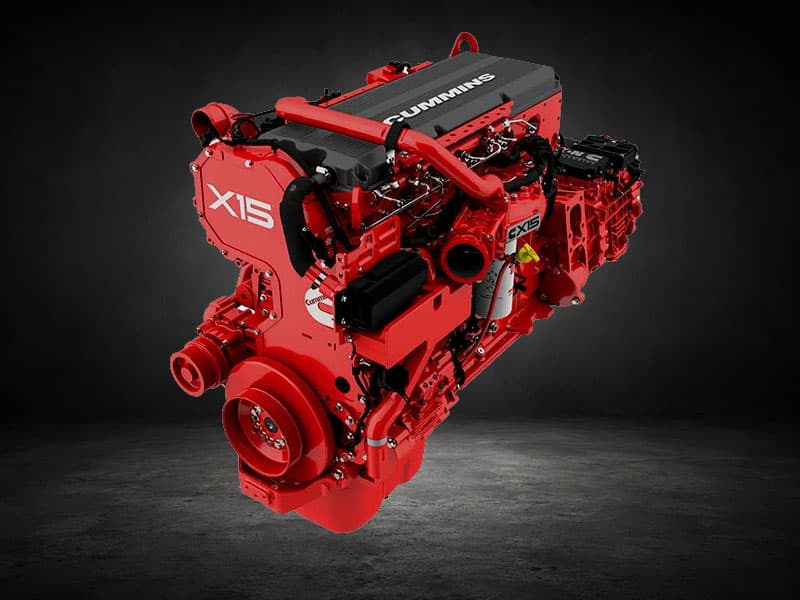
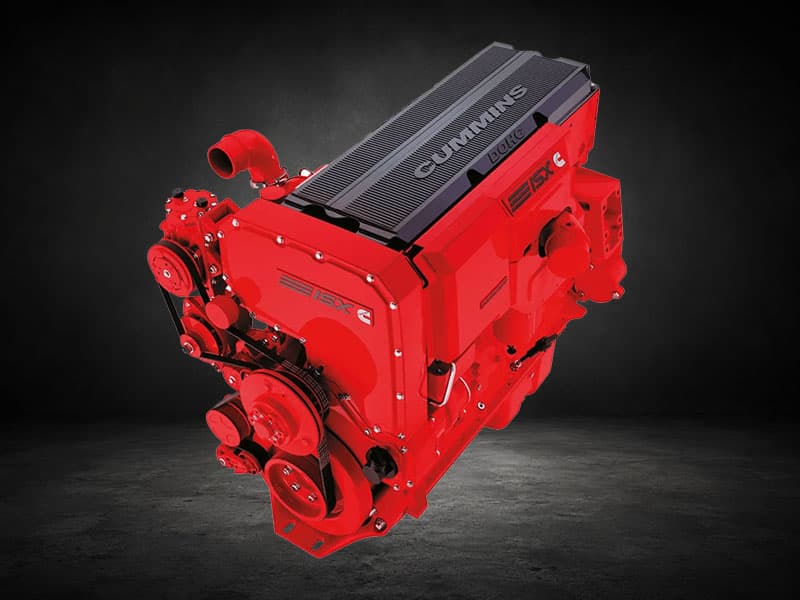
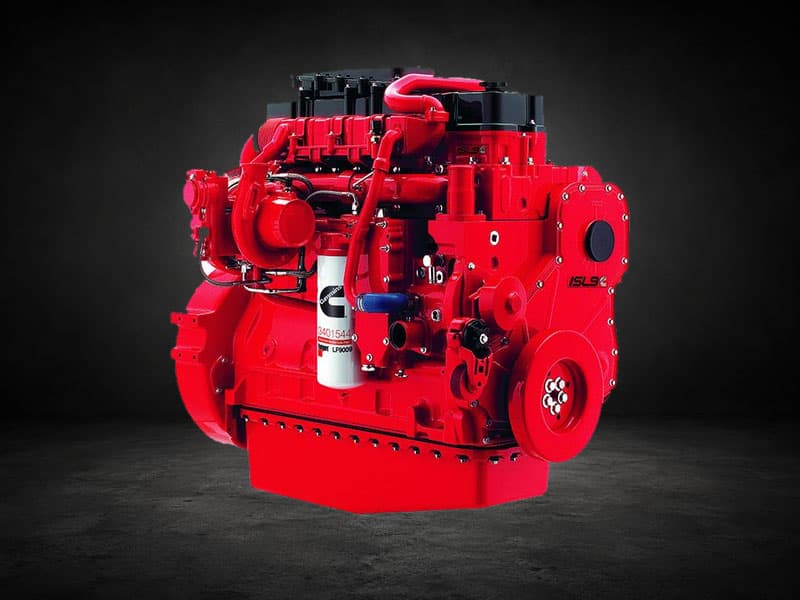
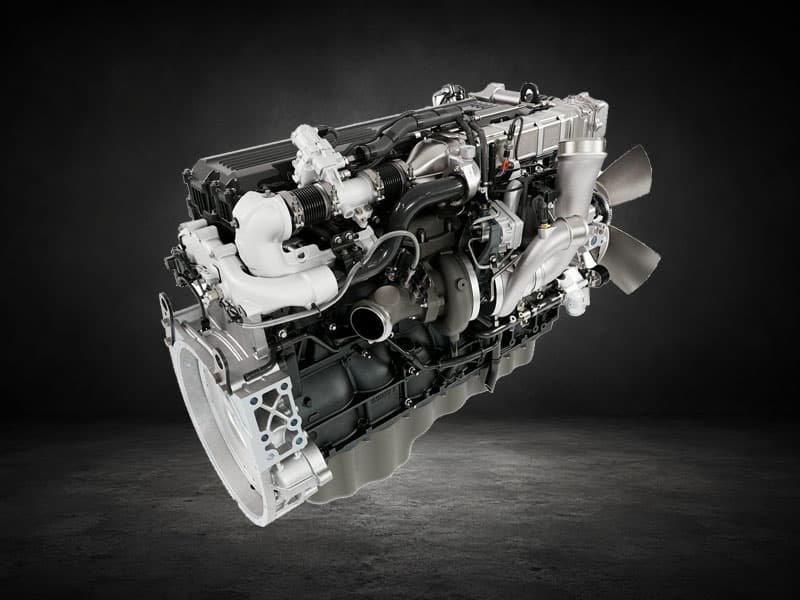
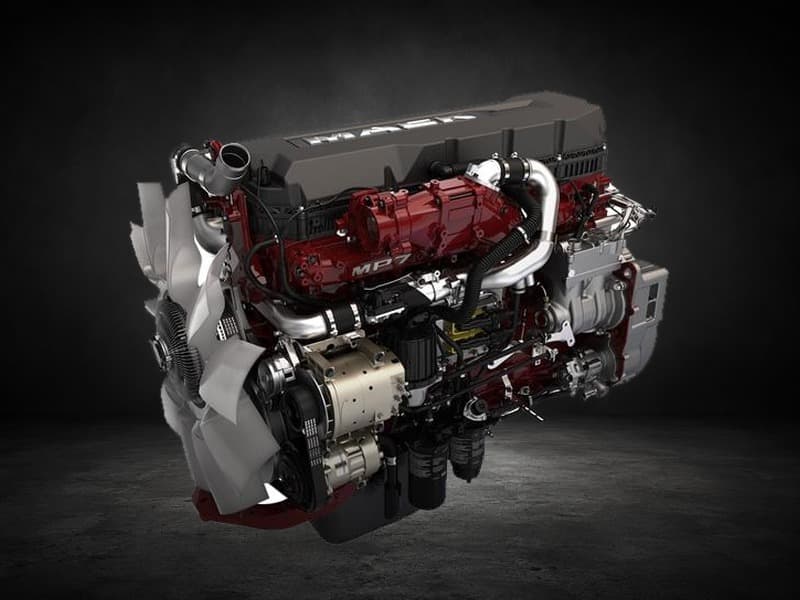
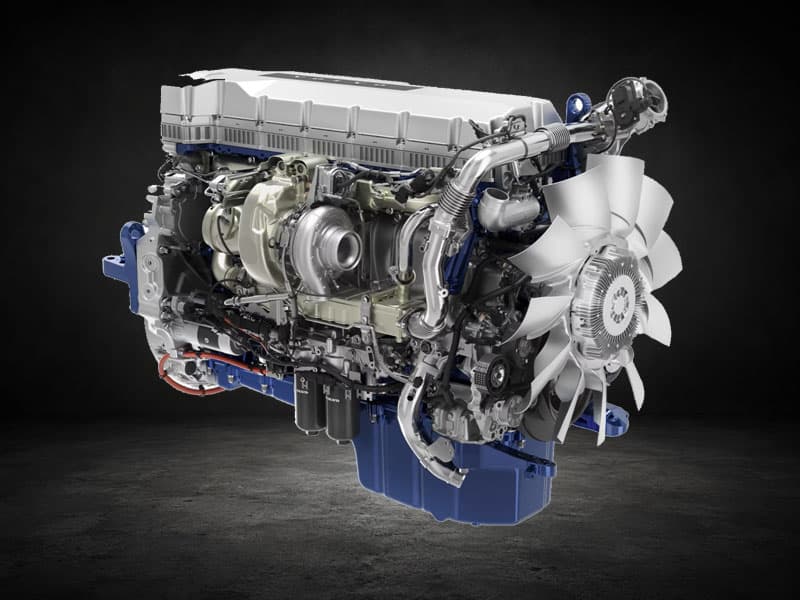
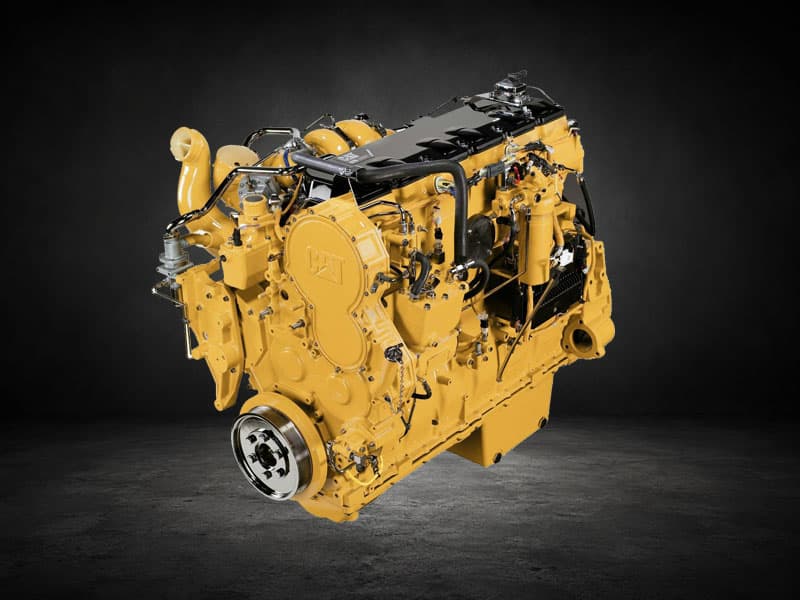
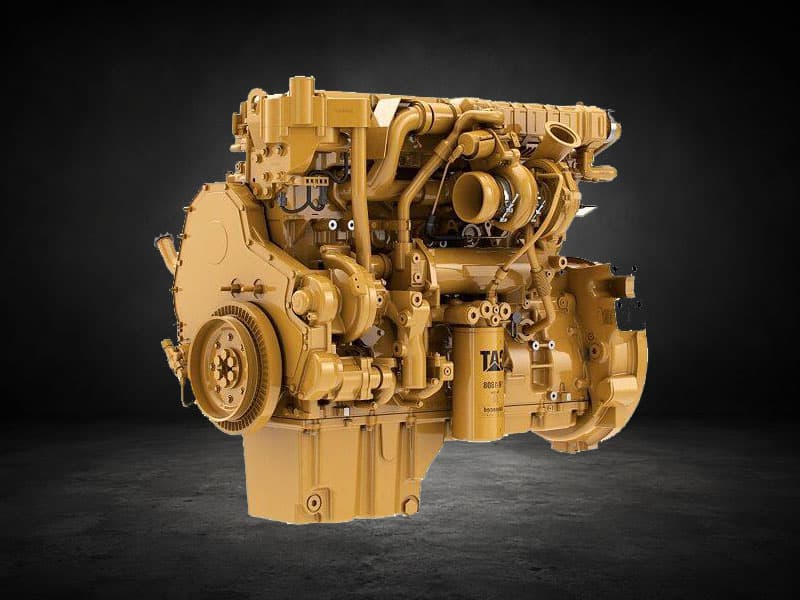
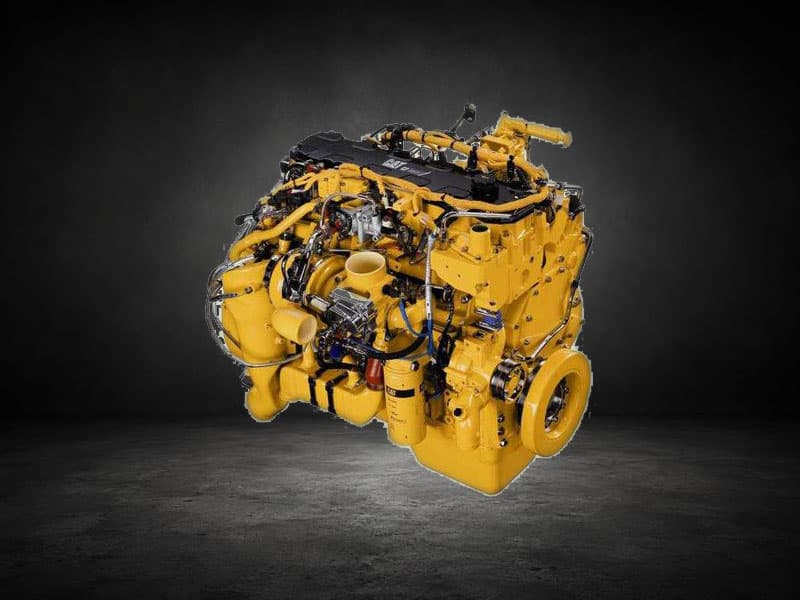
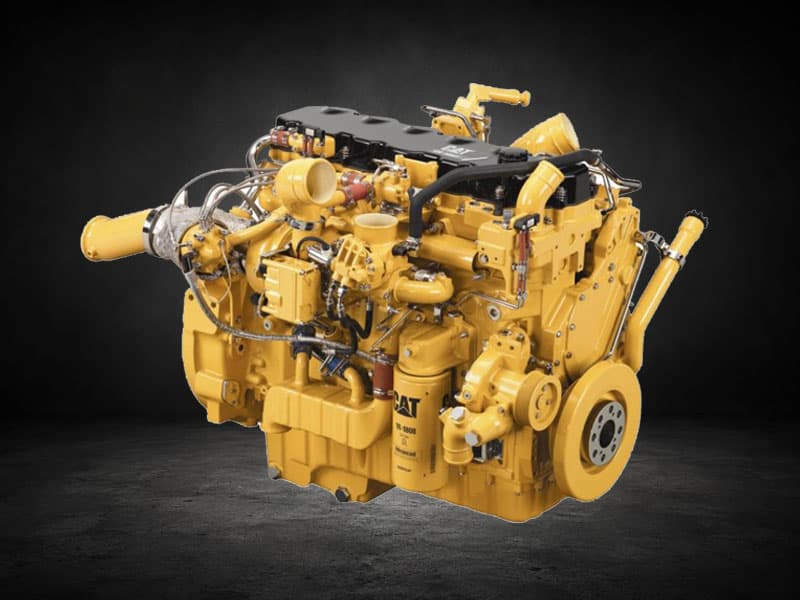
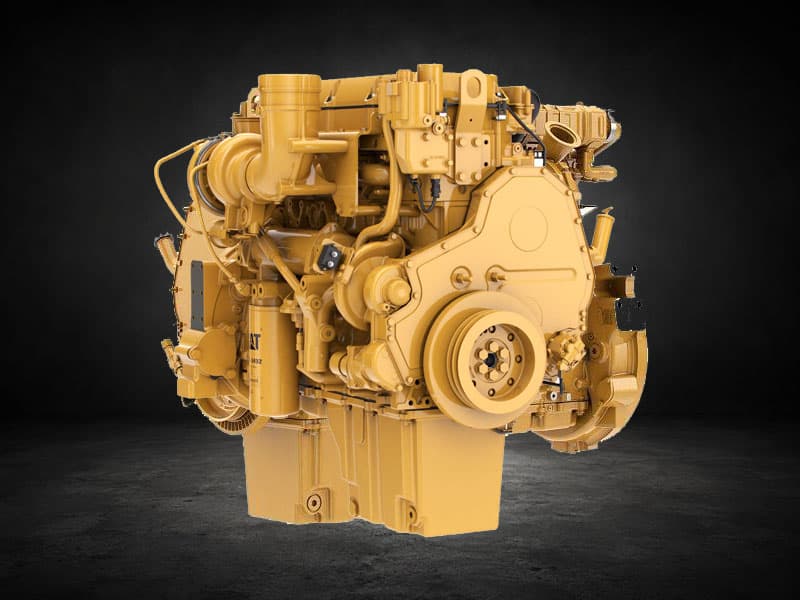
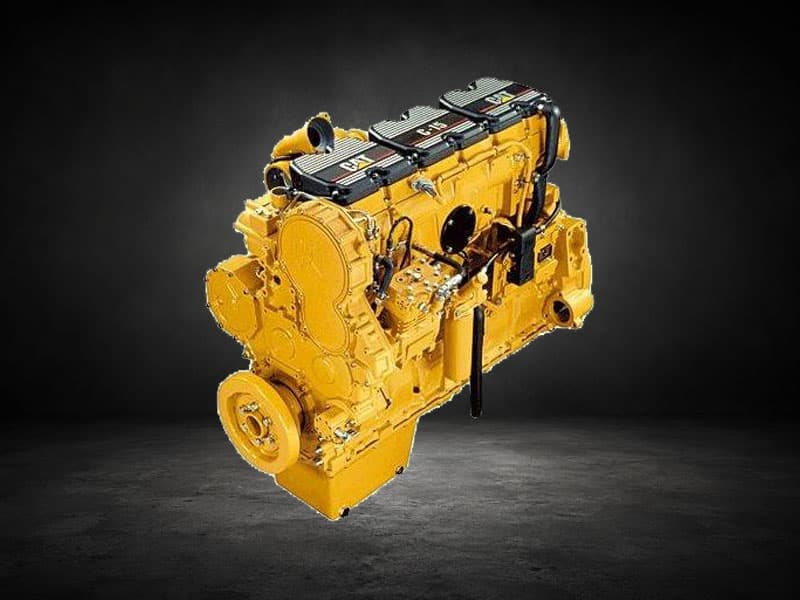
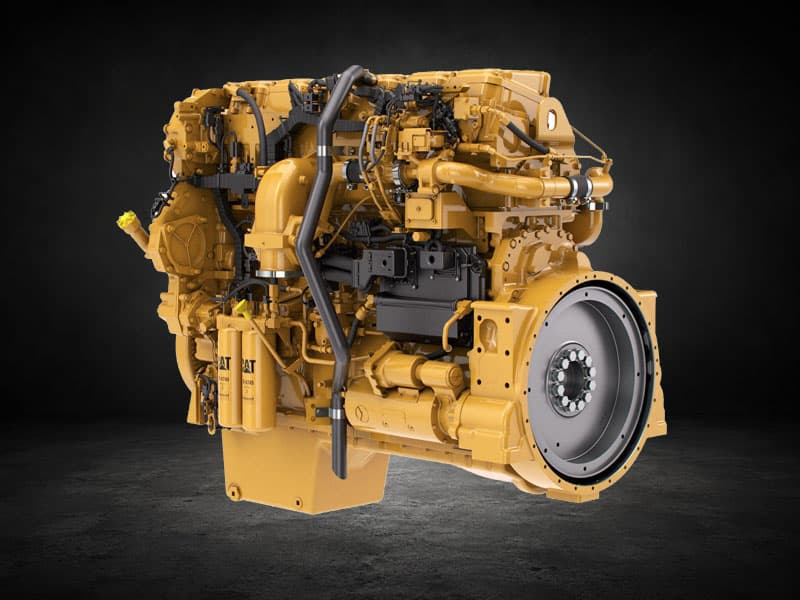
Coronado calibration work depends on engine platform. Detroit DD15-powered Coronados (the dominant modern configuration) use Detroit DDDL diagnostic and require Detroit-specific calibration libraries. Detroit DD16-powered Coronados (heavy-haul configurations) use similar Detroit ecosystem with DD16-specific calibrations. Cummins ISX-powered Coronados use Cummins INSITE-based calibration work. Older Detroit Series 60-powered Coronados use DDDL with Series 60-specific approaches.
For each engine platform, we have the diagnostic tools and calibration libraries required. The intake conversation centers on identifying the engine, year, and current calibration ID before we commit to specific scope or pricing.
Service Paths For Coronado Programming
Ship-in is the most common path. Pull the ECM, ship to Fort Lauderdale, 2-3 day programming turnaround. Remote programming works for shops with appropriate engine-platform diagnostic software. On-site service is available for South Florida heavy-haul customers and owner-operators.
Quotes return same business day. Tell us the year, the engine (Detroit DD15, DD16, or Cummins ISX), the operational situation, and what you want out of the work. Coronado customers typically have specific operational priorities driving the calibration conversation — heavy-haul performance, oilfield service durability under demanding conditions, fuel economy in owner-operator long-haul service.
The Coronado In Operational Context
The Coronado represented Freightliner's commitment to the traditional long-hood Class 8 market segment during its 20-year production run. While the platform never matched Peterbilt or Kenworth's owner-operator market share, it earned a dedicated following among heavy-haul operators, oilfield service customers, and owner-operators who specifically wanted Freightliner's Detroit Diesel powertrain integration in a long-hood chassis. Today's surviving Coronado population reflects that customer base — predominantly in heavy-haul, oilfield, and owner-operator service rather than fleet long-haul applications. Our calibration work reflects what these operators need from their trucks: real performance gains, durable solutions to aftertreatment issues, and respect for the platform's operational character.
For Detroit Diesel-powered Coronado specifically, our work draws on the broader DD15 and DD16 calibration knowledge base we maintain across the full Detroit Diesel platform — Cascadia, Coronado, and Detroit-powered Western Star applications all share calibration ecosystem characteristics, which means our approach to Coronado work benefits from the broader Detroit Diesel work we do across other chassis families. The intake conversation, calibration methodology, and turnaround expectations are consistent across the Detroit Diesel platform regardless of the specific chassis it's installed in.
For Cummins ISX-powered Coronados, the calibration work draws on the broader Cummins ISX knowledge base we maintain across Kenworth, Peterbilt, Freightliner, International, and other chassis families. Engine-platform consistency means that the calibration approach is the same across chassis types — the chassis affects mounting, ECM accessibility, and chassis-specific calibration variables, but the engine-side calibration methodology and the operational outcomes available are consistent.
The result for Coronado customers is straightforward: regardless of engine platform, the calibration work approach is established and the operational improvements available are real. The intake conversation focuses on operational priorities, the work executes on familiar diagnostic and calibration ecosystems, and the turnaround stays in the 2-3 day window that defines our standard programming response.