The Heavy-Spec Business Class M2
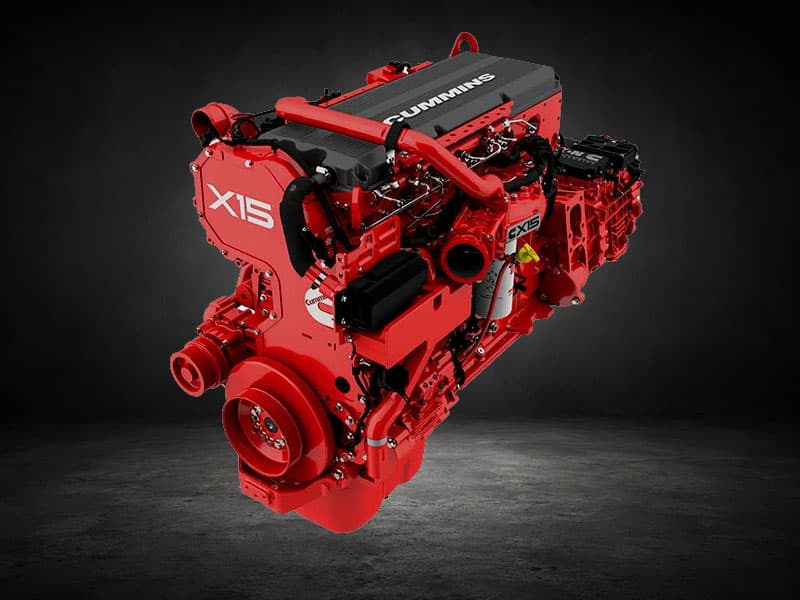
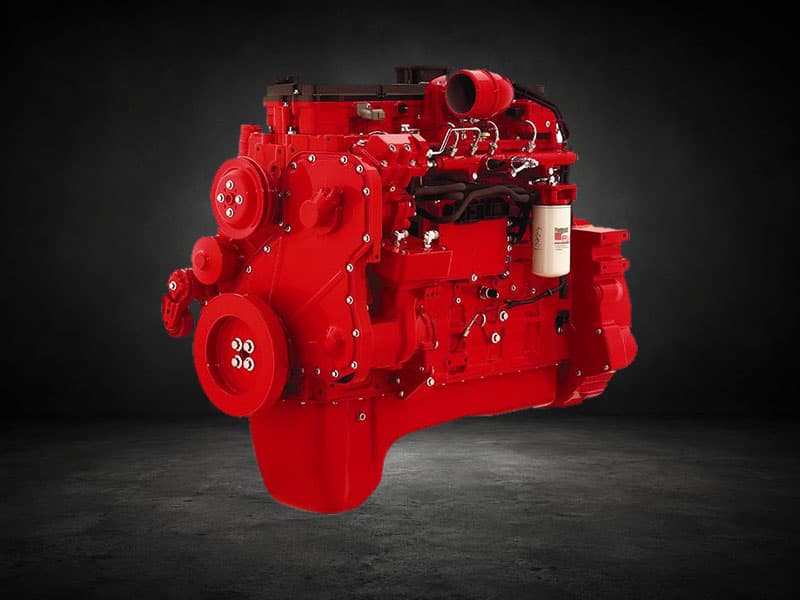
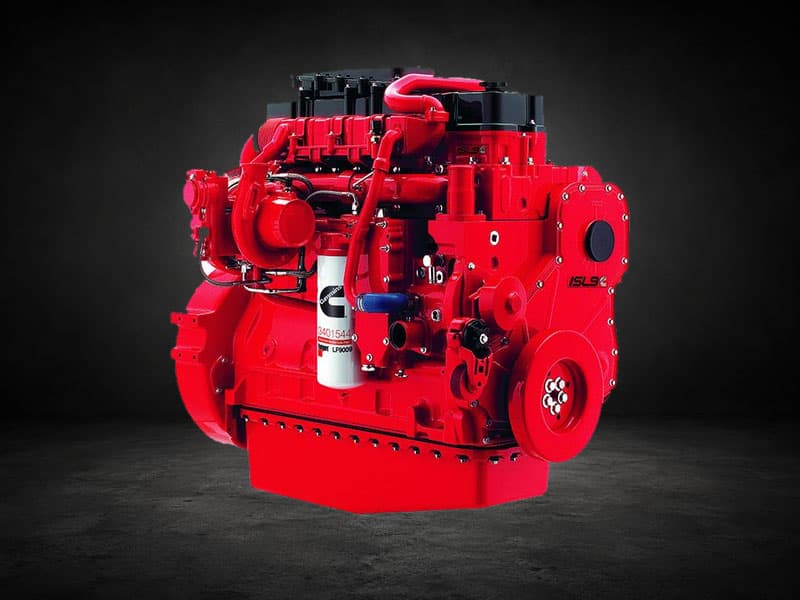
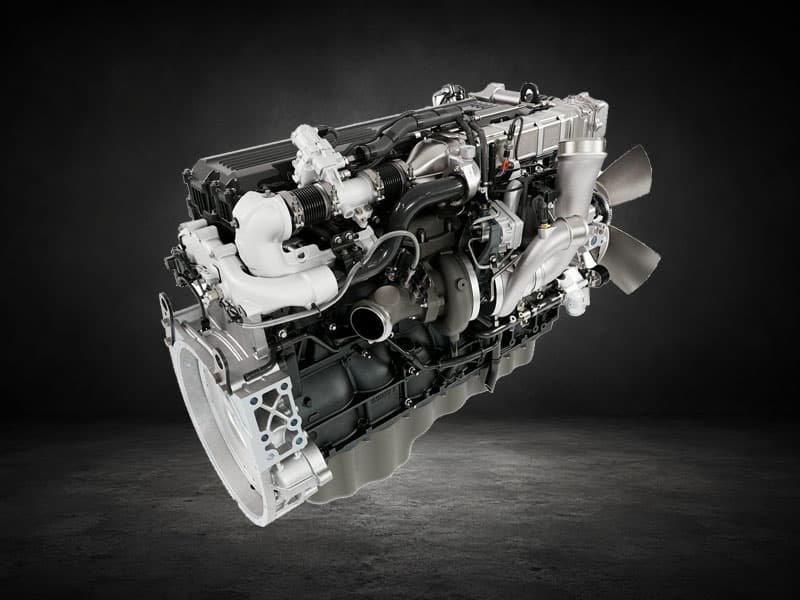
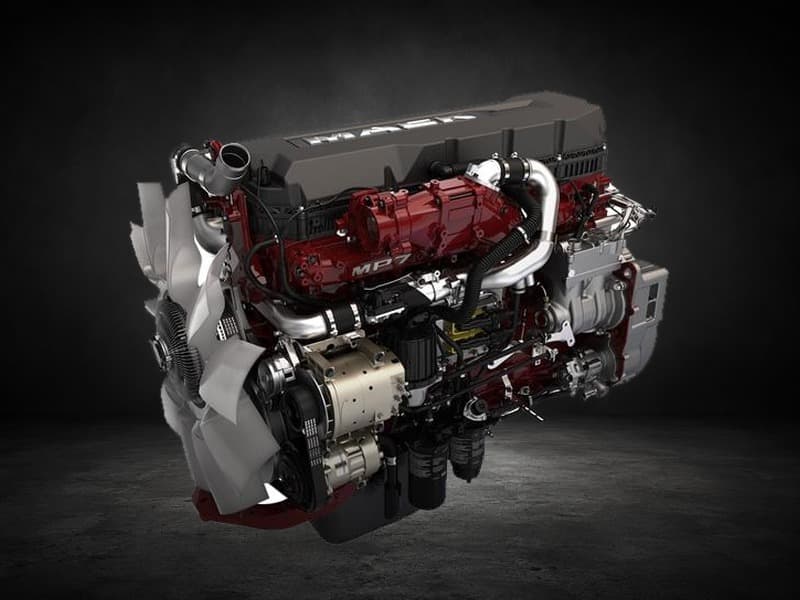
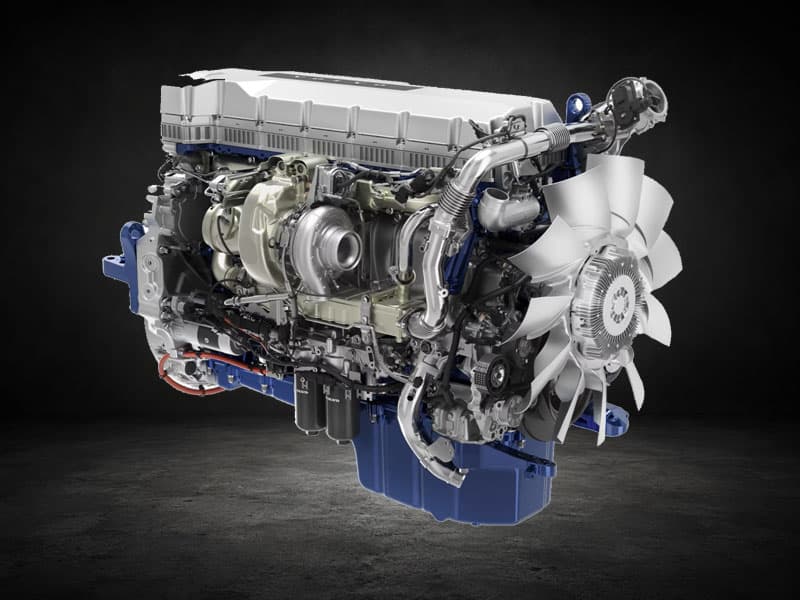
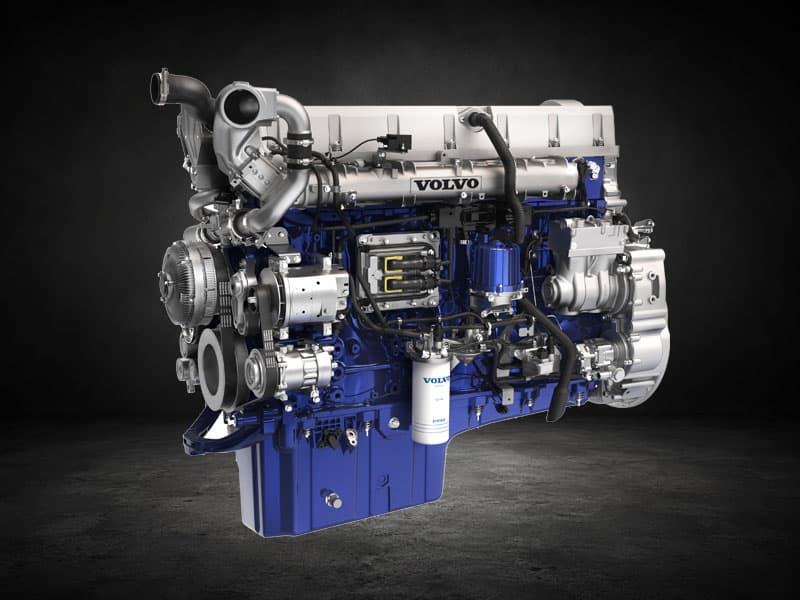
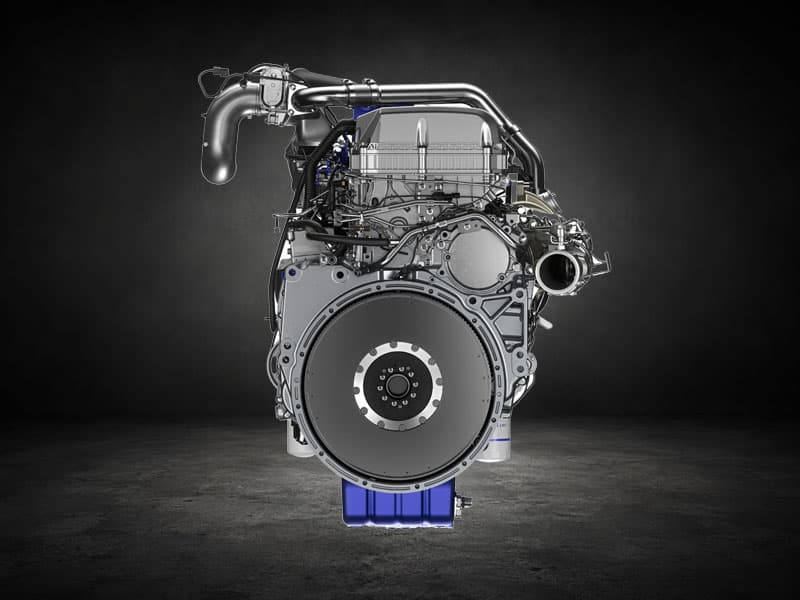
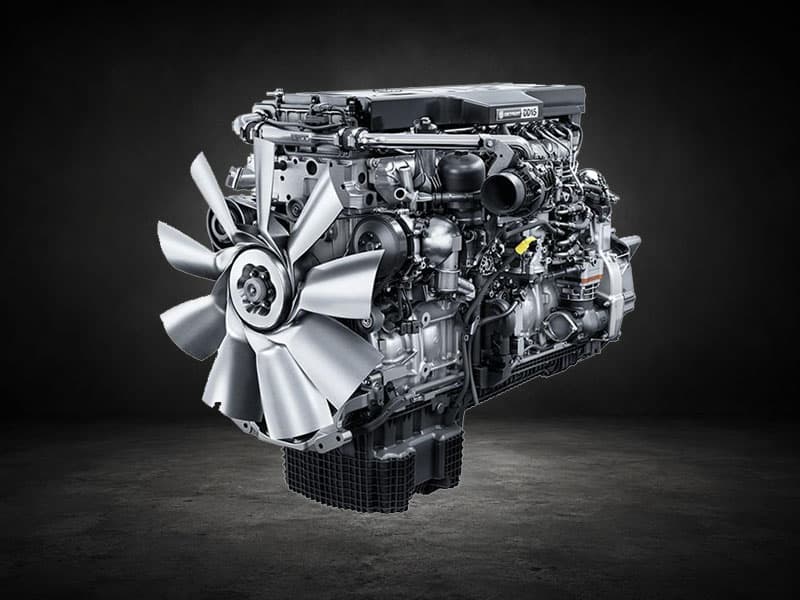
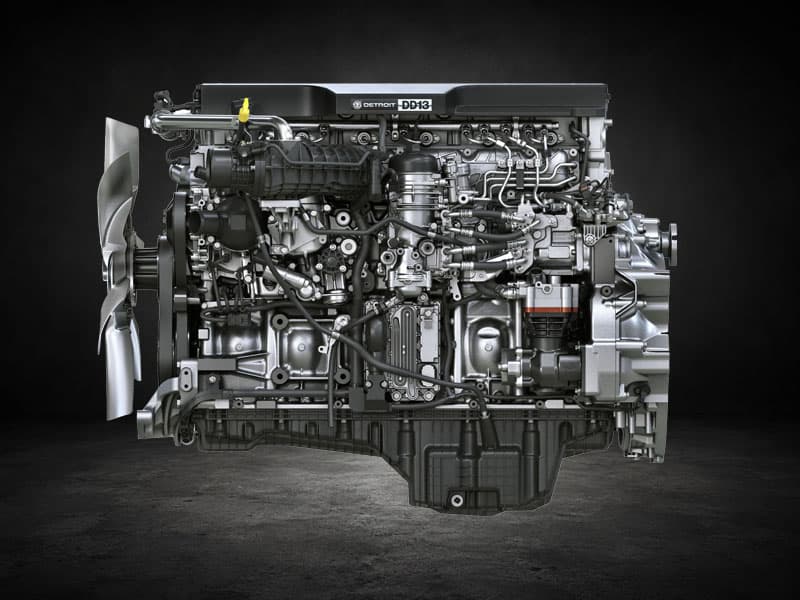
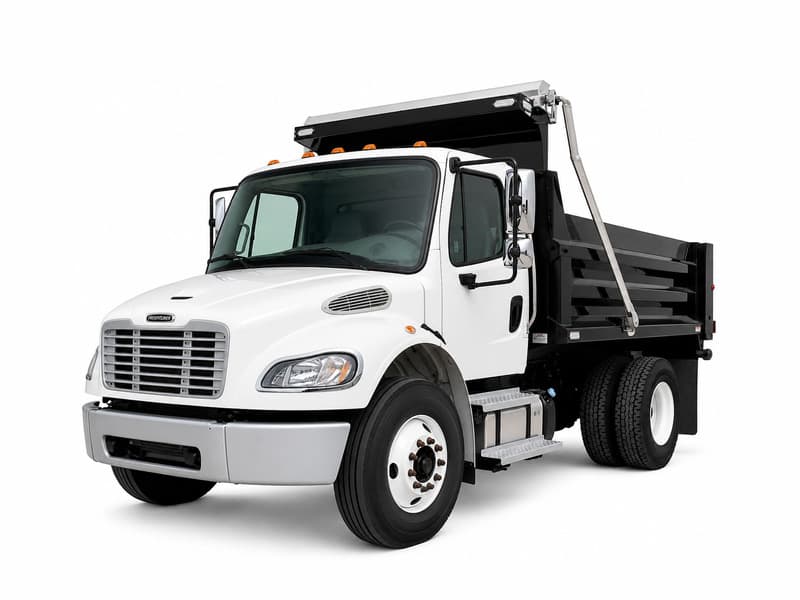
The Freightliner Business Class M2 112 is the heavy-spec variant of Freightliner's medium-duty M2 platform — Class 7 vocational chassis built to accommodate heavier duty cycles, larger engines, and the broader operational demands that the lighter M2 106 isn't spec'd for. The 112 designation reflects the chassis's heavier specification, and the engine options shift accordingly: Detroit DD13 as the primary modern option (with the DD13 anchoring the truck across most of its modern emissions-era production), with Cummins ISL 9 as the alternative platform for fleet customers preferring Cummins.
The M2 112 has been in production since the early 2000s, with the Detroit DD13 option arriving with the EPA 2010 emissions era. The platform appears across vocational fleet operations, fire and EMS apparatus, refuse collection in lighter Class 7 configurations, utility service truck applications, and the broader Class 7 vocational fleet population where the M2 106 is too light and a Class 8 vocational chassis is more truck than the application requires.
Why M2 112 Trucks Come To Our Bench
M2 112 calibration work is dominated by Detroit DD13 platform issues that show up across the broader DD13 application population, plus the specific operational stress patterns produced by Class 7 vocational duty:
Detroit DD13 DPF derate on vocational duty. Standard DD13 pattern, amplified by the operational stress of Class 7 vocational service. Refuse trucks, fire apparatus, utility service trucks, and dump trucks built on M2 112 chassis produce duty cycles that the DD13 calibration doesn't handle gracefully. Active regen cycles trigger constantly. Soot accumulates. Derate hits in the 200,000-350,000 mile window depending on application severity.
DEF dosing failures on DD13 EPA 2010 builds. Standard post-2010 pattern across the Detroit Diesel platform. M2 112 trucks with DD13 power show DEF system failures clustering past 250,000-400,000 miles in vocational service. NOx sensor drift, SCR catalyst efficiency drops, inducement countdowns that re-trigger after dealer service.
EGR cooler degradation typical of Detroit Diesel. Standard Detroit Diesel platform pattern, expressed in M2 112 applications. Coolant intrusion into intake, intermittent fault codes, eventual catastrophic failure if left untreated. The combination of vocational duty cycle stress and accumulated combustion byproducts produces predictable failure patterns by 300,000-400,000 miles.
Fire apparatus PTO-related issues. Fire apparatus built on M2 112 chassis with DD13 power produce a specific cluster of operational issues from sustained PTO duty during fire response operations. DPF derate during pump operations is the most operationally critical pattern — the engine derating during fire suppression is an immediate safety issue. Calibration work that adjusts derate logic and DPF pressure thresholds addresses this directly.
Calibration recovery on aging DD13 ECMs. DD13 modules occasionally end up corrupted after failed Detroit dealer flashes or partial calibration loads. We recover most modules without replacement.
Detroit DD13 Calibration Approach On The M2 112
DD13 calibration work uses Detroit's diagnostic ecosystem — DDDL (Detroit Diesel Diagnostic Link) for diagnostic access, with DD13-specific calibration libraries for programming work. The calibration libraries are M2 112 application-specific within the broader DD13 ecosystem — vocational chassis applications require different calibration approaches than fleet long-haul DD13 applications (Cascadia, Coronado) carry.
For each M2 112 customer, the intake conversation centers on identifying the specific application — fire apparatus, refuse truck, utility service truck, dump truck, fleet vocational — because the calibration approach depends meaningfully on the actual duty cycle. Stock fleet calibration assumes generic medium-heavy duty cycles; targeted calibration work matches actual operational reality.
Service Paths For M2 112 Programming
Ship-in is the most common path. Pull the DD13 ECM, ship to Fort Lauderdale, 2-3 day programming turnaround. Remote programming works for shops with Detroit DDDL access. On-site service is available for South Florida vocational fleet customers.
Quotes return same business day. Tell us the year, the engine (Detroit DD13 or Cummins ISL 9), the specific application (fire apparatus, refuse, utility service, dump truck, fleet vocational), and current fault codes. For fire departments specifically, we coordinate around operational priorities and provide rapid turnaround for apparatus that need to return to service quickly.
The M2 112 In Vocational Context
The M2 112 occupies a specific operational niche — Class 7 vocational chassis that handles applications too heavy for the M2 106 and too light to justify a full Class 8 vocational truck. The platform's Detroit DD13 power option pairs medium-heavy diesel capability with the chassis architecture suited to dedicated medium-duty vocational service. Our calibration work draws on the broader DD13 platform knowledge we maintain across Cascadia, Coronado, and M2 family applications, applied specifically to the M2 112's vocational operational reality.
For fire departments, utility cooperatives, refuse operations, and similar municipal and vocational customers operating M2 112 fleets, batch calibration work during routine maintenance windows is the standard approach. Multi-truck programming pricing applies, NDAs are routine, and scheduling coordinates with operational calendars — off-season cycles for refuse and utility work, training and maintenance windows for fire departments, project schedules for construction-related vocational fleets.