Delivery Fleet Operational Reality
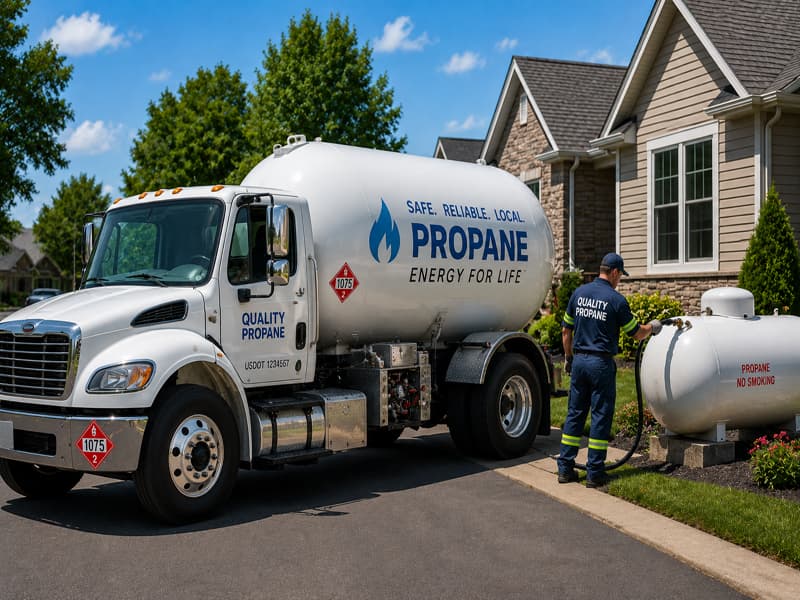
Propane and fuel delivery operations subject Class 6-8 trucks to a specific operational pattern that fleet calibrations don't fully anticipate. Daily delivery routes with multiple residential or commercial stops. Sustained PTO operation at each stop to pump product into customer tanks. Seasonal demand patterns where winter heating season produces operational tempo dramatically different from off-season. Cold-weather operation during the highest-demand operational periods. And operational reality where delivery commitments to customers — heating fuel during cold weather, propane for residential cooking and heating — don't accommodate truck failures gracefully.
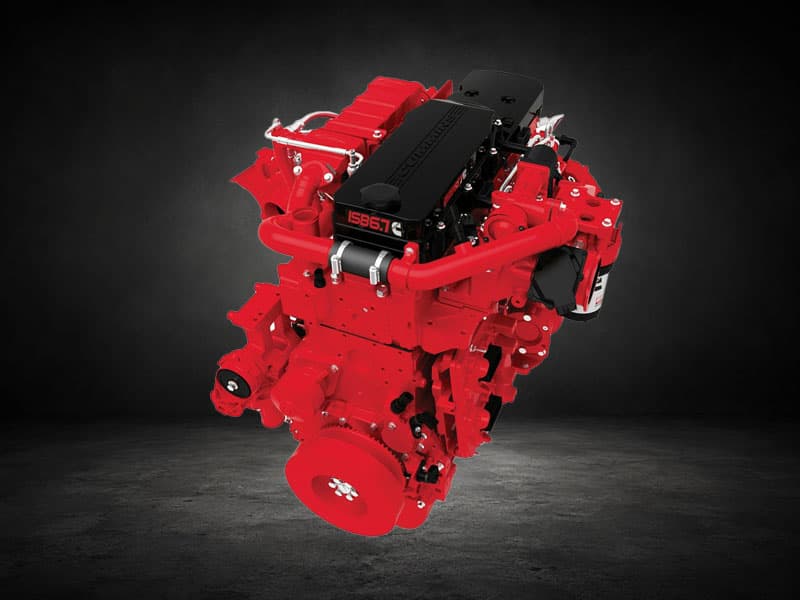
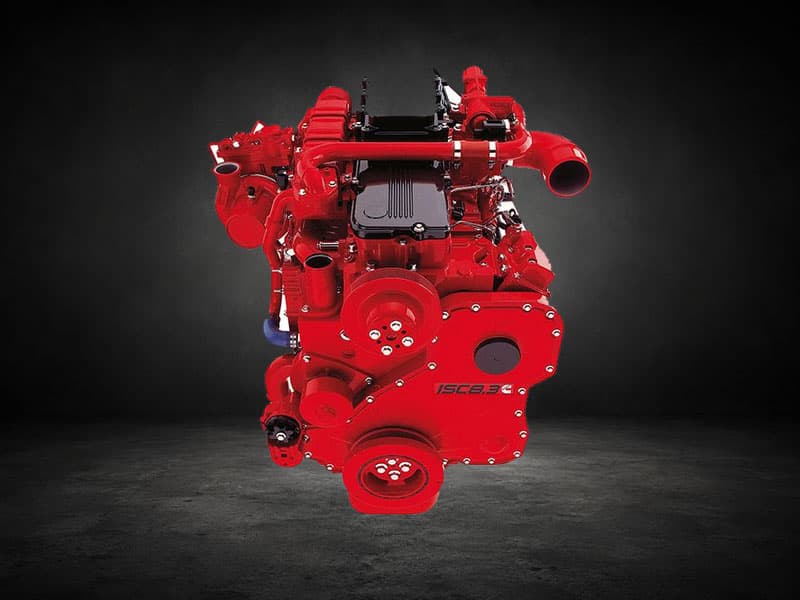
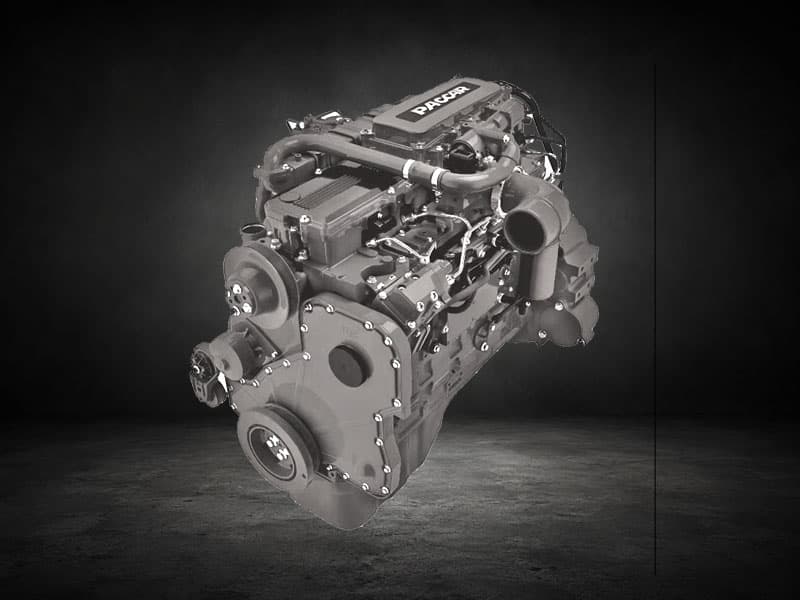
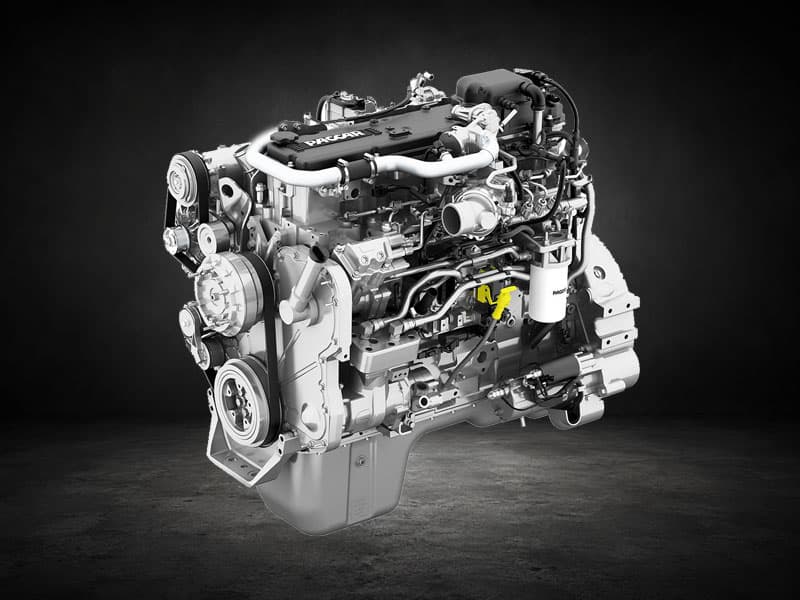
The fleet population reflects delivery operational reality. Propane bobtails on Class 6-7 chassis — Freightliner M2 106 with Cummins ISB 6.7, Kenworth T370 with Paccar PX-8 or PX-9 power, International medium-duty chassis with MaxxForce or Cummins power, Ford F-650 / F-750 propane delivery configurations. Fuel transports on Class 8 highway tractors for bulk transport between terminals. Commercial fuel delivery trucks for fleet refueling operations and industrial customer service.
What's Actually Killing These Trucks
Pumping PTO duty cycles. Propane bobtails and fuel delivery trucks run pump PTO at each delivery stop — typically 5 to 20 minutes per stop depending on delivery volume. Across a route with 15-25 stops per day, that's 2-7 hours of sustained PTO duty per shift. The thermal pattern produced by pumping operation differs from highway-cycle operation, and active regen cycles triggered during pumping rarely complete properly.
Cold-weather demand peaks. Propane and heating fuel demand peaks during the coldest weather of the year, which is exactly when DPF regen and DEF system performance are most stressed. Cold-start patterns, brief operational periods between stops, and ambient temperatures that don't support sustained passive regen all combine to produce aftertreatment failures clustering during peak demand season — when the fleet can least afford downtime.
Stop-start residential delivery patterns. Residential delivery routes produce stop-start patterns that aftertreatment hardware doesn't handle gracefully. Frequent ignitions, brief operational windows, sustained PTO at each stop — none of this matches the highway-cycle assumption baked into fleet calibrations.
Off-season storage and seasonal stress. Some propane delivery fleets see substantial seasonal demand variation, with portions of the fleet sitting through summer and returning to active service in fall. The seasonal storage pattern stresses DEF systems and aftertreatment hardware in ways that consistent year-round operation doesn't.
What Calibration Work Can Do
For propane and fuel delivery fleets staying compliant with emissions requirements, recalibration work targets the specific delivery operational reality. Modified regen logic that accounts for pumping PTO duty cycles. Adjusted DPF pressure thresholds that don't trigger spurious derate during pump operations. Recalibrated DEF dosing strategies that account for cold-weather operation and seasonal patterns. Inducement countdown clearing after aftertreatment hardware service.
For propane and fuel delivery fleet operators facing recurring aftertreatment-driven service issues across the fleet during peak heating season, calibration work that addresses the root operational cause typically delivers better long-term operational economics than continuing the dealer-side aftertreatment hardware replacement cycle.
Calibration recovery on bricked ECMs is also routine delivery fleet work — particularly for older fleet inventory facing thinning dealer support for the specific engine platforms involved.
Delivery Fleet Operational Reality
Propane and fuel delivery businesses operate under customer service commitments that don't accommodate truck failures during peak heating season. A residential customer without heating fuel during cold weather is a customer who may switch providers next season. A commercial customer whose delivery doesn't arrive on schedule may face their own operational issues that affect their willingness to continue the supplier relationship. Recurring aftertreatment-driven service issues during peak demand affect both operational economics and customer retention.
We work with propane and fuel delivery operators ranging from small regional propane companies running 5-10 bobtails through large regional and national fuel distribution operations with substantial fleet inventory. Multi-truck pricing applies, NDAs are routine, and scheduling typically coordinates with off-season windows — calibration work during summer and early fall when heating demand is at its annual minimum.
Service Paths For Delivery Fleet Programming
Ship-in is the most common path. Pull the ECM, ship to Fort Lauderdale, 2-3 day programming turnaround. Remote programming works for shops with appropriate diagnostic software. On-site service is available for South Florida fleet customers.
Quotes return same business day. Tell us the year, the engine, the trucks involved, the operational situation (residential propane delivery, commercial fuel delivery, bulk fuel transport), and what you want out of the work. For delivery fleet operators scheduling work ahead of heating season, summer and early fall programming windows work well, and batch fleet pricing applies.
Heating Season Scheduling
Most propane and fuel delivery fleet calibration work happens during off-season — late spring through early fall, when daily delivery demand is at its annual minimum. This timing lets operators batch programming work across multiple trucks during a window that doesn't disrupt operational tempo, and gives the fleet time to validate the calibration work before peak demand arrives. For fleets planning ahead of heating season, an early summer programming engagement allows time for both the work itself and operational verification before the fall demand ramp begins.
Bulk fuel hauling operations (Class 8 transport tractors moving between terminals) follow different scheduling patterns since their demand is less strictly seasonal. For these customers, programming schedules typically align with routine fleet maintenance windows rather than seasonal demand cycles.