
Wet Waste Operations Are Different From Refuse
Waste sanitation operations — septic pumping, sewer service, vacuum truck operations, hydro-excavation, grease trap service, port-a-potty service, industrial waste collection — share some operational characteristics with refuse hauling but have distinct duty cycles that produce their own specific aftertreatment failure patterns. Where refuse trucks face packer-cycle PTO loads, waste sanitation trucks face vacuum pump and pressure pump operations that run for hours at a time at sustained loads. Where refuse trucks see urban stop-and-go between collection points, waste sanitation trucks see longer transit between fewer service stops with extended PTO duty at each stop.
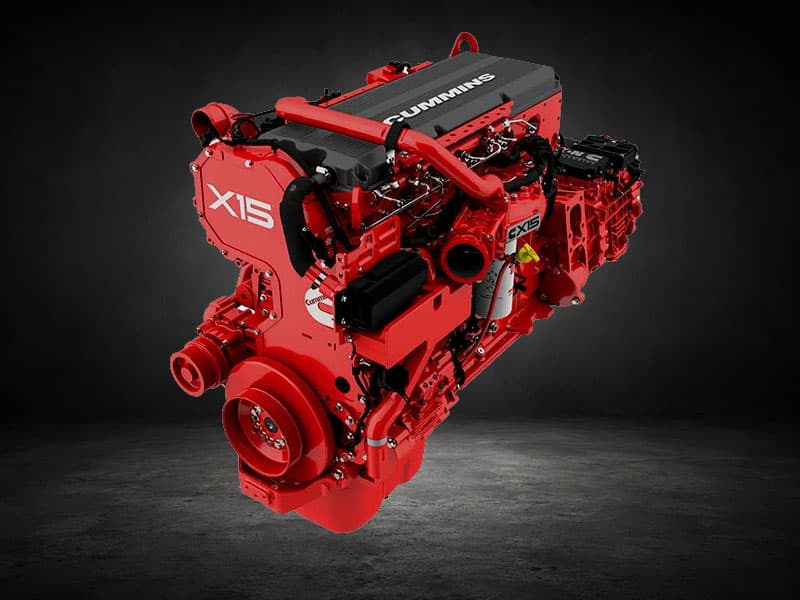
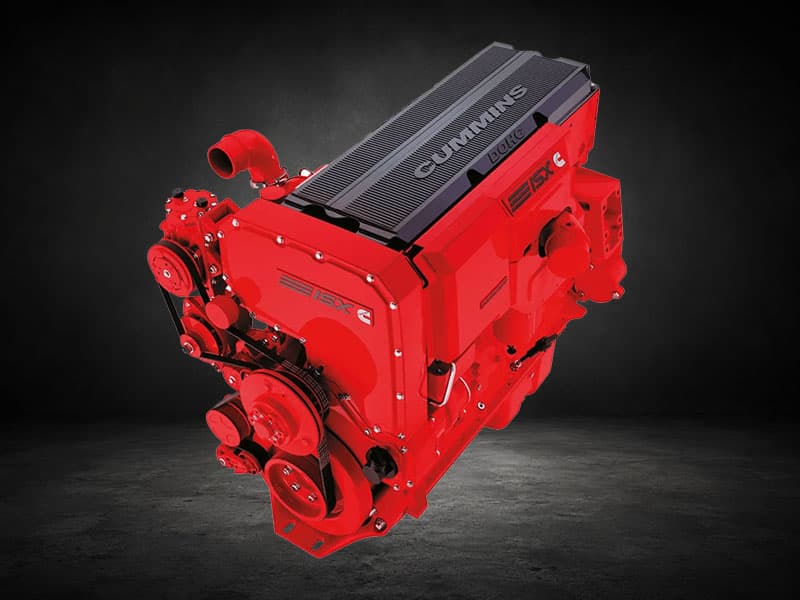
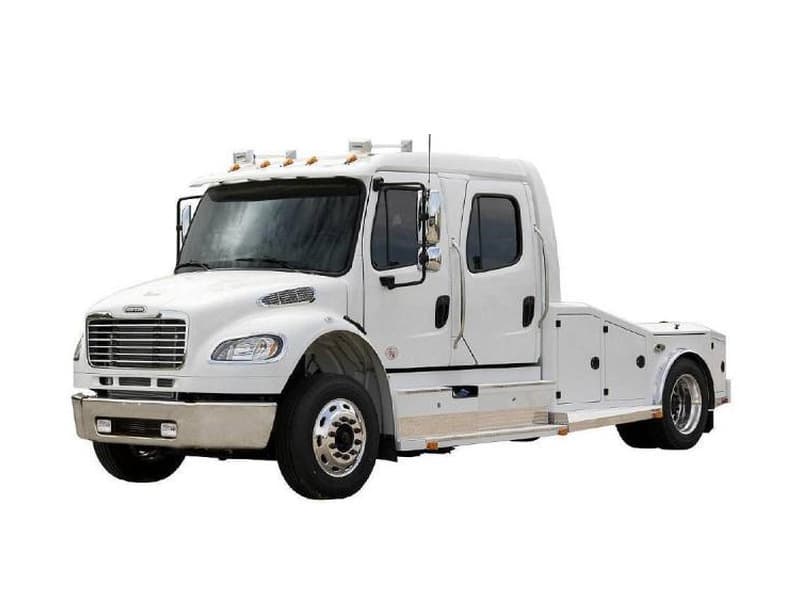
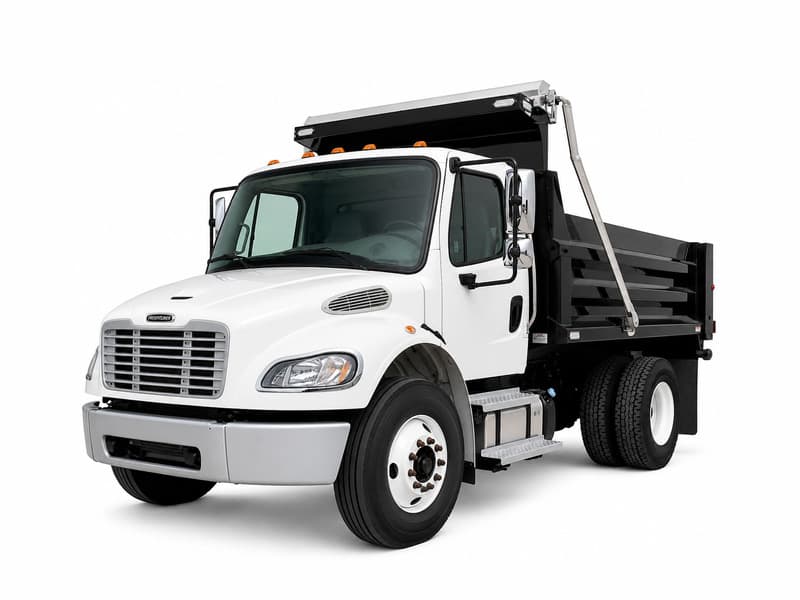
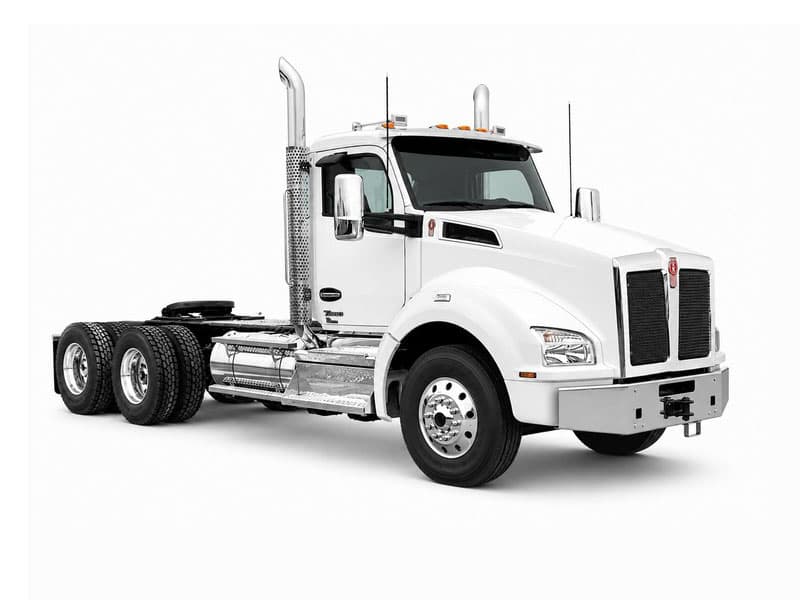
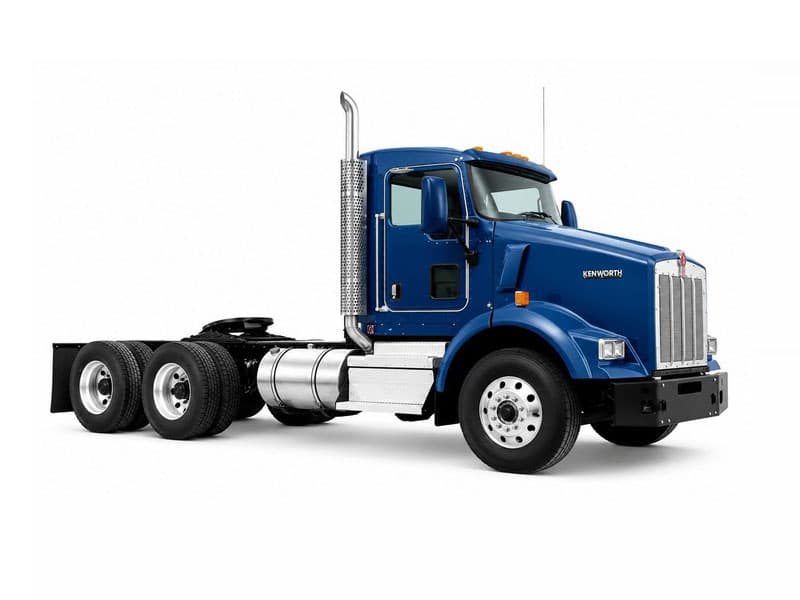
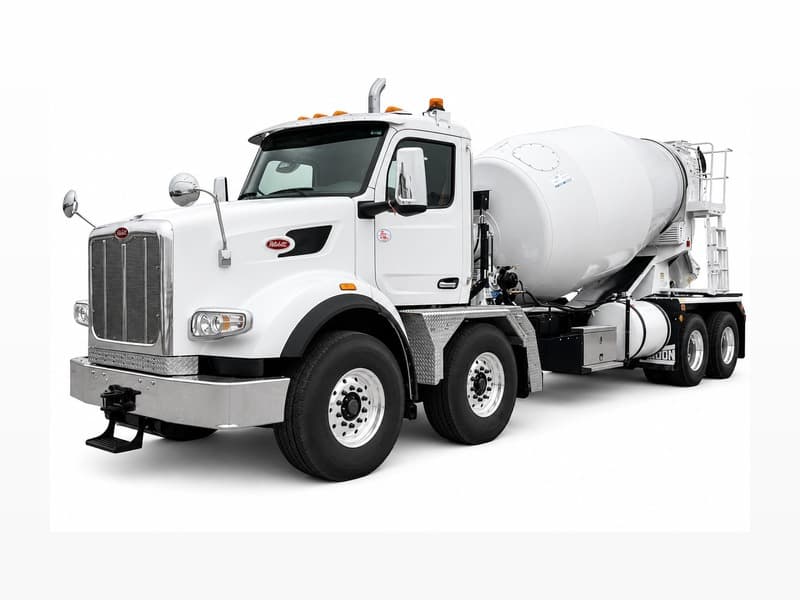
The fleet population reflects these operational realities. Vacuum trucks on Peterbilt 567, Kenworth T880, Mack Granite, and Freightliner M2 112 chassis with Cummins ISL 9 or X15 power. Septic pumping trucks on lighter Class 7 vocational chassis. Sewer service trucks with high-pressure water and vacuum capability. Hydro-excavation units for utility location work. The brand varies. The PTO-heavy operational reality is consistent.
What's Actually Killing These Trucks
Extended vacuum-pump PTO operation. Septic and sewer service operations involve sustained vacuum pump operation — typically 30 minutes to 2 hours at each service stop. The pump load is heavy, the engine RPM stays elevated, but the truck is stationary. Exhaust temperatures produced during vacuum operation are different from highway-cycle temperatures. Active regen cycles trigger during vacuum operation but rarely complete properly because the thermal pattern isn't what the regen logic expects.
DPF derate during pump operations. Engine derate triggered by DPF pressure during vacuum or pressure pump operation is operationally critical for waste sanitation work. The truck needs to deliver rated pump performance for service completion; derate that takes pump capability away mid-job is the recurring operational pain point that drives most waste sanitation calibration conversations.
Cumulative aftertreatment stress from chemical exposure. Waste sanitation operations expose the truck to wastewater chemistry — methane, hydrogen sulfide, sewage gases, and the broader range of chemistry present at sanitation sites. Aftertreatment hardware doesn't tolerate this exposure well, and component degradation accumulates over operational years.
DEF system failures on post-2010 builds. Standard pattern intensified by the operational stress of waste sanitation duty. DEF dosing failures cluster on waste sanitation trucks earlier than mileage-based comparisons would suggest because the operational profile produces more sustained stress on DEF dosing components per mile.
What Calibration Work Can Do
For waste sanitation trucks dedicated to off-road service (some industrial sanitation operations, dedicated treatment plant service), combined DPF, EGR, and SCR delete eliminates the aftertreatment failure surface and lets the engine deliver consistent pump performance under all operational conditions.
For waste sanitation trucks staying in compliant on-road service — which is most municipal and commercial sanitation operations — recalibration matched to the actual duty cycle delivers meaningful improvements. The work includes adjusted regen logic for vacuum-pump operational patterns, modified DPF pressure thresholds that don't trigger spurious derate during pump operations, recalibrated DEF dosing strategies for PTO-heavy duty cycles, and inducement countdown clearing after aftertreatment hardware service.
Calibration recovery on bricked ECMs is also routine waste sanitation fleet work — modules corrupted by failed dealer flashes, modules pulled from salvage cores for transplant, or modules that have stopped responding after years of demanding service.
Waste Sanitation Operational Reality
Waste sanitation businesses operate under service guarantees that don't accommodate truck failures gracefully. A septic truck that can't complete the scheduled service means the property owner calls a competitor next time. A municipal sewer service truck that fails mid-job leaves a problem half-addressed. Recurring aftertreatment-driven service issues directly affect business reputation and customer retention, which makes the operational economics of recurring dealer-side aftertreatment service increasingly hard to justify.
We work with waste sanitation operators ranging from small owner-operator septic pumping businesses through large municipal sanitation operations with substantial truck fleets. Multi-truck pricing applies for fleet relationships, NDAs are routine, and scheduling typically coordinates with seasonal operational patterns where applicable.
Service Paths For Waste Sanitation Fleet Programming
Ship-in is the most common path. Pull the ECM, ship to Fort Lauderdale, 2-3 day programming turnaround. Remote programming works for shops with appropriate diagnostic software. On-site service is available for South Florida fleet customers.
Quotes return same business day. Tell us the year, the engine, the trucks involved (vacuum truck, septic pumper, sewer service, hydro-excavation), and current operational situation. For waste sanitation operators batching ECM work during seasonal downtime or fleet maintenance windows, fleet pricing applies.
The Distinction From Refuse Operations
Waste sanitation and refuse hauling are sometimes treated as the same category, but the operational realities differ enough that the calibration approaches diverge meaningfully. Refuse hauling involves frequent stops with relatively brief PTO duty at each stop (packer cycle), accumulating substantial cold-start cycles and short-cycle thermal patterns. Waste sanitation involves fewer stops with extended PTO duty at each stop, producing sustained-load thermal patterns that differ from refuse-cycle aftertreatment stress.
For operators running mixed fleets — refuse trucks alongside vacuum trucks alongside sewer service trucks — we apply calibration approaches matched to each truck's specific operational pattern rather than treating the entire fleet as a single category. The fleet-level pricing accommodates this complexity, and the calibration outcomes match the specific operational reality each truck faces.