
Airport Shuttle Operational Reality
Airport shuttle operations subject diesel transit vehicles to one of the most demanding 24/7 duty cycles in commercial vehicle service. Continuous operation through morning rush, midday lull, evening peak, and overnight runs. Short cycles between terminal stops, parking lot pickups, and rental car returns. Sustained idle at terminal curbsides while passengers board and luggage loads. Climate control loads for passenger comfort in every climate. And operational reality where shuttle service reliability directly affects passenger experience for travelers who often have tight connections to make.
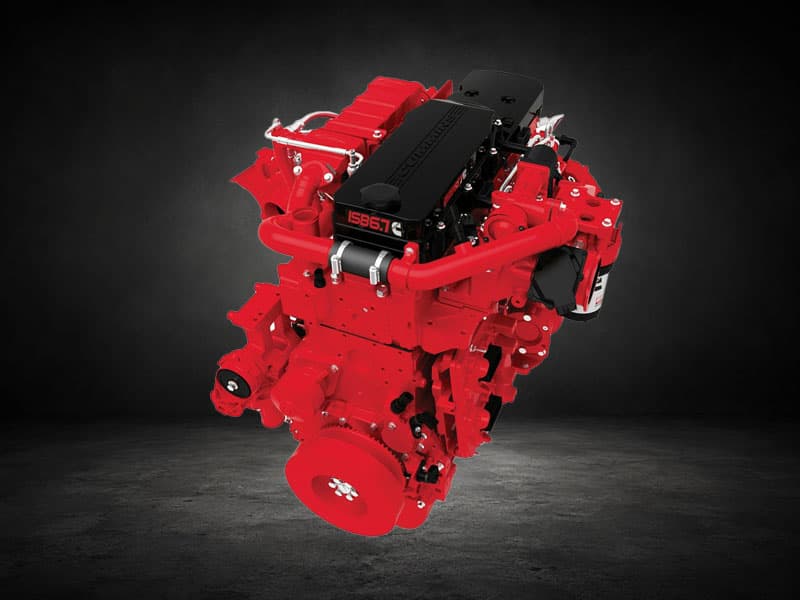
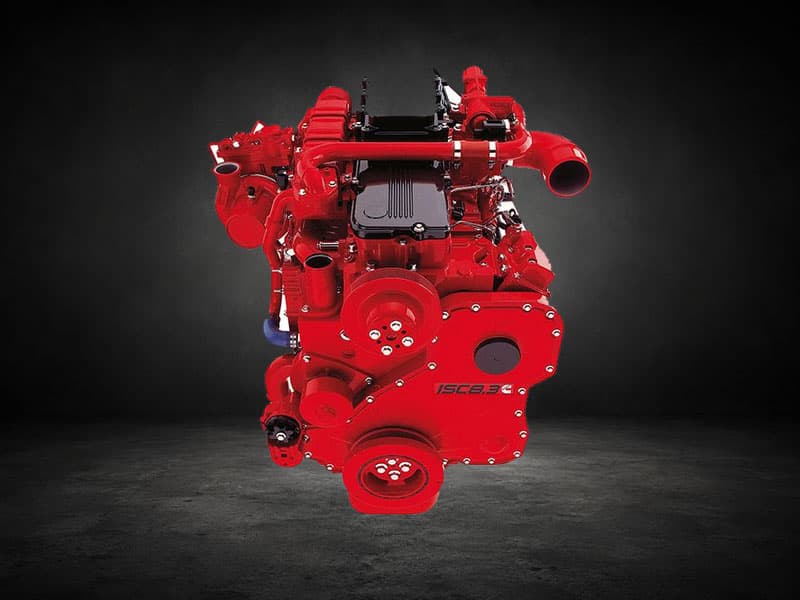
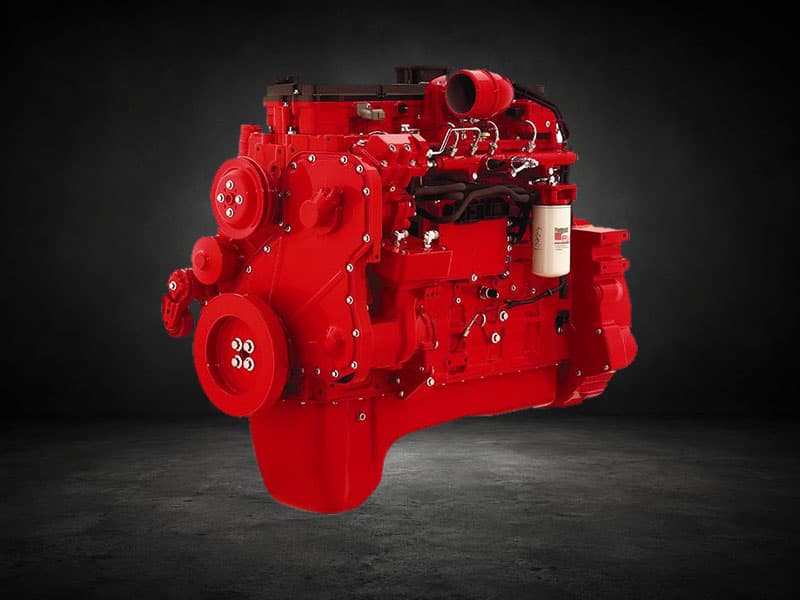
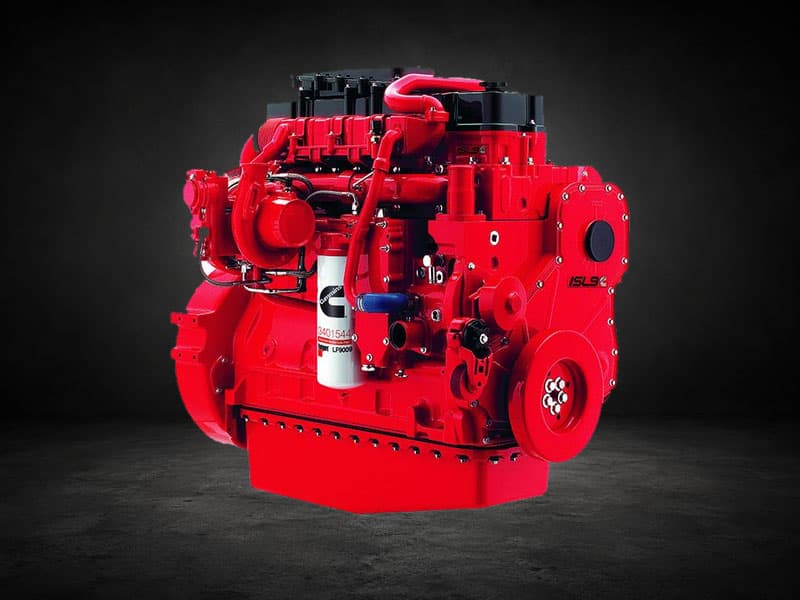
The fleet population reflects shuttle operational reality. Medium-duty cutaway shuttles on Ford E-450 / F-550 chassis with Power Stroke or Cummins ISB power. Larger transit-style shuttles on Freightliner M2 106 or Kenworth T370 chassis with Cummins ISB or ISL power. Rental car transfer buses on similar chassis configurations. Hotel shuttle fleets, off-airport parking shuttles, and airport employee shuttles each running their own variations of these chassis platforms.
What's Actually Killing These Shuttles
Short-cycle DPF derate. Airport shuttle routes between terminals, parking lots, and rental car facilities rarely give the DPF the sustained operating conditions required for passive regen. Active regen cycles trigger constantly without completing because the routes are short and the operating conditions don't sustain regen heat. Soot accumulates faster than highway-cycle assumptions predict, with derate clustering at relatively modest mileage figures because the actual operational hours are much higher.
24/7 operation accumulates hours fast. Airport shuttles operating continuously through 24/7 schedules accumulate engine hours at rates that the calibration's mileage-based logic doesn't anticipate. A shuttle running 18-22 hours per day accumulates substantially more operational stress per road mile than a typical fleet truck, and aftertreatment issues cluster accordingly.
Curbside idle stresses DEF systems. Extended curbside idle while passengers board and luggage loads produces sustained idle thermal patterns. DEF dosing system stress accumulates faster on shuttle operations than on transit operations with similar mileage. Cold-weather operation in northern airports adds the standard DEF crystallization patterns.
Climate control loads affect operational character. Passenger comfort requirements mean shuttle vehicles run climate control across virtually all operating conditions. The climate control load affects engine operational pattern, particularly at idle, and contributes to the aftertreatment thermal management challenges shuttle fleets face.
What Calibration Work Can Do
For airport shuttle fleets staying compliant with emissions requirements, recalibration work targets the specific 24/7 short-cycle operational reality. Modified regen logic that accounts for short-cycle route patterns and high-hour-low-mileage accumulation. Adjusted DPF pressure thresholds that don't trigger spurious derate during normal shuttle operation. Recalibrated DEF dosing strategies for sustained curbside idle patterns. Inducement countdown clearing after aftertreatment hardware service.
For airport shuttle fleet operators dealing with batch aftertreatment-driven service issues across the fleet — which is the typical operational reality for established airport shuttle operations as their fleet ages past 200,000-300,000 miles per shuttle with proportionally higher engine hours — calibration work that addresses the root operational cause delivers better long-term operational economics than continuing the dealer-side hardware replacement cycle.
Calibration recovery on bricked ECMs is also routine airport shuttle fleet work.
Shuttle Fleet Operational Reality
Airport shuttle services operate under service level expectations that the traveling public has come to assume — frequency, reliability, and basic operational dependability that make shuttle service usable for time-sensitive airport access. A shuttle that breaks down mid-route leaves passengers stranded with flights potentially in jeopardy, which creates customer service issues that affect shuttle operator reputation directly. Recurring aftertreatment-driven service issues affect both operational economics and service reputation.
We work with airport shuttle operators ranging from small hotel shuttle operations through large rental car shuttle fleets at major airports. Multi-shuttle pricing applies, NDAs are routine, and scheduling typically coordinates with the operator's maintenance rotation pattern. Most large shuttle operations rotate vehicles through maintenance windows continuously, which works well with our 2-3 day ship-in turnaround.
Service Paths For Airport Shuttle Programming
Ship-in is the most common path. Pull the ECM, ship to Fort Lauderdale, 2-3 day programming turnaround. Remote programming works for shops with appropriate diagnostic software. On-site service is available for South Florida shuttle operators — and Miami International Airport, Fort Lauderdale-Hollywood International, and Palm Beach International all have substantial shuttle operations that we support locally.
Quotes return same business day. Tell us the shuttle chassis, engine, year, fleet size, and operational situation. For ongoing shuttle fleet relationships, fleet-level pricing applies and we coordinate scheduling around the operator's maintenance rotation.
Hours-Based Vs Mileage-Based Operational Reality
One of the most consistent patterns in airport shuttle calibration work is the mismatch between mileage figures and actual operational stress. A shuttle running 18-22 hours per day for years accumulates massive engine hours relative to mileage compared to typical fleet trucks. The aftertreatment system has seen orders of magnitude more thermal cycling, more idle hours, more start-stop transitions than a comparable-mileage highway truck. The calibration's mileage-based regen scheduling and DEF system protection thresholds were designed around assumptions that simply don't apply to shuttle operational reality.
Hours-based recalibration that accounts for actual operational tempo — rather than the mileage-based heuristics that the original calibration relied on — addresses this mismatch directly. The recalibrated logic produces more accurate aftertreatment system response, fewer spurious derate events, and longer practical service intervals between aftertreatment hardware service.