Concrete Has A Schedule
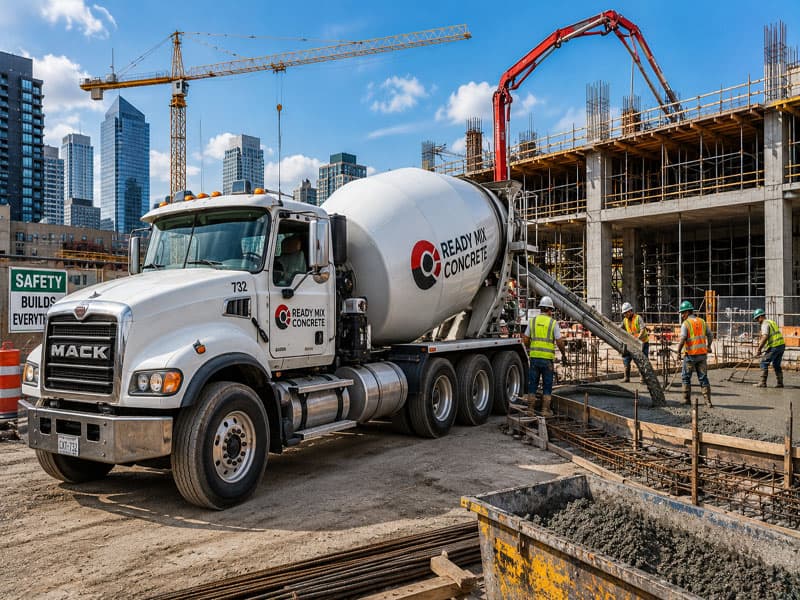
Ready-mix concrete delivery operates under a clock that no other vocational fleet faces in quite the same way. Concrete has a working life from the moment water is added at the batch plant — typically 90 minutes before the material starts to set unusably. From batch plant to job site to placement, the operational sequence has to complete within that window or the load becomes scrap. This time pressure shapes every operational decision: route planning, truck dispatching, jobsite scheduling, and especially fleet reliability. An aftertreatment derate that takes a loaded mixer out of operation mid-route doesn't just delay the delivery — it potentially destroys the load and creates contractual issues with the receiving contractor.
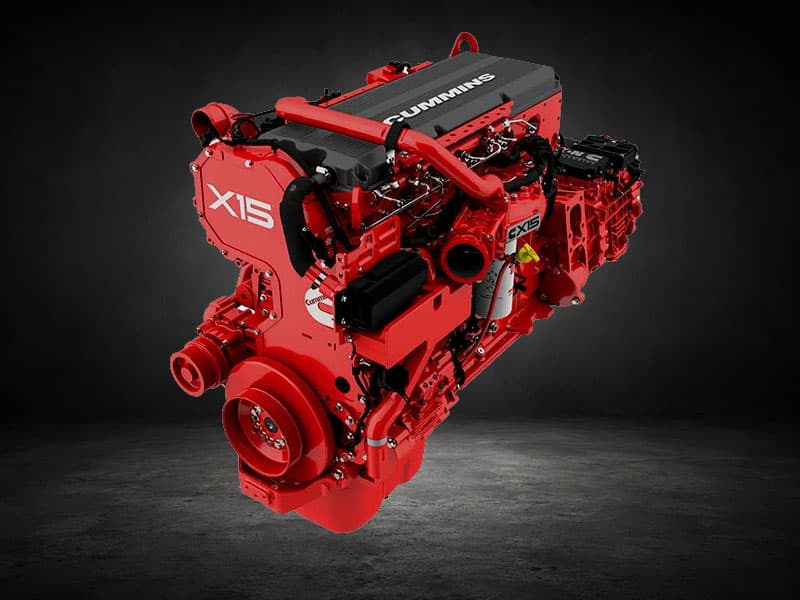
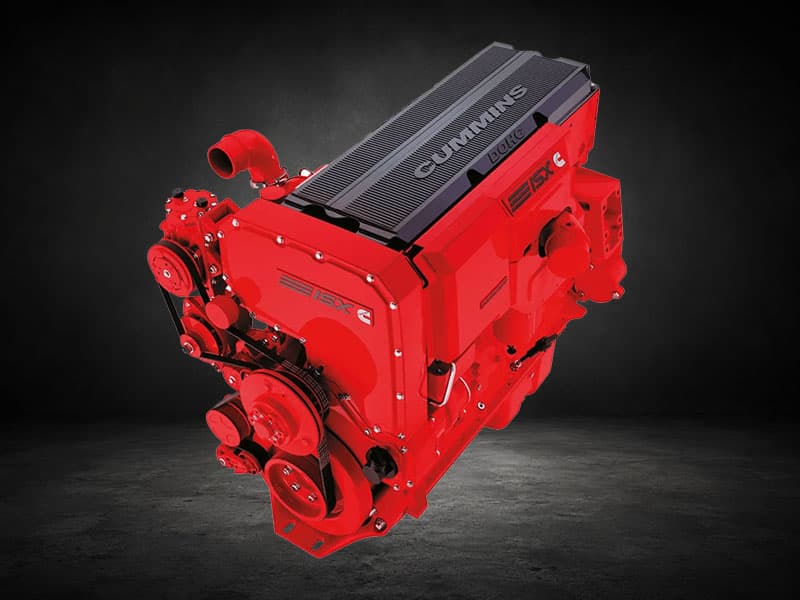
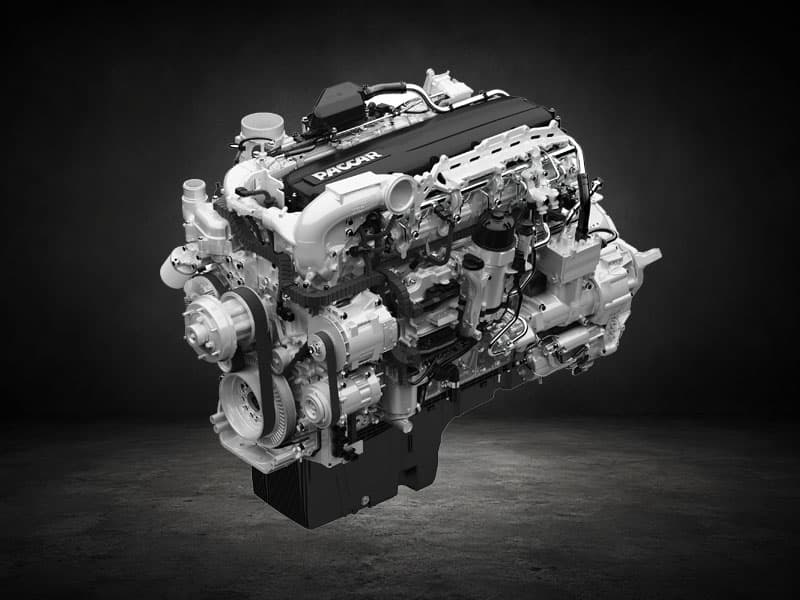
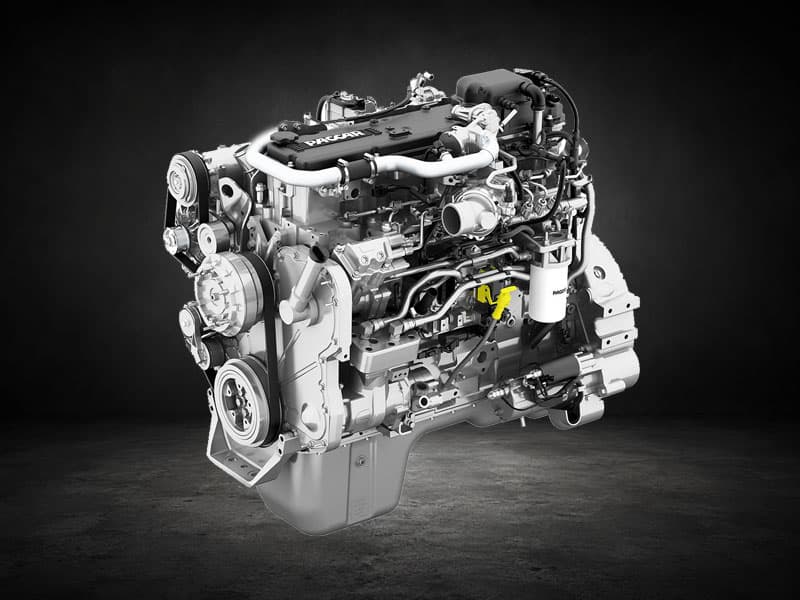
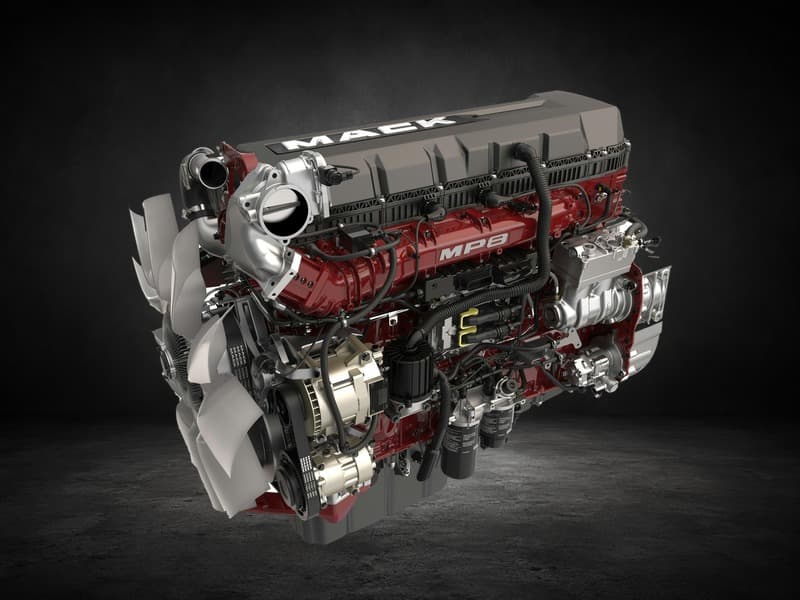
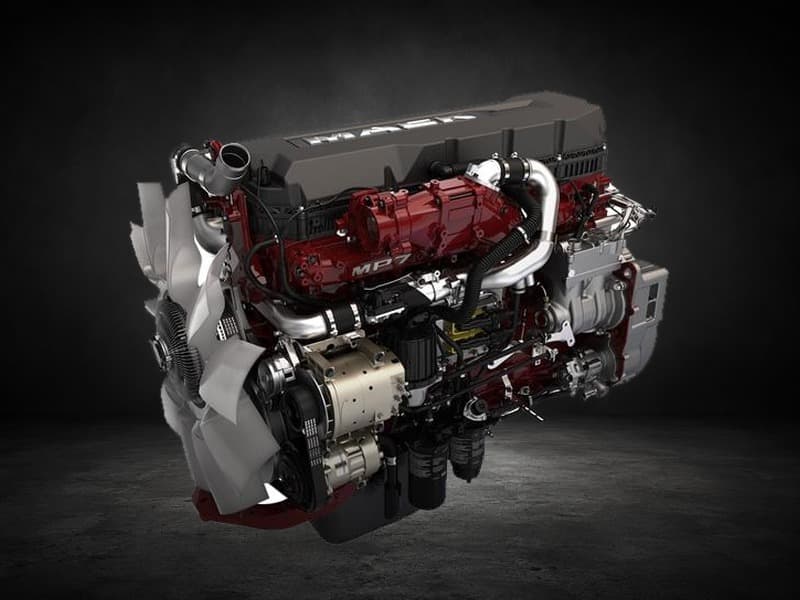
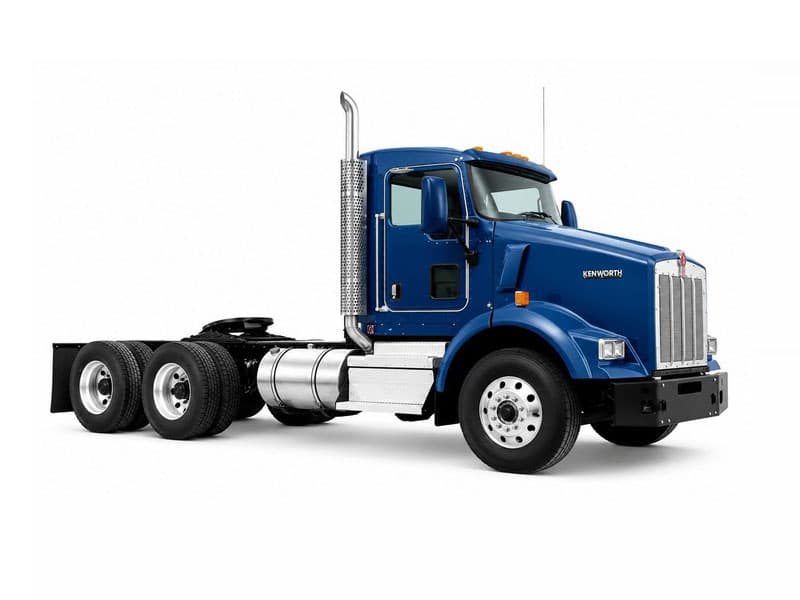
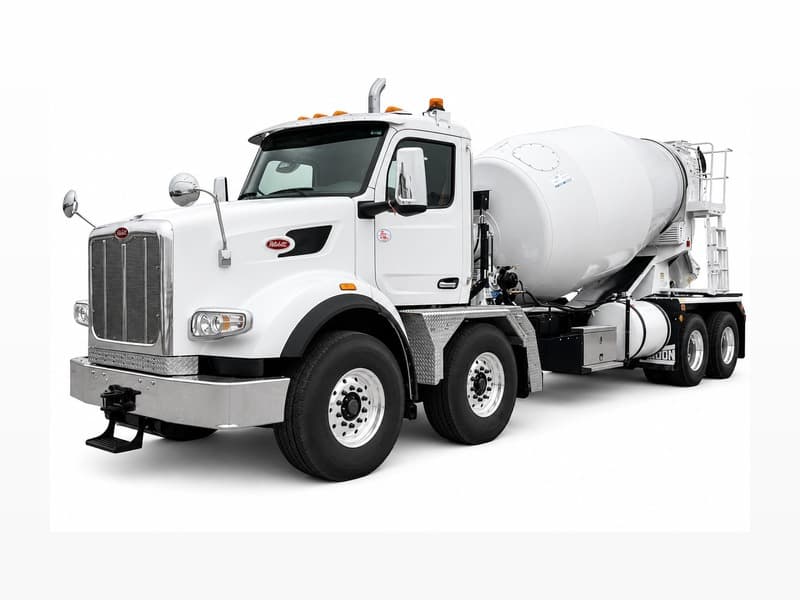
The fleet population reflects the operational reality. Heavy vocational chassis configured as mixer trucks — Kenworth T880 and T800, Peterbilt 567, Mack Granite, Freightliner 114SD and 122SD — with Cummins X15 or ISX, Paccar MX-13, Mack MP7 or MP8 power. The chassis is spec'd specifically for the demands of ready-mix operations: drum rotation PTO duty, heavy gross weight, frequent stops at job sites, sustained idle during pour operations.
What's Actually Killing These Trucks
Drum rotation PTO duty. Mixer drums rotate continuously from the moment of loading at the batch plant through delivery and placement at the job site. This produces sustained PTO duty at the engine — typically 2-4 hours per delivery cycle depending on transit and placement time. The thermal pattern produced by drum rotation differs from highway-cycle operation, and active regen cycles triggered during transit rarely complete properly.
DPF derate during pour operations. Engine derate triggered by DPF pressure during concrete placement is operationally critical. The mixer needs to deliver consistent drum rotation for concrete discharge; derate that takes that capability away mid-pour can destroy the load and create safety issues at the placement site. This is the recurring operational pain point that drives most ready-mix fleet calibration conversations.
Frequent jobsite idle. Mixer trucks at job sites spend significant time idling — waiting for pour authorization, waiting for jobsite access, waiting between consecutive pours when multiple trucks are queued. The idle time produces aftertreatment thermal patterns that don't support passive regen, and the cumulative effect across operational years produces predictable DPF derate clustering.
DEF system failures on post-2010 builds. Standard pattern across the ready-mix fleet population. DEF dosing valves fail past 250,000-400,000 miles in fleet service, with the timeline accelerated by sustained PTO duty cycles.
What Calibration Work Can Do
For ready-mix fleet operators staying compliant with emissions requirements (which is virtually all of them given the regulatory environment around construction-adjacent operations), recalibration work targets the specific ready-mix duty cycle reality. Modified regen logic that accounts for drum-rotation PTO operational patterns. Adjusted DPF pressure thresholds that don't trigger derate during pour operations. Recalibrated DEF dosing strategies for PTO-heavy duty cycles. Inducement countdown clearing after aftertreatment hardware service.
For ready-mix fleet operators dealing with batch aftertreatment-driven service issues across the fleet — which is the typical operational reality for established ready-mix operations as their fleet ages past 300,000-400,000 miles per truck — calibration work that addresses the root operational cause typically delivers better long-term operational economics than continuing the dealer-side hardware replacement cycle.
Calibration recovery on bricked ECMs is also routine ready-mix fleet work.
Ready-Mix Fleet Operational Reality
Ready-mix operations live and die by delivery schedule reliability. A construction project depending on a 6 AM pour can't accommodate a mixer truck that's down for dealer-side aftertreatment service. The contractor builds the pour schedule around the assumption that the mixer fleet will deliver on schedule; when that assumption fails, the schedule cascade affects every related trade on the project. Recurring aftertreatment-driven service issues directly affect contractor relationships, project scheduling reputation, and the broader business of repeat work in the construction market.
We work with ready-mix operators ranging from regional batch plant operations running 10-15 mixer trucks through large regional and national ready-mix operations with substantial mixer fleet inventory. Multi-truck pricing applies, NDAs are routine, and scheduling typically coordinates with seasonal patterns — winter and shoulder-season windows when construction tempo is lower work well for batch programming work.
Service Paths For Ready-Mix Fleet Programming
Ship-in is the most common path. Pull the ECM, ship to Fort Lauderdale, 2-3 day programming turnaround. Remote programming works for shops with appropriate diagnostic software. On-site service is available for South Florida fleet customers.
Quotes return same business day. Tell us the year, the engine, the trucks involved, and current operational situation. For ready-mix fleet operators batching ECM work during winter or shoulder-season windows when construction tempo is lower, fleet pricing applies and scheduling coordinates around the operational calendar.
The 90-Minute Window Drives Everything
The 90-minute concrete working life isn't a calibration consideration — it's the operational reality that frames every fleet decision a ready-mix operator makes. Truck reliability, route planning, fleet sizing, and equipment investment decisions all flow from the fundamental requirement that material has to move from batch plant to placement within the working window. Calibration work that addresses recurring aftertreatment-driven service interruptions speaks directly to that operational reality — fewer surprise derate events, more predictable fleet availability, lower variance in delivery schedule execution. For ready-mix operators, the conversation about calibration work usually centers on operational reliability rather than fuel economy or performance numbers, because reliability is what the business model actually requires.