Winter Service Operational Reality
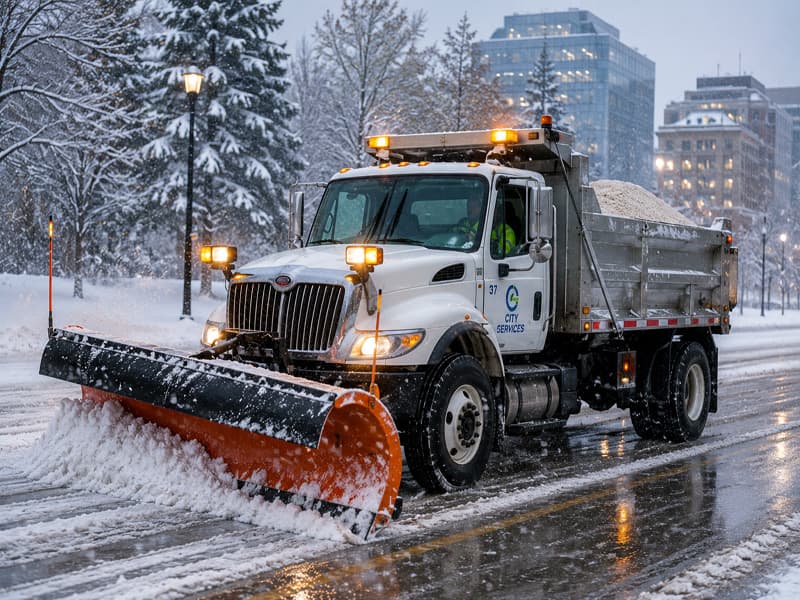
Snow plow and municipal winter service operations subject Class 8 trucks to operational stress that fleet calibrations don't anticipate. Brief but intense duty cycles during storm events, with trucks running hard for 12-24 hours straight and then sitting idle for days or weeks until the next event. Cold-weather operation in conditions that stress every diesel emissions system on the market. Salt and brine exposure that corrodes aftertreatment hardware and electrical connections. Off-season storage from spring through fall when DEF systems sit unused and aftertreatment components degrade. And operational reality where the truck failing means streets don't get cleared, which is a public safety issue.
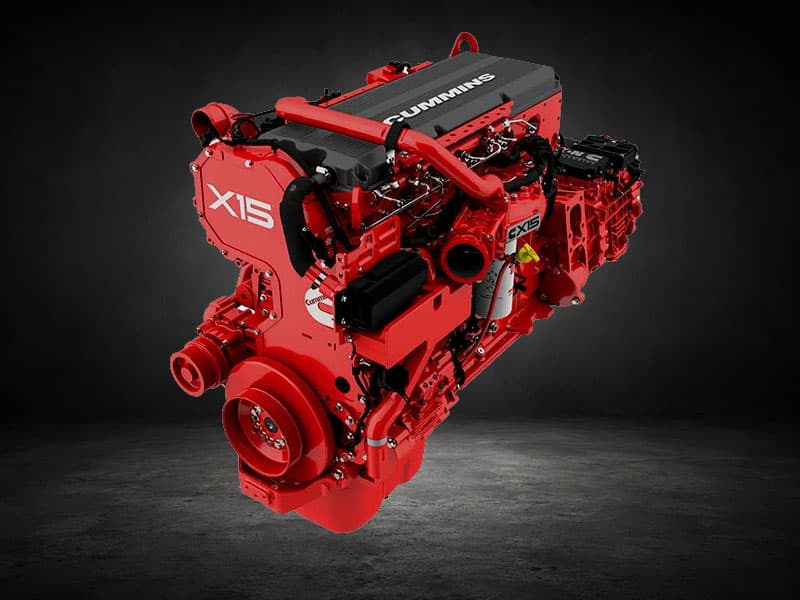
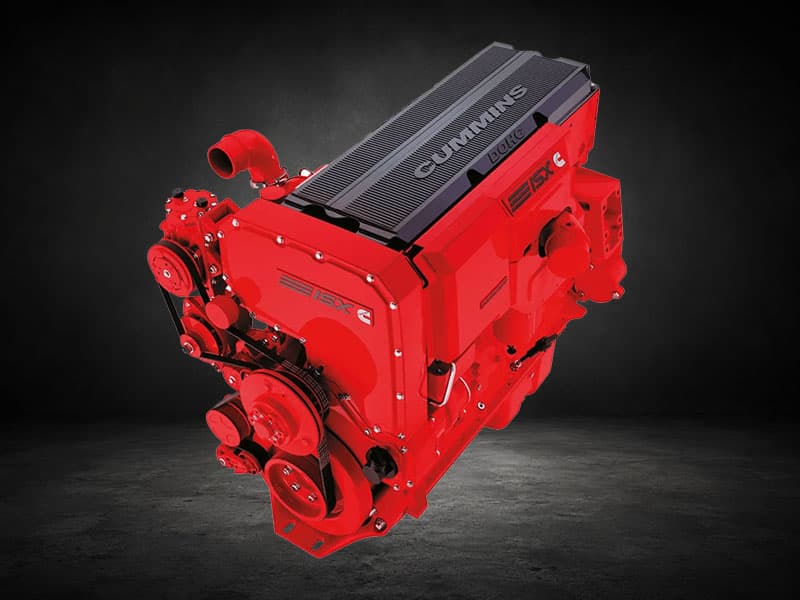
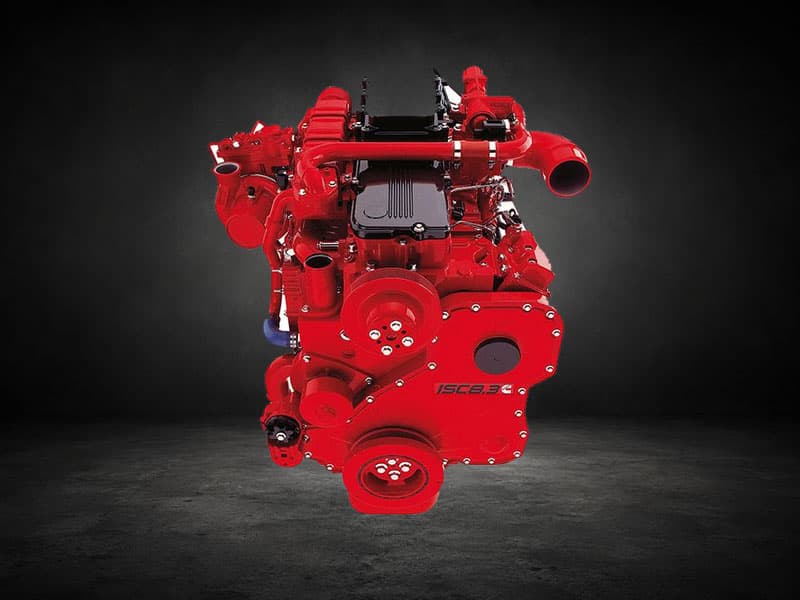
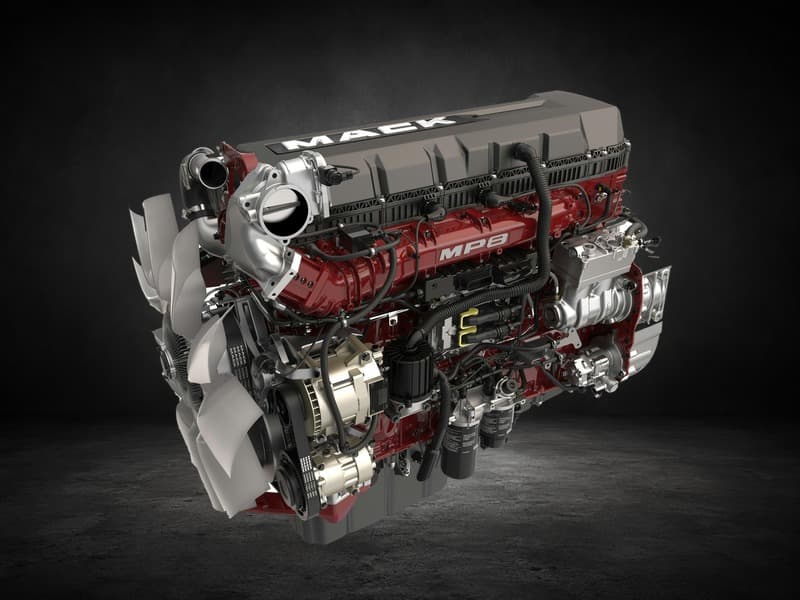
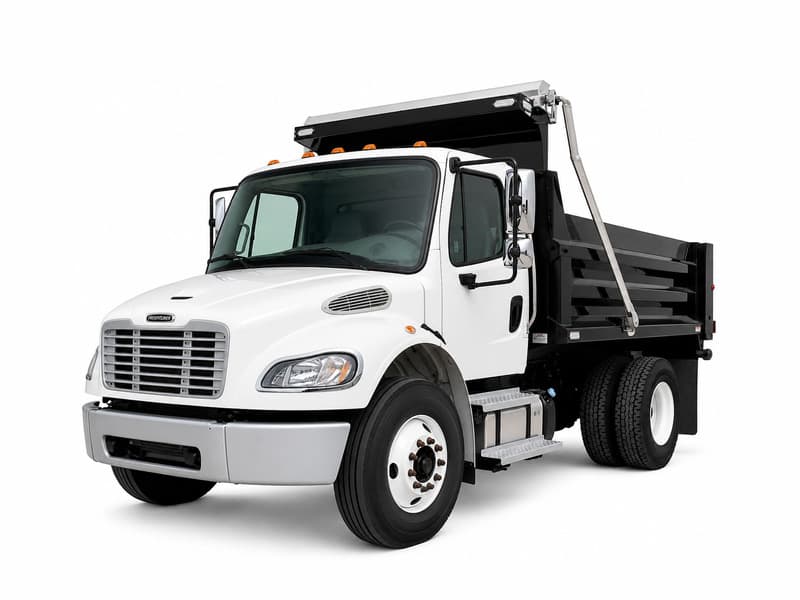
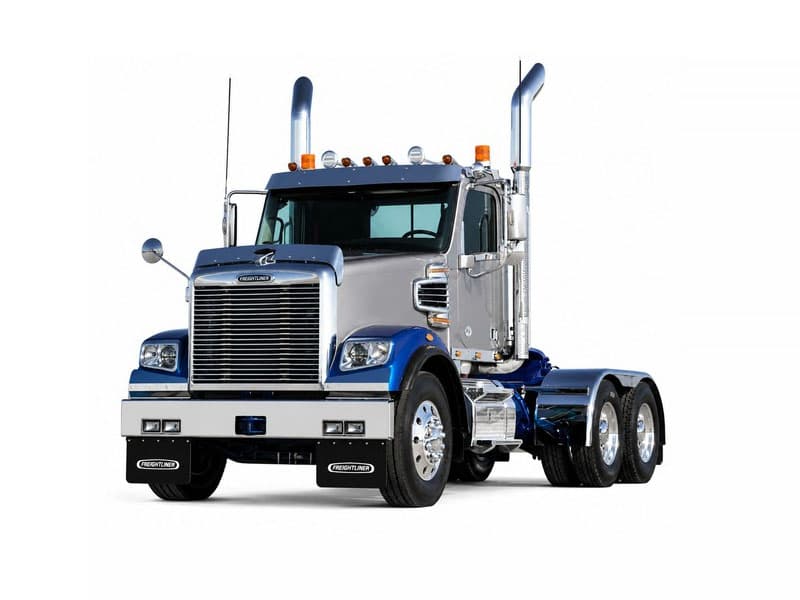
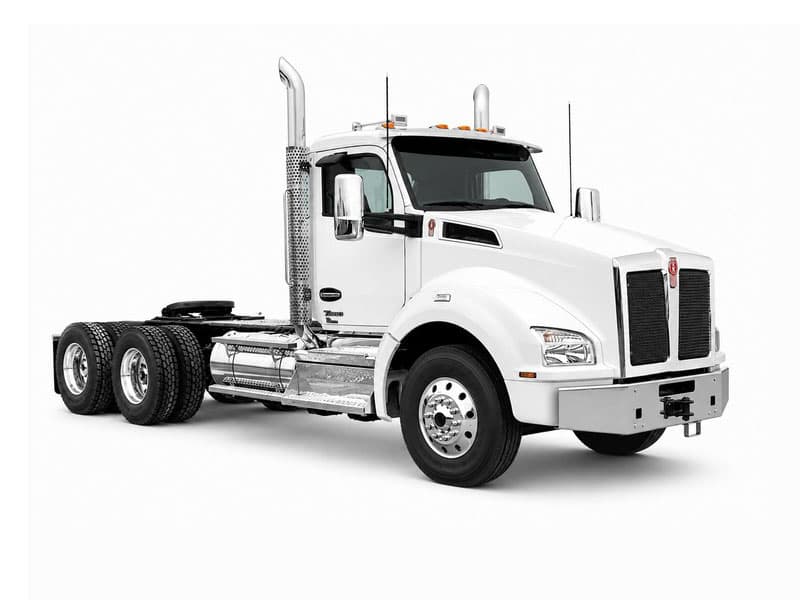
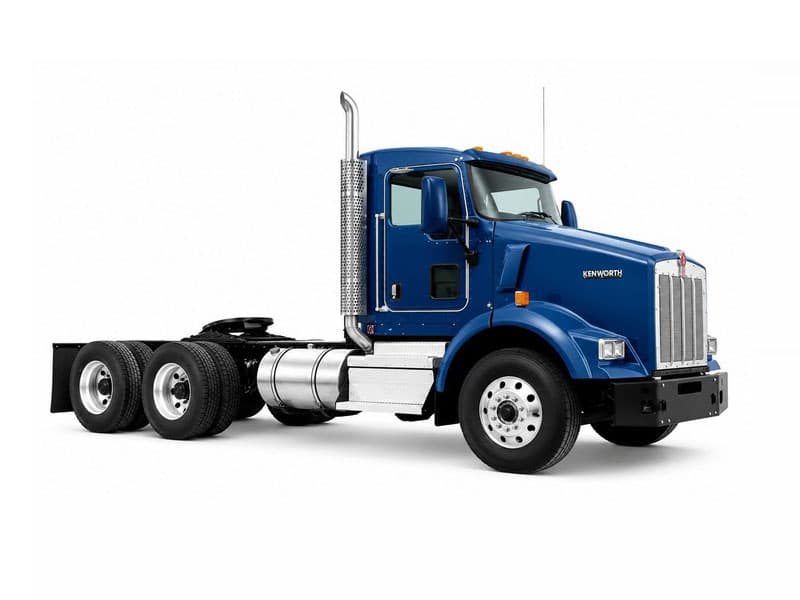
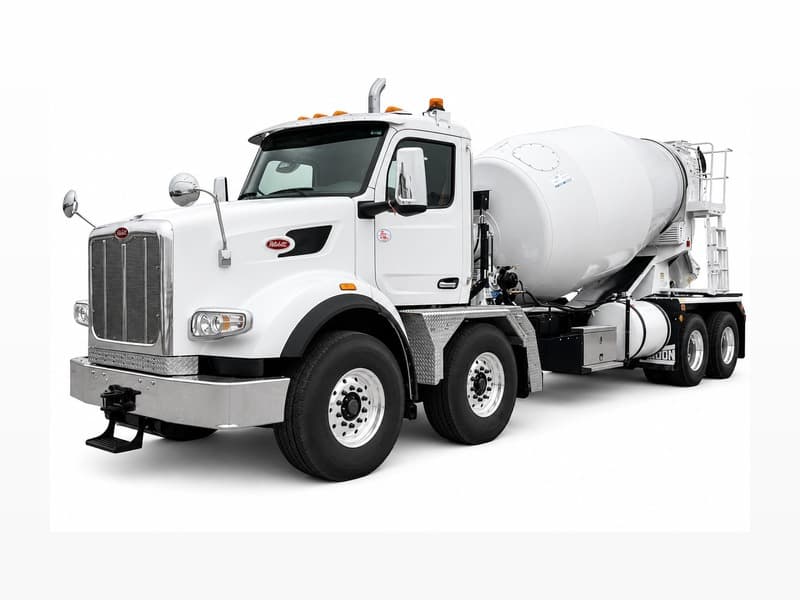
The fleet population varies by jurisdiction. Large state DOT fleets running Kenworth T880 and Peterbilt 567 vocational chassis with Cummins X15 or ISX power. Municipal fleets running Freightliner 122SD or Mack Granite with Detroit DD15 or Mack MP8 power. Smaller municipal operations running Freightliner M2 112 or International WorkStar with Cummins ISL or MaxxForce power. The brand varies. The cold-weather operational reality is consistent.
What's Actually Killing These Trucks
Cold-weather DPF regen failures. Active regen cycles require sustained exhaust temperatures the engine produces only under load. Winter operation in below-freezing ambient temperatures means the engine fights to maintain operating temperature even at idle, and regen cycles trigger but don't complete because the thermal conditions aren't there. Soot accumulates through winter operations. Derate hits during the operational windows that matter most — typically mid-storm.
DEF crystallization and dosing failures. DEF freezes at 12°F. The DEF system has heating elements to address this, but the heaters consume power and the thermal management isn't always reliable. Crystallization in dosing valves and lines accumulates over winter operations. DEF tank crystallization from extended cold exposure. Inducement countdowns triggered during storm response — when the operational stakes are highest.
Off-season storage stress. Trucks that sit from April through October stress DEF systems in ways that consistent year-round operation doesn't. DEF tank crystallization from extended non-use, dosing valve binding, SCR catalyst efficiency drops, and the broader pattern of aftertreatment issues that appear when seasonal operations restart in November.
Salt and brine corrosion of aftertreatment hardware. Snow plow operations expose aftertreatment hardware to repeated salt and brine spray. NOx sensor failures cluster on winter service trucks. DEF dosing valve corrosion. Wiring harness degradation around aftertreatment components. The cumulative effect produces fault patterns that don't correspond to mileage accumulation.
What Calibration Work Can Do
For municipal fleets staying compliant with emissions requirements, recalibration work targets the specific operational reality of winter service. Modified regen logic that accounts for cold-start and brief-duty-cycle patterns. Adjusted DPF pressure thresholds that don't derate during storm response. Recalibrated DEF dosing strategies that account for cold-weather operation and seasonal storage cycles. Inducement countdown clearing after aftertreatment hardware service so a serviced truck doesn't re-trigger countdown immediately after returning to the road.
For state DOT and large municipal fleets dealing with batch winter-service fleet aftertreatment issues, calibration work that addresses the root operational cause typically delivers better long-term operational economics than continuing the dealer-side aftertreatment hardware replacement cycle across the fleet.
Calibration recovery on bricked ECMs is also routine winter service fleet work. The combination of cold-weather operational stress, salt and brine corrosion, and off-season storage produces ECM-side issues that recovery work addresses without module replacement when possible.
Municipal Fleet Operational Reality
State DOT and municipal winter service fleets operate under public safety obligations during storm events that don't accommodate equipment failures gracefully. A plow truck that derates during a storm leaves road segments uncleared, which produces public safety risk and contractual exposure for the operating agency. Recurring winter aftertreatment issues across a multi-truck winter service fleet add up to operational economics that increasingly favor calibration work over continued dealer-side service cycles.
We work with state DOT operations and municipal fleets ranging from small townships running 3-5 plow trucks through large state agencies with hundreds of trucks deployed across regional service centers. Multi-truck programming pricing applies at typical fleet thresholds, NDAs are routine, and scheduling typically coordinates with off-season windows — calibration work in summer when the trucks aren't deployed for active service.
Service Paths For Winter Fleet Programming
Ship-in is the most common path. Pull the ECM, ship to Fort Lauderdale, 2-3 day programming turnaround. Remote programming works for shops with appropriate engine-platform diagnostic software. On-site service is available for South Florida operations and for larger fleet customers in regions where bringing technicians to the operation makes sense.
Quotes return same business day. Tell us the year, the engine, the trucks involved, the operational situation, and what you want out of the work. For DOT and municipal fleet customers, batched off-season programming work during summer downtime is the standard approach — pulled ECMs ship together, programming happens in batch, ship back in time for the fall maintenance cycle ahead of winter deployment.