Charter & Tour Operational Reality
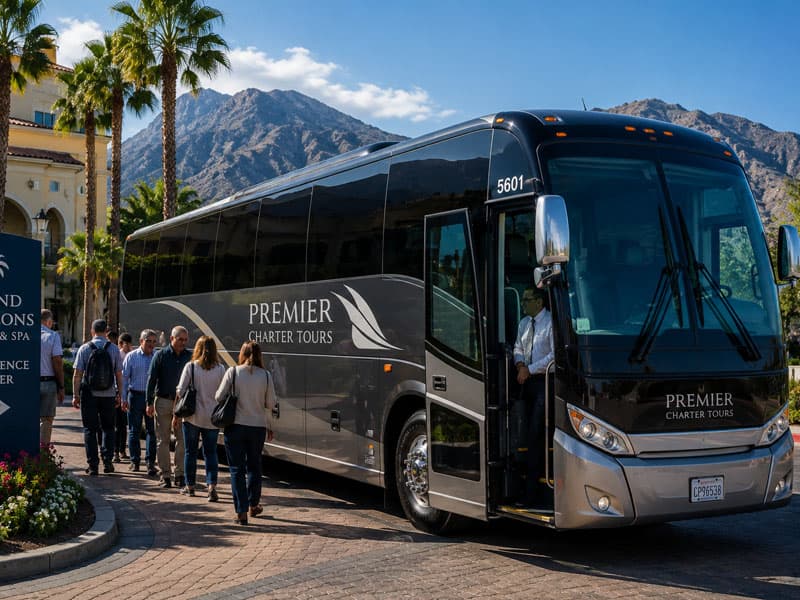
Charter and tour bus operations differ from municipal transit, school transportation, and shuttle services in fundamental ways. The duty cycle skews toward long-distance highway operation — multi-day trips, regional tour routes, multi-state group travel. The operational tempo varies seasonally with leisure travel demand. The fleet population reflects the operational pattern with motorcoach platforms designed for long-distance passenger comfort. And operational reality where the bus failing mid-trip strands passengers far from home, which creates immediate customer service consequences plus potential trip-completion issues for tour operators.
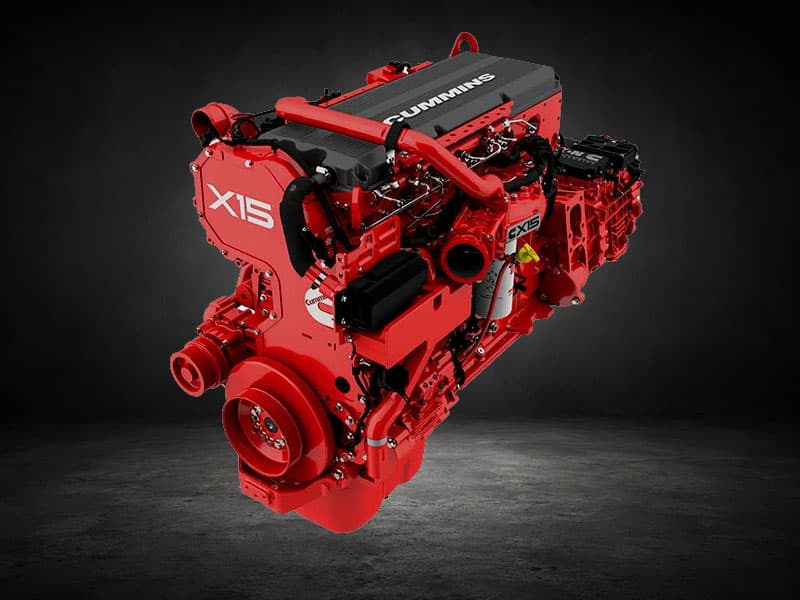
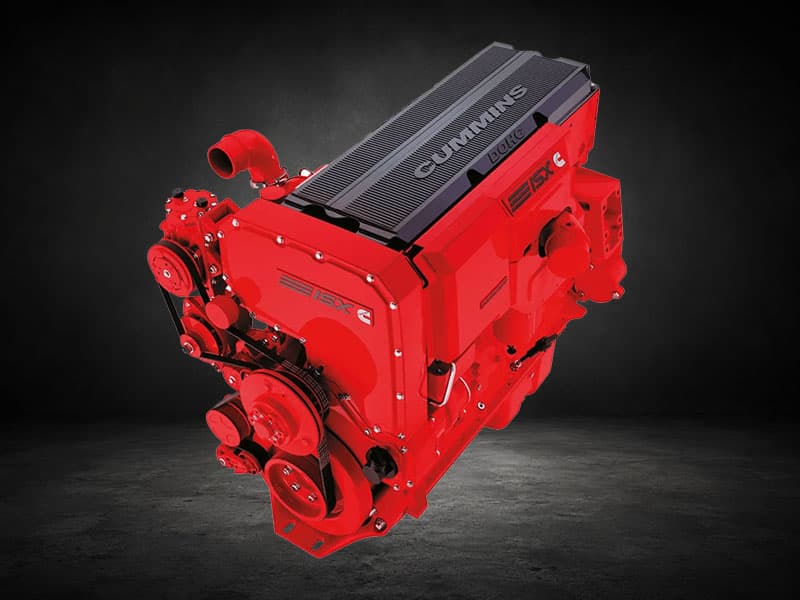
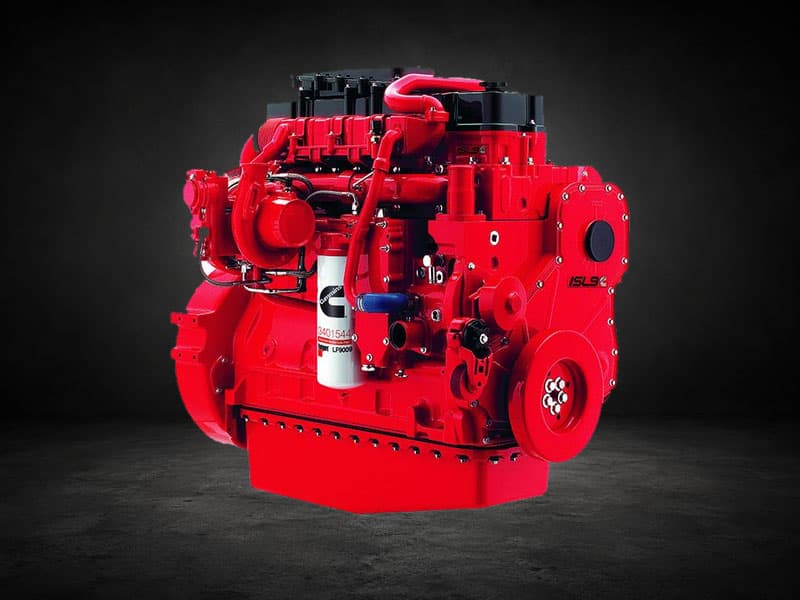
The fleet population concentrates around the major North American motorcoach platforms — MCI J4500 and similar models, Prevost X3-45 and H3-45, Van Hool C and T-series coaches. These platforms typically use Cummins ISL 9 power on lighter spec or Detroit DD13 / DD15 on heavier highway-spec coaches, with some older fleet inventory still running Cummins ISX power. Beyond the major motorcoach platforms, smaller charter operations sometimes run shuttle-style buses on Freightliner or Kenworth medium-duty chassis for shorter regional charter work.
What's Actually Affecting These Buses
High-mileage aftertreatment accumulation. Charter and tour buses accumulate substantial annual mileage — 80,000-150,000+ miles per year for active fleet inventory. Aftertreatment systems reach service intervals and failure clustering windows faster than fleets that accumulate mileage more slowly. DPF ash loading, SCR catalyst efficiency drops, and DEF dosing failures all arrive at predictable mileage thresholds, but those thresholds arrive faster on high-mileage charter fleet inventory.
Seasonal demand patterns. Leisure tour and charter demand peaks during summer months and during specific regional travel seasons. The seasonal pattern creates fleet operational patterns that don't match year-round transit assumptions. Buses sit at the depot during low-demand months, then accumulate intense operational tempo during peak season. Off-season storage and seasonal restart issues are common.
Highway-cycle DPF behavior with detour stress. Charter and tour operations primarily run highway routes that support proper DPF passive regen, but the routes also include city sightseeing detours, layover stops at attractions and rest areas, and the broader pattern of leisure-tour operational variations. The detour stress on aftertreatment systems is less severe than urban transit but still meaningful over operational years.
Hotel-stop idle and auxiliary power loads. Tour and charter operations involve hotel stops where the bus often idles to provide auxiliary power for crew comfort or to support passenger conveniences. The sustained idle adds operational hours and affects aftertreatment thermal management patterns.
What Calibration Work Can Do
For charter and tour bus operators staying compliant with emissions requirements, recalibration work targets the specific long-distance leisure tour operational reality. Modified regen logic that accounts for the mixed highway-and-detour route pattern. Adjusted DPF pressure thresholds that don't trigger derate during typical leisure tour operation. Recalibrated DEF dosing strategies for high-mileage seasonal operational patterns. Inducement countdown clearing after aftertreatment hardware service.
For charter and tour operators preparing the fleet ahead of peak season, calibration work performed during off-season provides operational reliability for the upcoming high-demand operational tempo. The fleet returns to service with calibration matched to actual operational reality rather than stock fleet calibration that doesn't anticipate charter and tour duty patterns.
Calibration recovery on bricked ECMs is also routine charter and tour fleet work, particularly for older fleet inventory with accumulated calibration issues from years of high-mileage operation.
Charter Operator Operational Reality
Charter and tour bus operators build their businesses on customer relationships where service reliability is the core product. A tour group depending on transportation for a multi-day trip can't accommodate a bus that breaks down mid-trip — the consequences cascade through the entire trip schedule and affect customer satisfaction directly. Recurring aftertreatment-driven service issues affect customer retention, repeat booking rates, and the broader reputation that drives charter and tour business viability.
We work with charter and tour operators ranging from small regional charter operations through larger national tour transportation operations. Multi-bus pricing applies, NDAs are routine, and scheduling typically coordinates with off-season windows when demand is at its annual minimum.
Service Paths For Charter & Tour Fleet Programming
Ship-in is the most common path. Pull the ECM, ship to Fort Lauderdale, 2-3 day programming turnaround. Remote programming works for operators with shop access to appropriate diagnostic software. On-site service is available for South Florida operators — and the South Florida region has significant charter and tour activity driven by cruise transit, theme park transportation, and broader tourism economy.
Quotes return same business day. Tell us the coach platform, the engine, the year, fleet size, and operational pattern. For charter and tour operators scheduling work during off-season before the next peak operational period, batch programming pricing applies.
Florida Tourism Economy
The South Florida tourism economy supports substantial charter and tour bus activity throughout the year. Cruise ship passenger transit from airports to Port Everglades and Port of Miami. Theme park transportation between Orlando-area attractions and lodging. Conference and convention transportation supporting Miami Beach's substantial event market. Sightseeing operations for the broader tourism base. These segments combine to make South Florida one of the more active regional charter and tour markets in North America. Our Fort Lauderdale location gives us direct on-site service access for this market, which works well for operators who prefer to bring the coach in rather than ship the ECM.