Urban Transit Duty Cycle
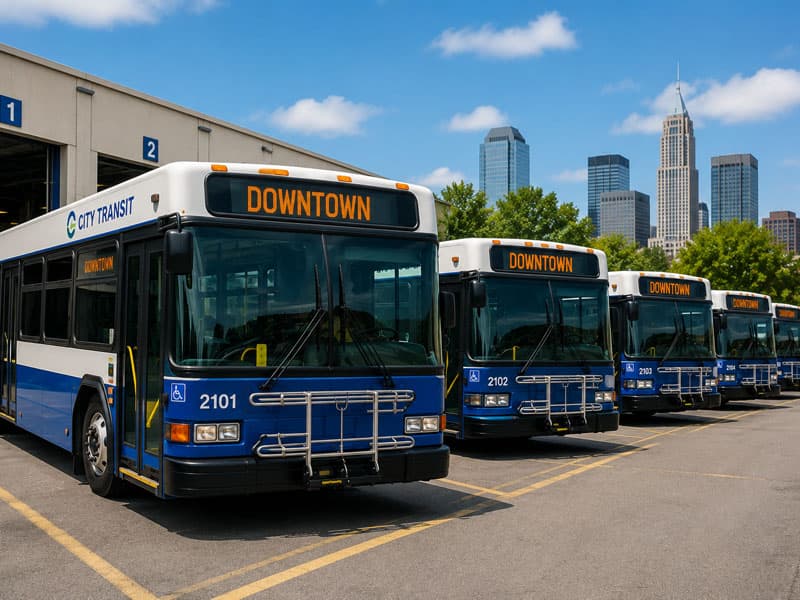
Municipal transit operations subject buses to a duty cycle that combines almost every operational characteristic that breaks modern diesel aftertreatment systems. City routes with hundreds of stops per shift. Cold starts at the beginning of each operational period. Sustained idle during dwell times at major stops, layover points, and timing-point holds. Mixed-traffic operation where the bus rarely sustains the operating conditions required for passive DPF regen. Climate-control loads from passenger heating in winter and air conditioning in summer that affect engine load patterns. And operational reality where the bus failing means scheduled service runs missed, riders stranded, and immediate operational consequences for the transit agency.
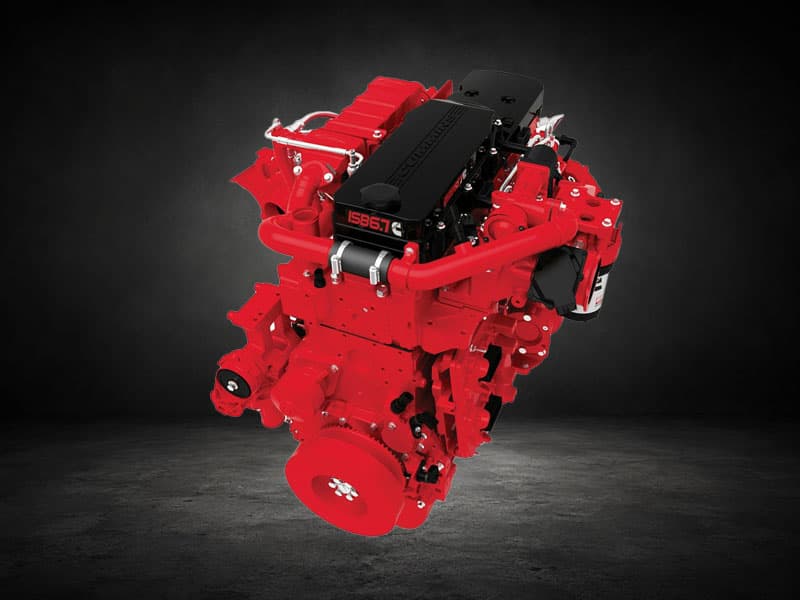
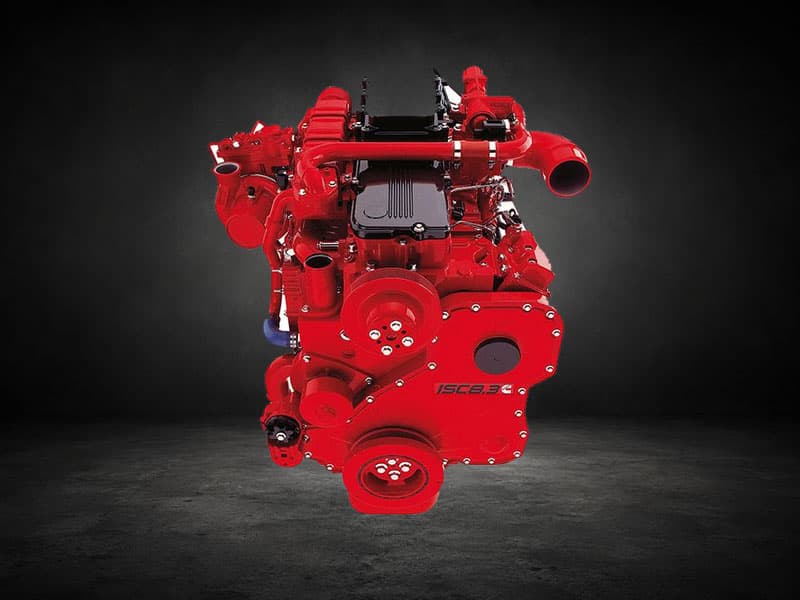
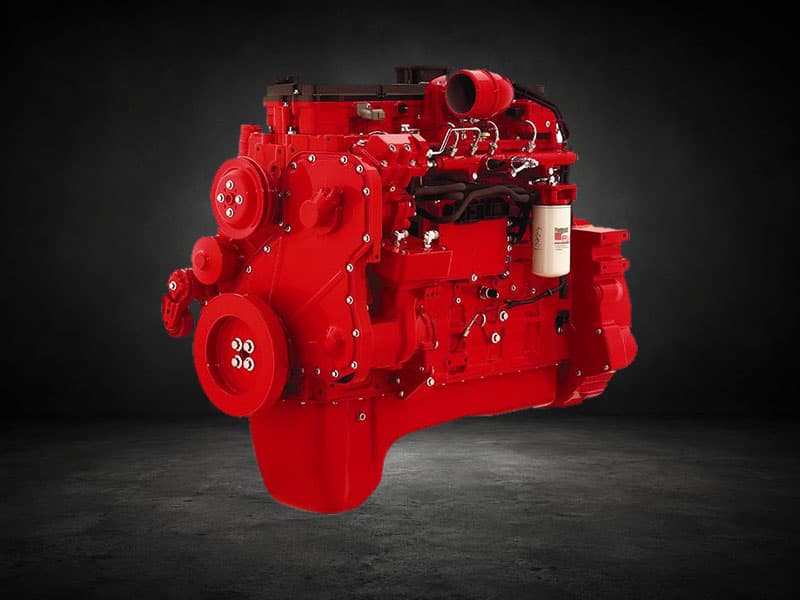
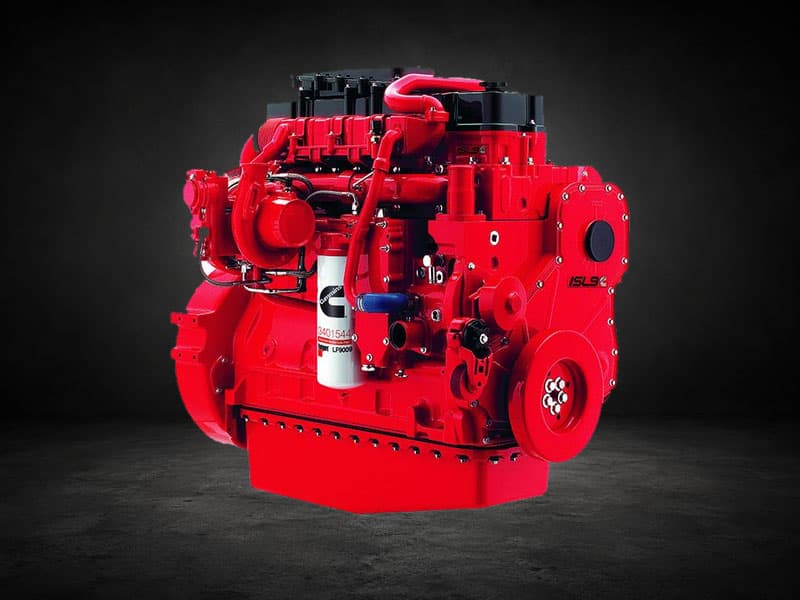
The fleet population varies by agency. Standard 40-foot transit buses from Gillig, New Flyer, NABI, and similar manufacturers with Cummins ISL 9 or ISC 8.3 power. Articulated 60-foot buses for high-ridership corridors. Smaller transit cutaways and shuttle buses on Ford or International medium-duty chassis with Cummins ISB or MaxxForce DT power. Hybrid and electric buses entering the fleet alongside conventional diesel platforms. The brand varies. The urban duty-cycle reality is consistent across the conventional diesel fleet population.
What's Actually Killing These Buses
Frequent stops break passive regen conditions. Transit buses on city routes rarely sustain the highway-cycle operating conditions required for passive DPF regen. The aftertreatment system accumulates soot through normal route operation. Active regen cycles trigger but often don't complete because the route timing doesn't accommodate sustained high-load operation. The cumulative effect produces predictable DPF derate clustering past 150,000-200,000 miles in heavy urban service.
DEF system stress from urban operational patterns. Transit buses see thermal cycling patterns that DEF systems weren't engineered around — short operational segments between stops, sustained idle at major hubs, climate-control loads. DEF dosing failures cluster on transit buses past 200,000-300,000 miles in fleet service. NOx sensor drift, SCR catalyst efficiency drops, inducement countdown patterns.
Idle-heavy duty cycles. Transit buses accumulate substantial idle hours through layover periods, dwell times at major stops, and climate-control operation during boarding. The hours-vs-mileage accumulation pattern affects when aftertreatment issues cluster, with bus fleets often hitting derate at relatively modest mileage figures because the actual operational hours are much higher than the road mileage suggests.
Calibration corruption from agency mechanic interventions. Larger transit agencies maintain in-house mechanics who attempt diagnostic and partial calibration work. When agency mechanic interventions go wrong, the result is sometimes calibration corruption that the agency shop can't recover from. We restore most modules without replacement.
What Calibration Work Can Do
For transit agencies staying compliant with emissions requirements (which is virtually all of them given regulatory and political environments around public transit), recalibration work targets the specific urban transit operational reality. Modified regen logic that accounts for stop-and-go route patterns. Adjusted DPF pressure thresholds that don't trigger spurious derate during normal operation. Recalibrated DEF dosing strategies that account for the urban operational tempo. Inducement countdown clearing after aftertreatment hardware service.
For transit agencies with aging fleet inventory facing capital allocation pressure, calibration work that addresses recurring aftertreatment issues often extends useful service life by 3-5 years at meaningfully lower cost than capital fleet replacement — which matters for agencies working through multi-year capital improvement cycles.
Calibration recovery on bricked ECMs is also routine transit agency work, particularly for older bus inventory facing thinning manufacturer dealer support for specific engine platforms.
Transit Agency Operational Reality
Municipal transit agencies operate under service obligations to the public that don't accommodate fleet downtime well. A scheduled route that doesn't run is a route where transit-dependent riders can't get to work, medical appointments, or school. Reliability metrics affect transit agency funding, public perception, and political viability. Recurring aftertreatment issues across the fleet directly affect operational reliability and create political and operational pressure that agency leadership has to address.
We work with municipal transit agencies ranging from small rural transit operations with handfuls of buses through large urban transit agencies with hundreds of buses across multiple operating divisions. Multi-bus pricing applies, NDAs are routine, and scheduling coordinates with operational requirements — typically rolling work across the fleet during routine maintenance cycles rather than batching all buses during specific windows.
Service Paths For Transit Fleet Programming
Ship-in is the most common path. Pull the ECM, ship to Fort Lauderdale, 2-3 day programming turnaround. Remote programming works for agencies with appropriate shop diagnostic software. On-site service is available for South Florida agencies and for larger agency fleets where bringing technicians to the agency makes operational sense.
Quotes return same business day. Tell us the bus chassis, engine, year, and fleet situation. For agency relationships, we coordinate scheduling around operational requirements and provide fleet-level pricing for batch programming work.
Transit Procurement Reality
Public transit agencies operate under procurement and contracting requirements that affect how programming work integrates into operational schedules. Federal Transit Administration funding requirements, FTA Buy America compliance, state-level transit funding requirements, and agency-specific procurement procedures all affect the operational context for fleet maintenance decisions. We work with agency procurement teams to structure programming engagements that fit within agency contracting frameworks, and we provide whatever documentation supports the agency's procurement and reporting requirements.