
Premium Passenger Service Reality
Commercial passenger transport operations — limousine and livery services, executive transport, sprinter group transport, sedan and SUV services, corporate transportation — operate at the high-service-expectation end of the commercial vehicle market. Clients expect punctuality, reliability, and a professional service experience. Operators contract under service level expectations that don't accommodate vehicle failures gracefully. Recurring aftertreatment-driven service interruptions affect both operational economics and the customer relationships that drive premium service businesses.
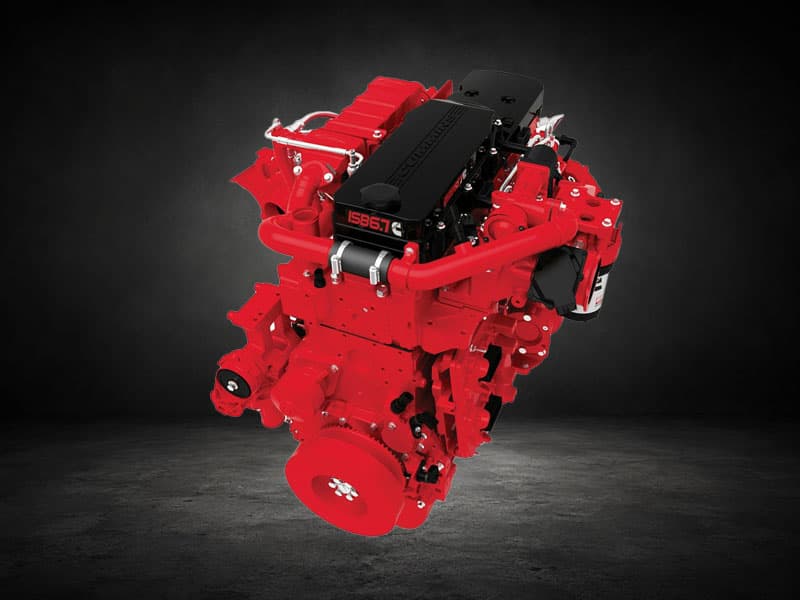
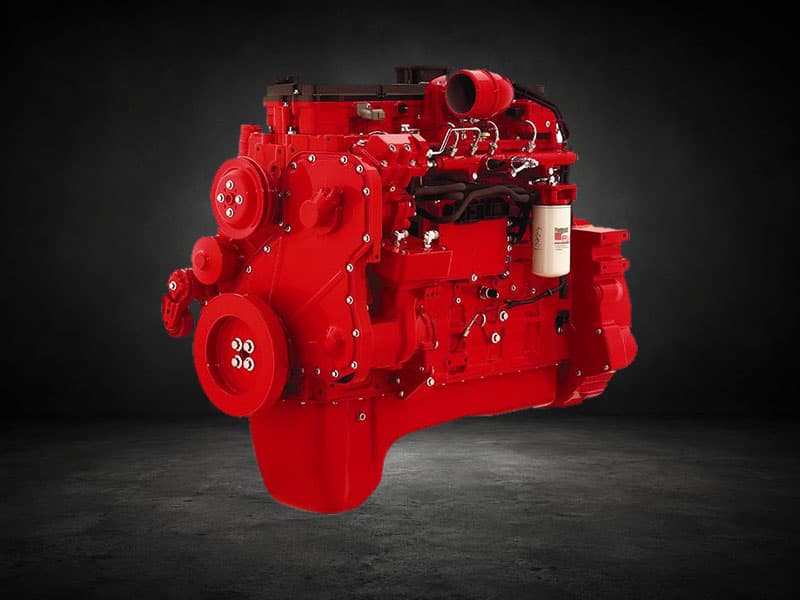
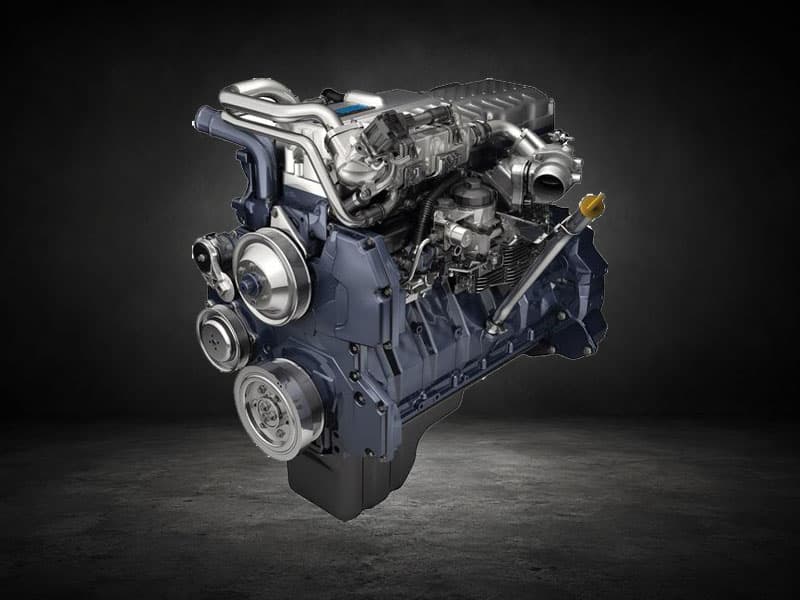
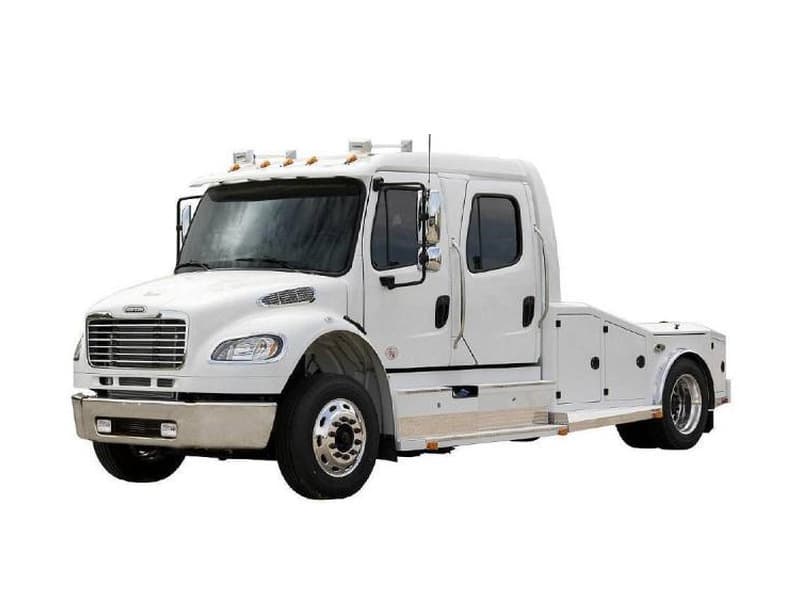
The fleet population spans a wide range — Mercedes-Benz Sprinter passenger vans with BlueTEC diesel power, Ford Transit and E-450-based limousines and shuttles, larger Class 5-6 limousine bus conversions on Freightliner M2 106 chassis with Cummins ISB or ISL power, executive coach configurations on similar mid-size platforms, and the broader range of premium passenger transport equipment. Most calibration work centers on the Sprinter-platform diesel, the Ford diesel platforms, and the Cummins ISB / ISL platforms that anchor most North American commercial passenger transport beyond the largest motorcoach segment.
What's Actually Killing These Vehicles
Short-cycle DPF derate. Commercial passenger service routes typically involve relatively short trips with frequent client pickups and drop-offs. The duty cycle doesn't sustain the operating conditions required for passive DPF regen. Active regen cycles trigger but rarely complete because the trip duration doesn't accommodate sustained high-load operation. Soot accumulates and derate clusters at relatively modest mileage figures.
Idle stress during client wait time. Commercial passenger vehicles spend significant operational time idling — waiting at airports for client pickups, waiting outside event venues, waiting between scheduled service legs. Sustained idle stresses aftertreatment systems in patterns that highway-cycle calibration doesn't anticipate.
DEF system failures on post-2010 builds. Standard pattern. DEF dosing failures cluster on commercial passenger fleet vehicles based on operational hours rather than mileage, which means service intervals from the dealer perspective don't always align with actual aftertreatment system state.
Service-interruption sensitivity. Unlike fleet trucking applications where occasional downtime is an operational cost to manage, commercial passenger transport has business model sensitivity to service interruptions. A vehicle that goes into derate during a contracted service event isn't just a maintenance issue — it's a customer service event that affects the operator's reputation and contract renewal.
What Calibration Work Can Do
For commercial passenger transport operators staying compliant with emissions requirements, recalibration work targets the specific commercial passenger operational reality. Modified regen logic that accounts for short-cycle service patterns. Adjusted DPF pressure thresholds that don't trigger spurious derate during normal operation. Recalibrated DEF dosing strategies that account for idle-heavy duty cycles. Inducement countdown clearing after aftertreatment hardware service.
For commercial passenger fleet operators dealing with recurring aftertreatment-driven service issues that affect contract reliability, calibration work that addresses the root operational cause delivers operational reliability improvements that translate directly to business reputation and customer retention.
Calibration recovery on bricked ECMs is also routine commercial passenger fleet work.
Commercial Passenger Operational Reality
Commercial passenger transport businesses build on customer relationships where service reliability is the primary product differentiator. Corporate clients contracting executive transport expect their executives to arrive on time. Hotel concierge services expect partner livery to deliver guests reliably. Event clients expect group transport to function dependably. Every recurring aftertreatment-driven service interruption affects the operator's standing with the contracting customer, and the cumulative effect across a fleet operation can substantially affect business viability.
We work with commercial passenger operators ranging from single-vehicle limousine operators through large regional and national passenger transport operations with substantial fleet inventory. Pricing structures accommodate both individual-vehicle calibration work for small operators and fleet-volume programming for larger operations. NDAs are routine, and scheduling typically coordinates with the operator's maintenance cycle.
Service Paths For Commercial Passenger Programming
Ship-in is the most common path. Pull the ECM, ship to Fort Lauderdale, 2-3 day programming turnaround. Remote programming works for operators with shop access to appropriate diagnostic software. On-site service is available for South Florida operators — and the South Florida market has substantial commercial passenger transport activity driven by Miami, Fort Lauderdale, and Palm Beach corporate and luxury travel markets.
Quotes return same business day. Tell us the vehicle, the engine, the year, and current operational situation. For commercial passenger operators with single-vehicle work, we handle individual vehicle calibration. For fleet operators, fleet-volume pricing applies.
South Florida Commercial Passenger Market
South Florida represents one of the more significant regional commercial passenger transport markets in the United States — driven by Miami's corporate and tourism economy, Fort Lauderdale's cruise ship transit operations, Palm Beach's seasonal corporate and luxury travel, and the broader regional economy that supports premium passenger services across the year. Our Fort Lauderdale location gives us direct on-site service access for the South Florida commercial passenger operator community, which works well for operators who'd rather bring the vehicle in than ship the ECM.
For commercial passenger operators outside the South Florida market, ship-in service handles geography effectively. The 2-3 day turnaround works for most fleet operators' maintenance scheduling, and rapid same-day quoting lets operators plan around their operational calendar.