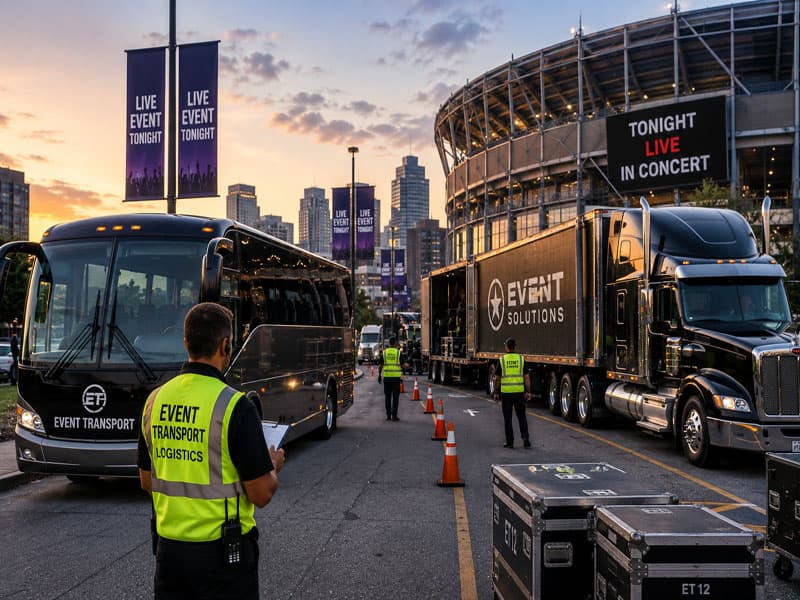
Event Transportation Operational Pattern
Event transportation operations — concert tour buses, sports team coaches, conference shuttle services, festival transportation, racing team transport — operate under duty cycles that combine elements of long-distance touring with extended parked periods between operational windows. A concert tour bus runs hard for weeks during tour legs and then sits at a depot for months between tours. Sports team buses see intense game-day and travel-day duty during the season and then minimal operation during the off-season. Conference shuttle operations face intense multi-day events surrounded by long quiet periods. Festival transportation handles peak demand during specific events and then idles between bookings.
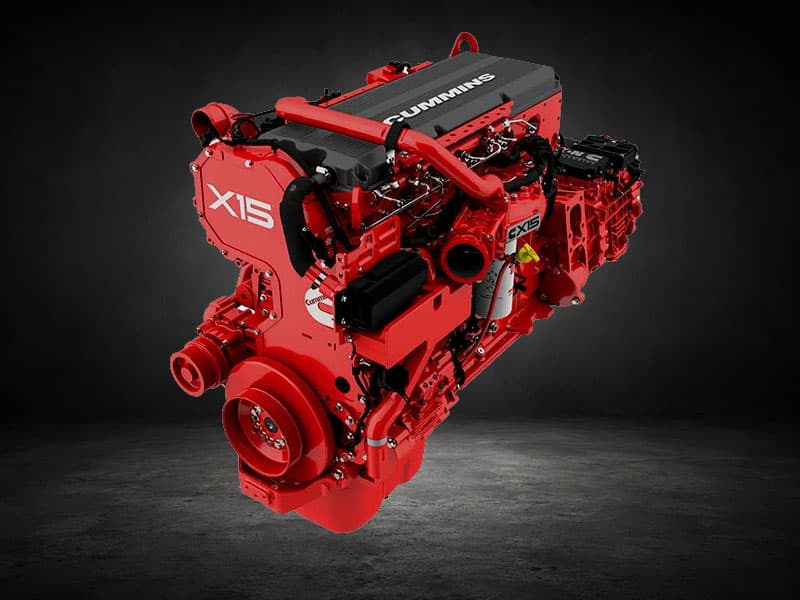
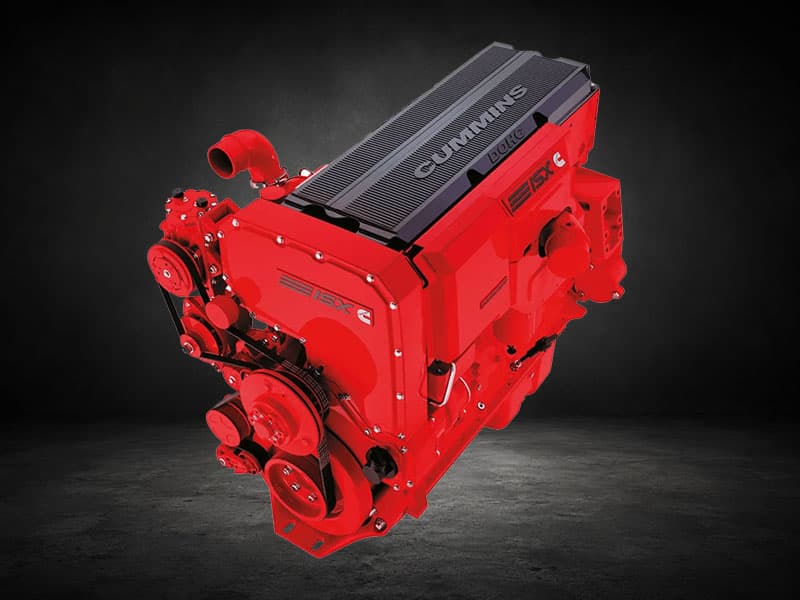
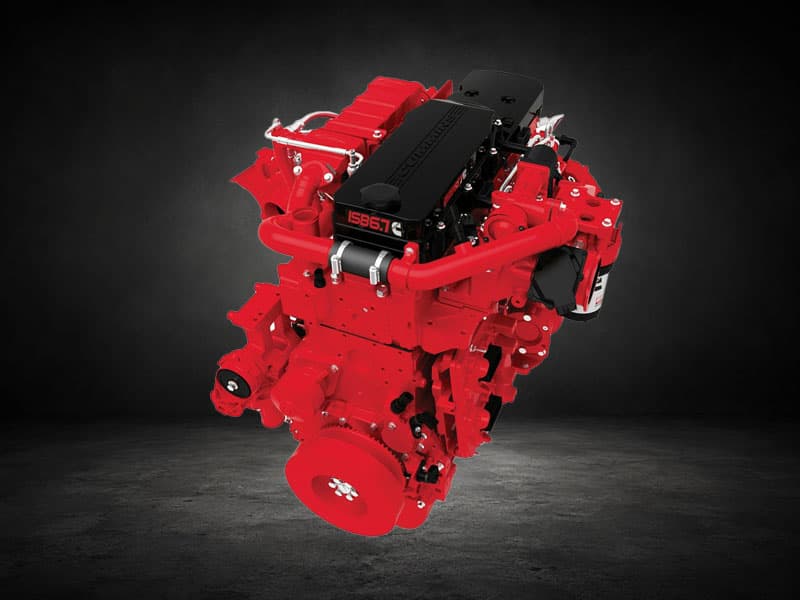
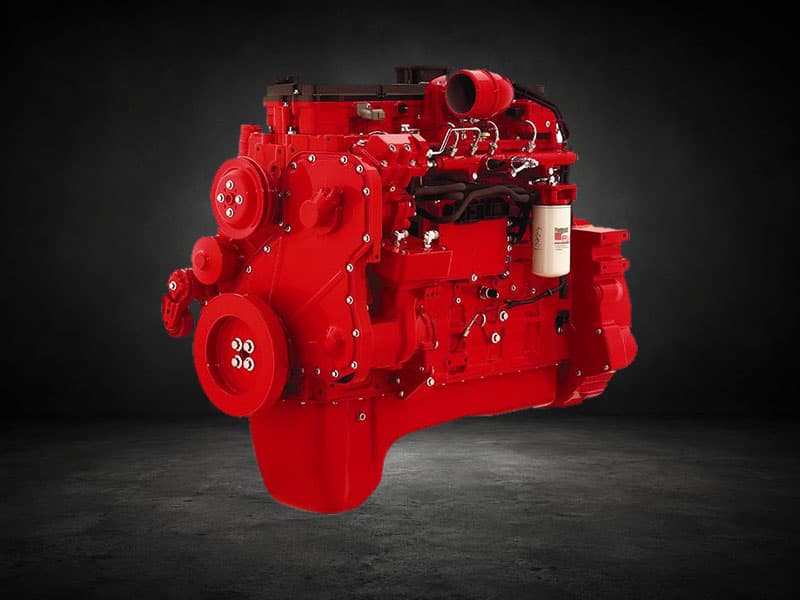
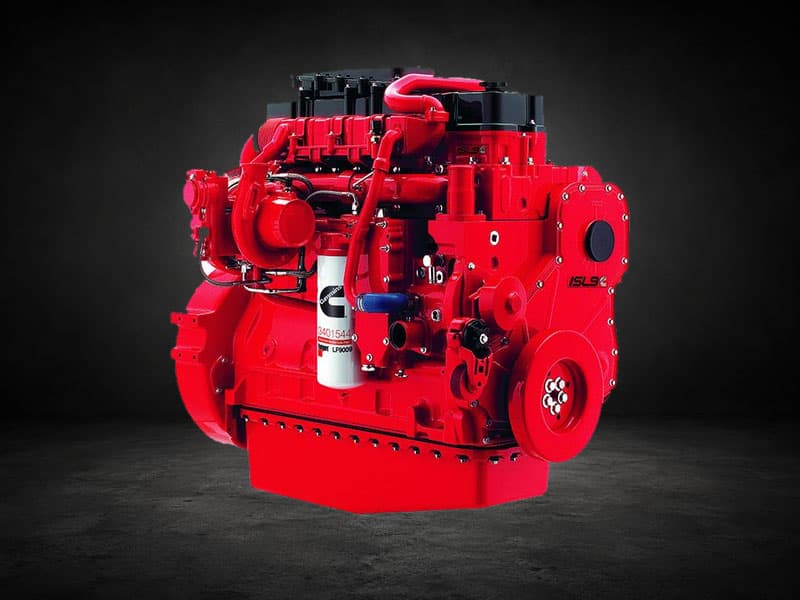
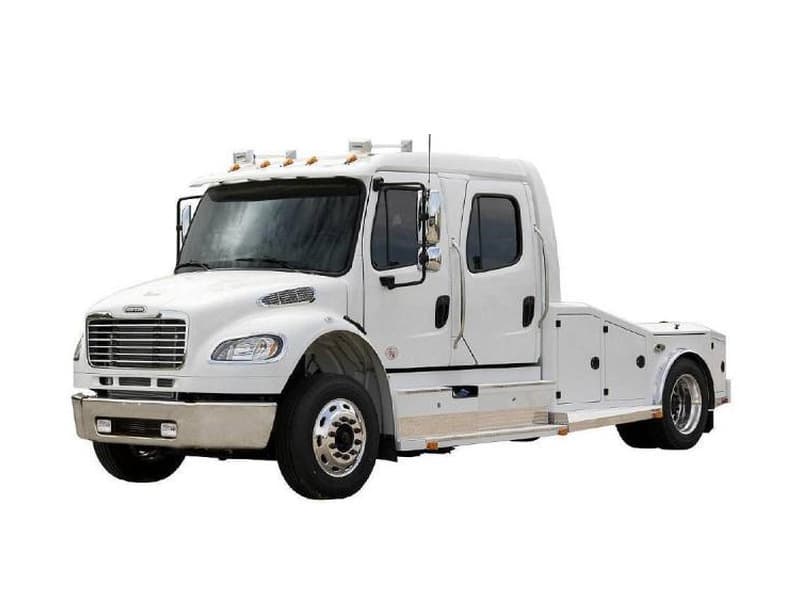
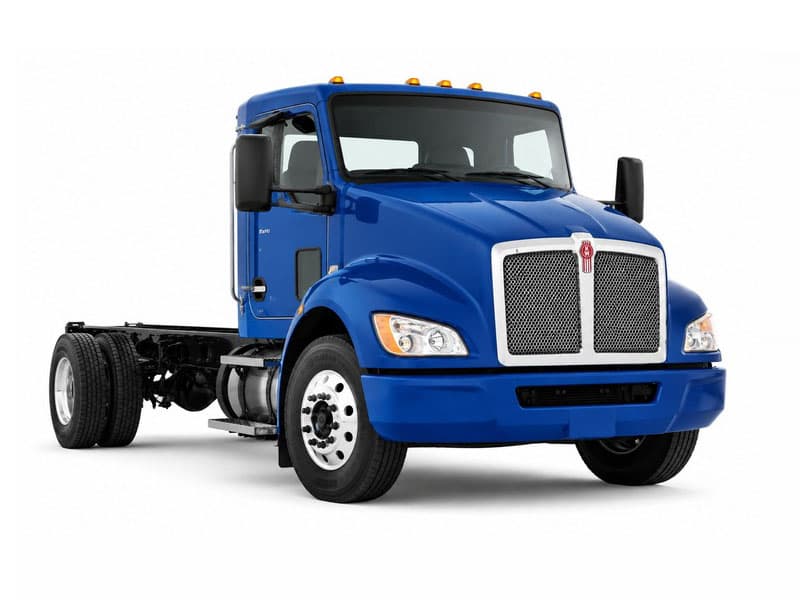
The fleet population reflects event transportation operational reality. MCI and Prevost motorcoaches for tour and team transport (out of our typical service scope for the largest coach platforms but relevant for related operations). Smaller transit-style buses on Freightliner M2 106 or Kenworth T370 chassis with Cummins ISB or ISL power. Commercial shuttle vehicles for conference and festival transportation. Specialized configurations for racing team transport and similar specialty event operations.
What's Actually Affecting These Vehicles
Extended parked period DEF system stress. Event transportation vehicles that sit for months between operational windows produce DEF system stress that consistent operation doesn't. DEF tank crystallization from extended non-use, dosing valve binding, calibration adaptive learning that drifts from actual operational state, and the broader pattern of aftertreatment issues that appear when operation resumes after extended downtime.
Intermittent intense operational tempo. Tour and event operational tempo means accumulating substantial hours and miles during operational windows, then nothing. The aftertreatment system never enters a steady operational state. Active regen cycles during tour operation may complete normally, but the alternating pattern of intense operation and extended downtime stresses the system in ways that consistent operation doesn't.
Time-critical event service reliability. Event transportation operates under schedule commitments that don't accommodate vehicle failures. A tour bus that breaks down between concert dates leaves performers and crew stranded with venue commitments in jeopardy. A sports team bus that fails affects scheduled travel for the team and creates immediate operational consequences. The operational sensitivity to reliability is high.
Hotel parking idle and auxiliary power. Tour and event buses often park at hotels with the engine running to provide auxiliary power, climate control for crew sleeping on board, and similar functions. This produces sustained idle that adds operational hours without adding mileage, and affects aftertreatment thermal management patterns.
What Calibration Work Can Do
For event transportation operators staying compliant with emissions requirements, recalibration work targets the intermittent-intensity operational reality. Modified regen logic that accounts for the alternating pattern of intense operation and extended downtime. DEF system protection adjustments for extended parked periods. Adjusted DPF pressure thresholds matched to actual operational pattern. Inducement countdown clearing after aftertreatment hardware service.
For event transportation operators preparing the fleet ahead of tour season or event calendar, calibration work performed during off-season provides operational reliability for the upcoming operational tempo. The fleet returns to service with calibration matched to the operational reality rather than stock fleet calibration that doesn't anticipate event transportation duty patterns.
Calibration recovery on bricked ECMs is also routine event transportation work, particularly for fleet inventory that has accumulated calibration issues from intermittent operation and partial dealer service over operational years.
Event Transportation Operational Reality
Event transportation businesses operate on contracts and bookings where service reliability is the primary value proposition. A tour transportation company contracts to deliver a concert tour from city to city; failure to deliver affects performer revenue, venue contracts, and the broader artist relationship. A sports team transportation provider contracts with the team for season-long service; reliability affects the team's logistics. Recurring aftertreatment-driven service issues affect business reputation in markets where reliability is the core service product.
We work with event transportation operators ranging from small regional tour and event operations through larger national event transportation operations. Multi-vehicle pricing applies, NDAs are routine, and scheduling typically coordinates with off-season windows when the fleet has time for batch calibration work.
Service Paths For Event Transportation Programming
Ship-in is the most common path. Pull the ECM, ship to Fort Lauderdale, 2-3 day programming turnaround. Remote programming works for operators with shop access to appropriate diagnostic software. On-site service is available for South Florida operators.
Quotes return same business day. Tell us the vehicle, the engine, the year, the operational pattern (tour transportation, sports team, conference shuttle, festival), and what you want out of the work. For event transportation operators scheduling work during off-season before the next tour or event calendar, batch programming pricing applies.
Off-Season Scheduling As Standard Pattern
Most event transportation calibration work happens during operational off-season — January through March for major concert tour operations, summer for school sports team programs, the quieter months between major event seasons for festival and conference transportation. This timing lets operators batch programming work across multiple vehicles during periods where the fleet has time for service, and gives the operation time to validate calibration outcomes before the next operational tempo arrives. For event transportation operators planning ahead of the next season, an off-season programming engagement allows time for both the work itself and operational verification.