Sterling's Class 8 Class Platform
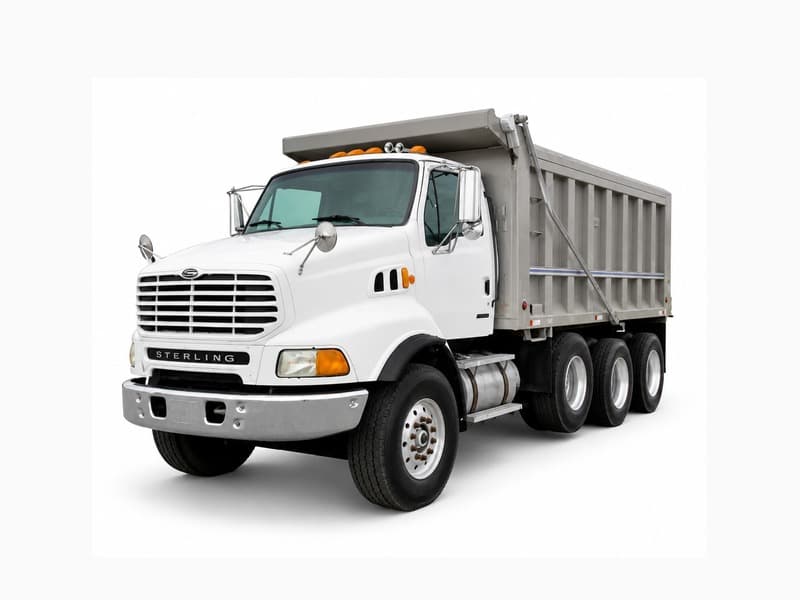
The Sterling LT9513 was Sterling's Class 8 heavy-haul severe-duty long-conventional truck — built from 2002 through Sterling's 2009 shutdown, when Daimler's decision to close the Sterling brand ended new production. The truck served oilfield service operations, mining haul, severe-duty logging, heavy haul, and export operations where the severe-duty long-conventional configuration matched the most demanding Class 8 operational reality. Sixteen years after production ended, LT9513 trucks remain in active service across fleet operations that have maintained the platform through accumulated calibration and maintenance work — operators who decided that keeping the trucks running made better operational and financial sense than capital fleet replacement.
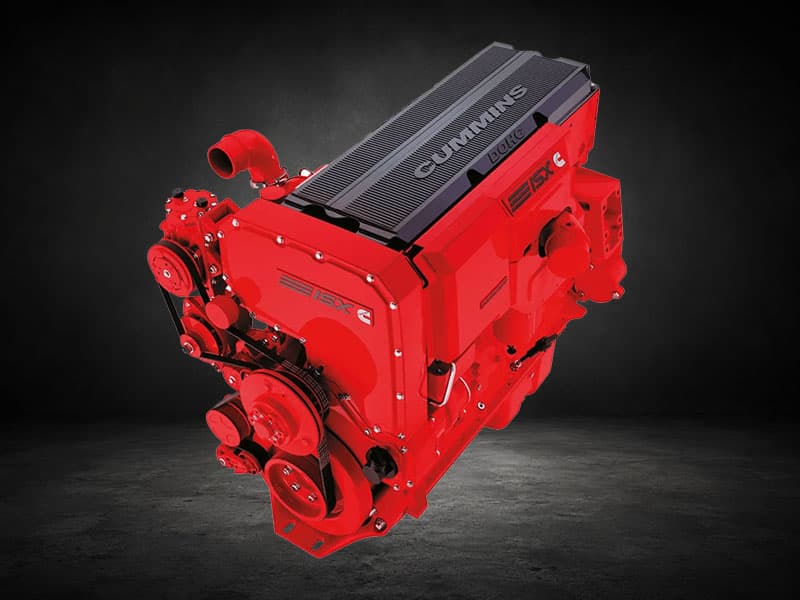
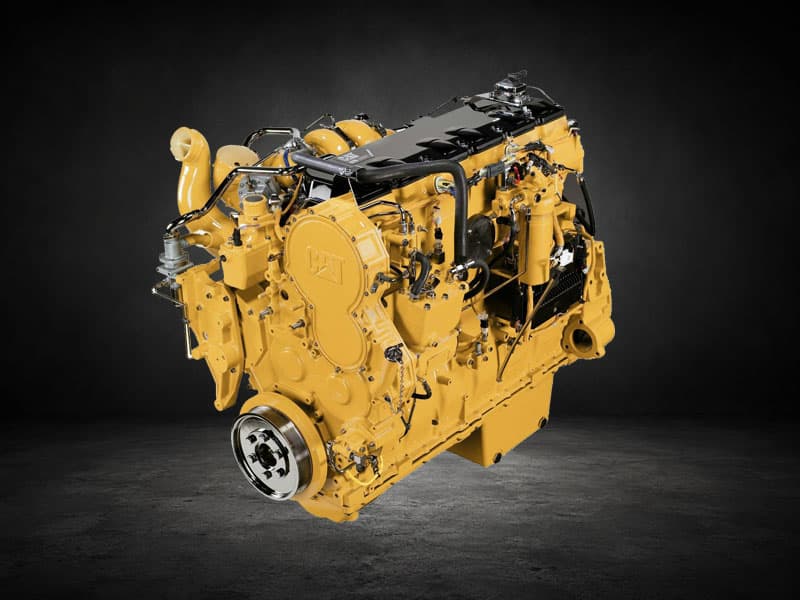
Sterling positioned the LT9513 as the heaviest, most severe-duty truck in the L-series — set-back front axle configuration for weight distribution on heavy-haul operations, premium chassis specifications throughout, and engine options spanning the full range of available Class 8 heavy power. The LT9513 served the most demanding operational segments in Sterling's product range. The platform's engine options spanned Mercedes-Benz MBE4000, Cummins ISX, Cat C15, and Detroit Series 60. All LT9513 trucks predate the EPA 2010 SCR/DEF era, meaning calibration scope covers DPF (on 2007+ builds) and EGR (across the production range) but never DEF — a meaningful operational difference from later-era fleet work.
Why LT9513 Trucks Come To Our Bench
LT9513 calibration work clusters around aging fleet operational reality with engine platform driving the specific scope:
Mercedes-Benz MBE calibration recovery and expertise. The defining LT9513 calibration challenge for the MBE-equipped fleet population. Mercedes-Benz MBE-series dealer support has thinned substantially since Daimler folded the MBE line into Detroit Diesel and replaced it with the DD-series. Many MBE ECM issues now require independent calibration expertise rather than dealer service paths. Calibration recovery on bricked modules, calibration restoration after failed dealer flashes, and standalone MBE calibration work for aging LT9513 fleet trucks represent the largest single category of LT9513 work scope at our bench.
DPF derate on 2007+ LT9513 trucks. Standard EPA 2007 DPF pattern. LT9513 trucks built 2007-2009 face the DPF-era aftertreatment challenges. Oilfield service, mining haul, severe-duty logging, and export operations applications produce duty cycles that the original DPF calibration doesn't handle gracefully. Active regen cycles trigger but rarely complete. Derate hits at predictable mileage thresholds depending on application severity.
EGR cooler degradation typical of the era. Standard EPA 2002+ EGR pattern. LT9513 trucks with cooled EGR systems show predictable EGR cooler failure patterns — coolant intrusion into intake, intermittent fault codes, eventual catastrophic failure if untreated. Across MBE, Cummins, and Cat platforms.
Aging fleet operational reality. LT9513 trucks now 15+ years old face accumulated calibration drift, sensor failures, and accumulated wear on aftertreatment components. Calibration work that addresses the specific issues these aging trucks present extends operational service life meaningfully — often by 3-5 years at substantially lower cost than capital replacement.
Export preparation for international markets. Sterling LT9513 trucks remain popular in Latin American, Caribbean, and broader international export markets — solid Class 8 platforms at used-truck pricing. Export preparation calibration work involving DPF + EGR delete preparation alongside fuel-quality calibration adjustment for destination market conditions is routine LT9513 scope.
Engine Platforms In The LT9513
LT9513 calibration work depends on engine platform. Mercedes-Benz MBE-powered LT9513 trucks require MBE-specific diagnostic and calibration libraries we maintain across the broader MBE platform deployment. Cummins-powered LT9513 trucks use Cummins INSITE diagnostic with engine-specific calibration libraries. Cat C15-powered LT9513 trucks use Cat ET diagnostic with C15-specific calibrations. Detroit Series 60-powered LT9513 trucks use Detroit DDDL diagnostic with Series 60-specific calibrations.
For each LT9513 customer, intake conversation centers on engine identification, application, year (which determines DPF presence and emissions architecture), and operational priorities before scoping the work.
Service Paths For LT9513 Programming
Ship-in is the most common path. Pull the ECM, ship to Fort Lauderdale, 2-3 day programming turnaround. Remote programming works for shops with appropriate diagnostic software access. On-site service is available for South Florida customers — and South Florida's used-truck and export market has substantial Sterling activity, which makes on-site work convenient for local operators and exporters routing trucks through Port Everglades and Port of Miami.
Quotes return same business day. Tell us the year, the engine, the application, and current operational situation. For fleet customers running multiple LT9513 trucks or mixed Sterling fleet inventory, multi-truck programming pricing applies and scheduling typically coordinates with operational requirements.
The LT9513 As Aging Fleet Reality
Sterling LT9513 fleet operators face the same fundamental operational question that all Sterling operators face: keep the trucks running through accumulated calibration and maintenance work, or capital-replace them. Our experience working with LT9513 customers suggests the keep-them-running path remains operationally and financially attractive when underlying chassis hardware is sound, the operator has access to calibration expertise that can address recurring issues without dependence on a thinning OEM dealer support pathway, and the operational profile fits the platform's capabilities.
Our calibration work draws on the broader Sterling and Mercedes-Benz MBE platform expertise we maintain across the full Sterling fleet population we work with — Acterra, M-series and L-series medium-duty and highway models, and the broader range of MBE-equipped fleet inventory still in active service. The result for LT9513 customers is consistent calibration expertise that addresses actual operational reality regardless of which specific Sterling model the operator runs.