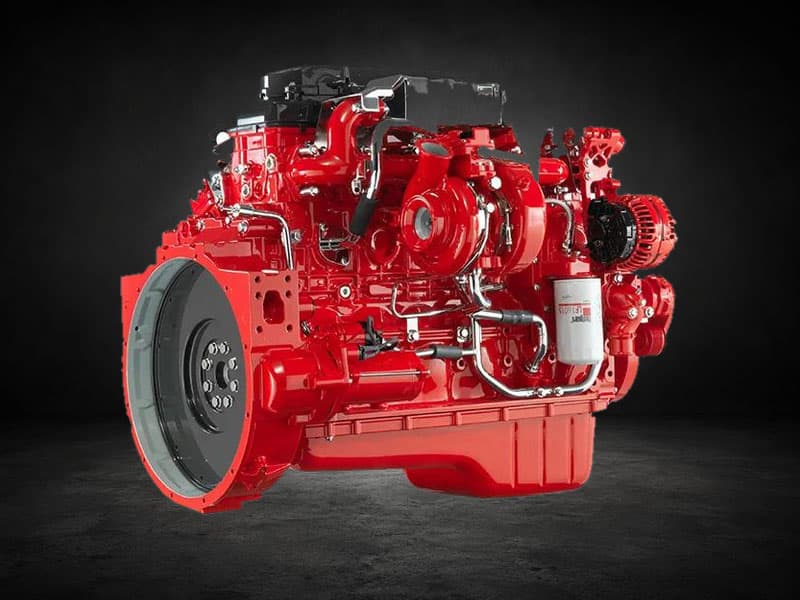
The Pre-Electronic B-Series
The Cummins B-series mechanical engines — the 5.9L 6BT and 6BTA, the 4BT four-cylinder variants, and the transitional 6.7L pre-electronic configurations — represent the era of Cummins B-series production before fully electronic engine management and modern emissions architecture. Production of the mechanical B-series spans the late 1980s through 2007, when EPA emissions requirements ended the mechanical era and pushed every B-platform Cummins to the fully electronic ISB family with its modern ECM, common-rail fuel system, and aftertreatment hardware.
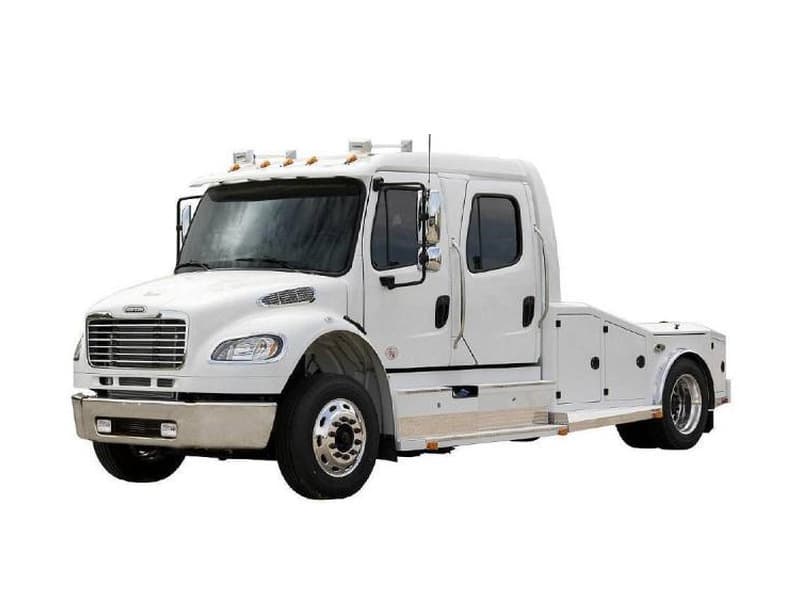
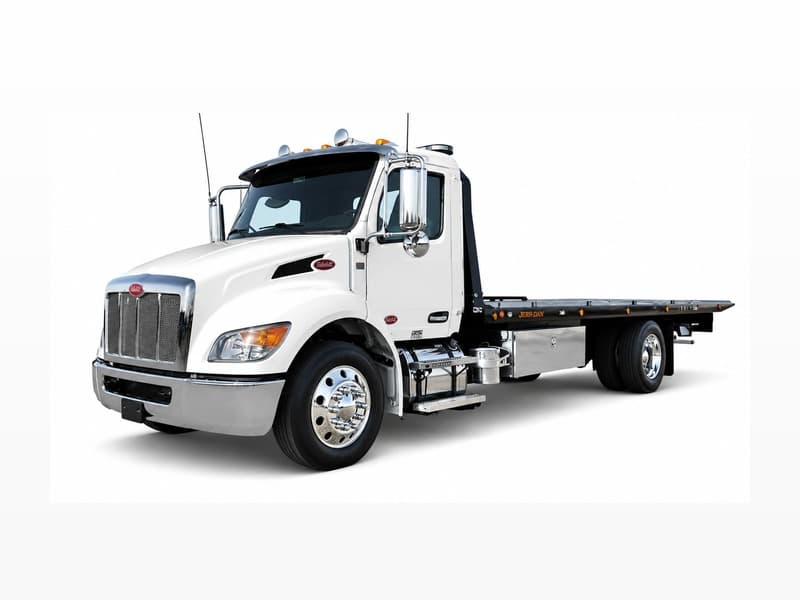
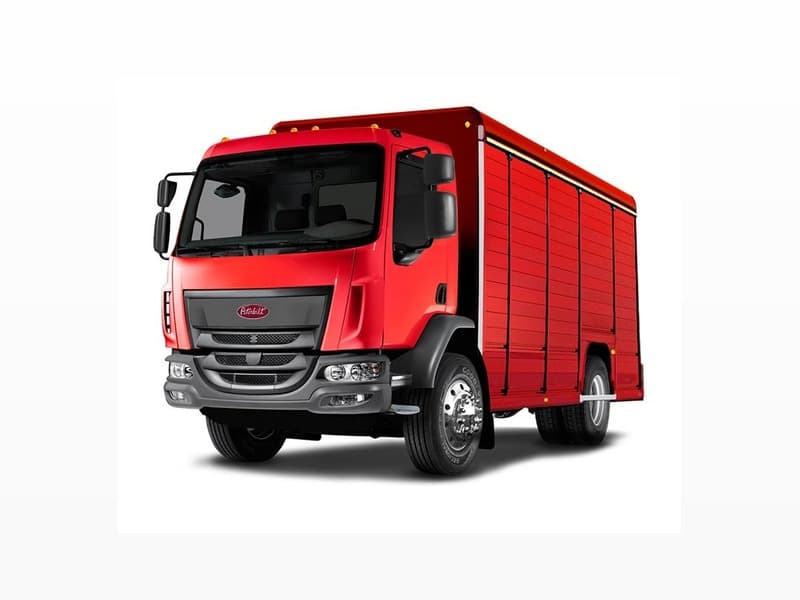
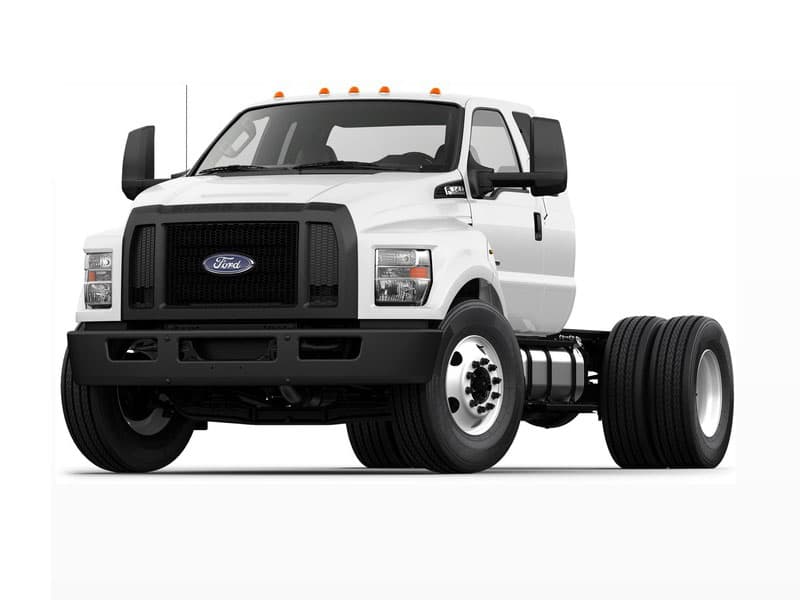
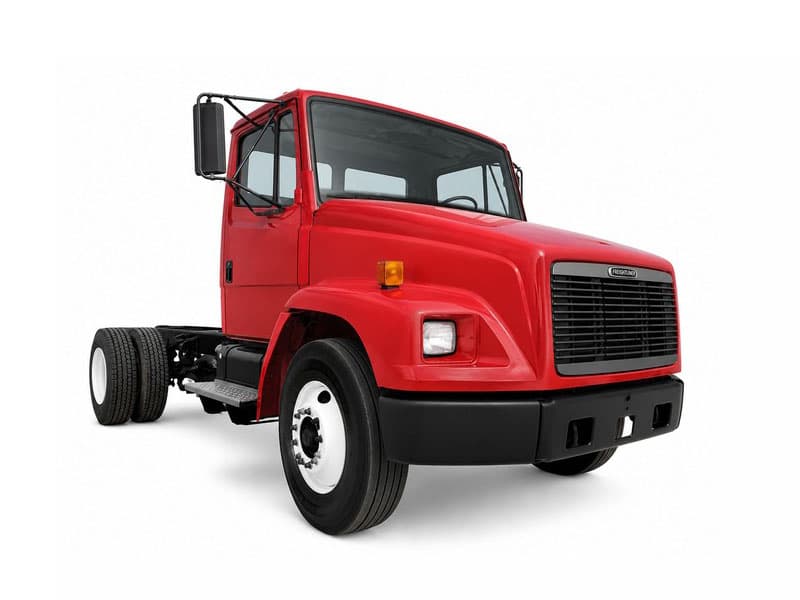
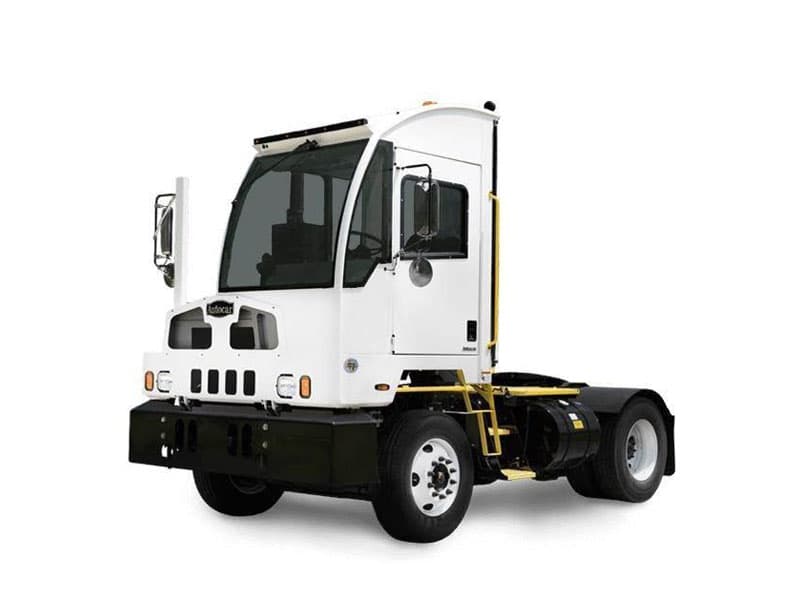
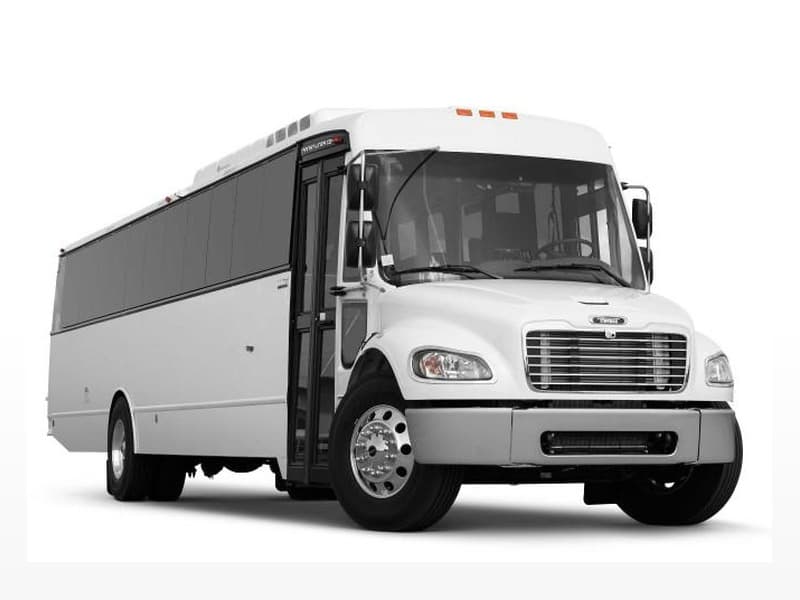
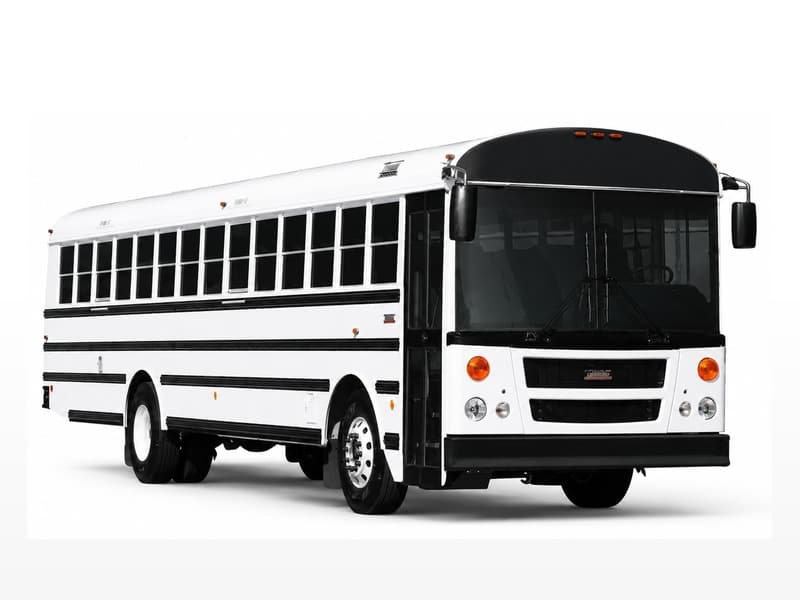
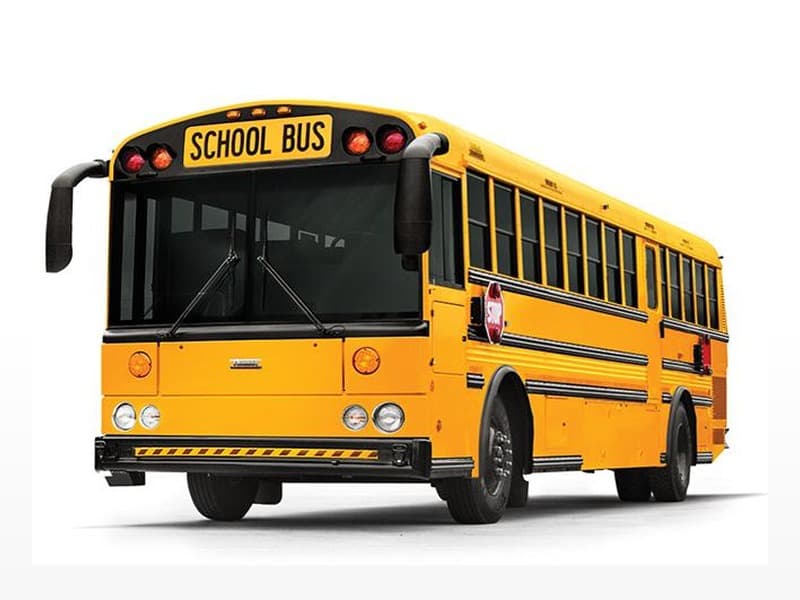
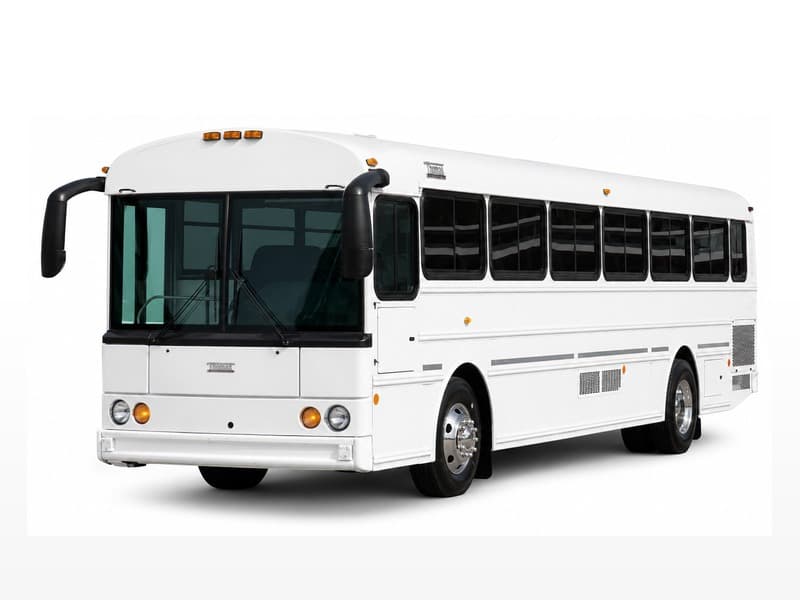
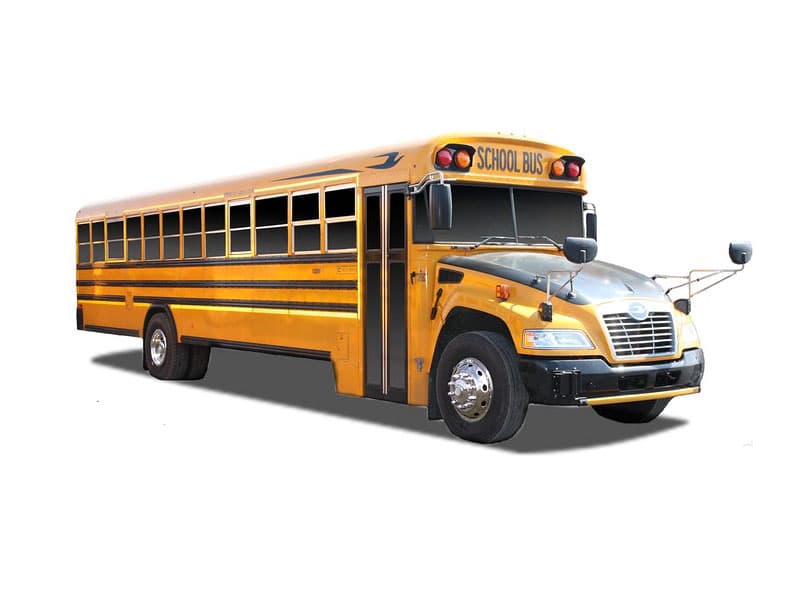
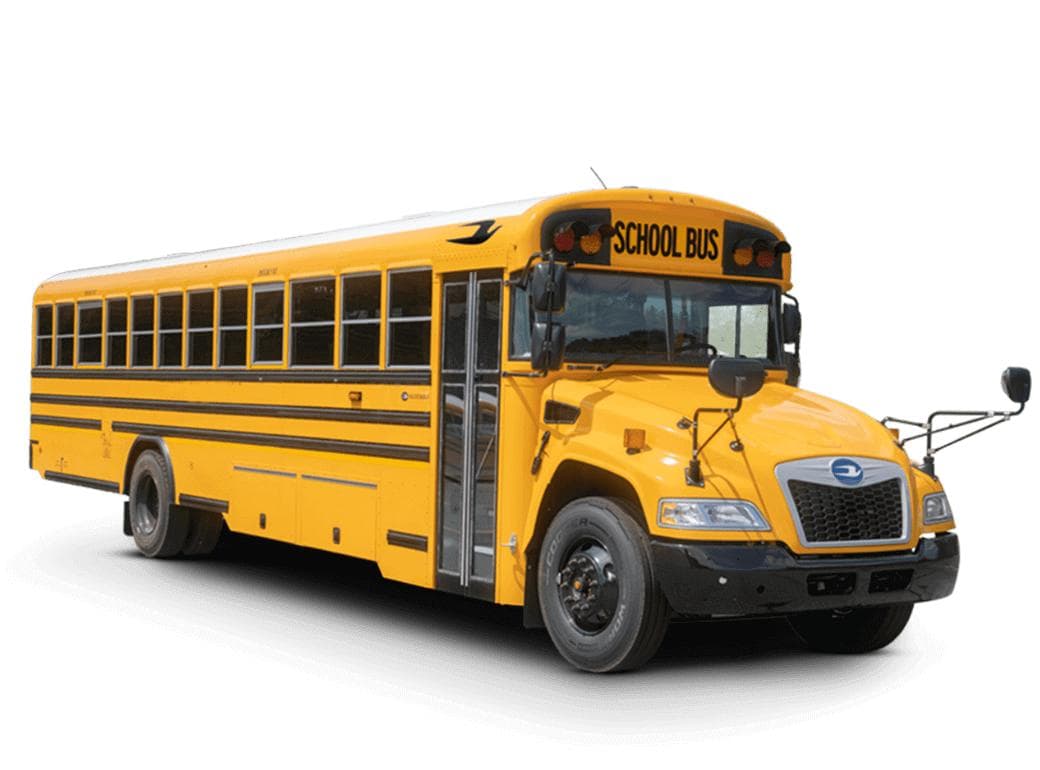
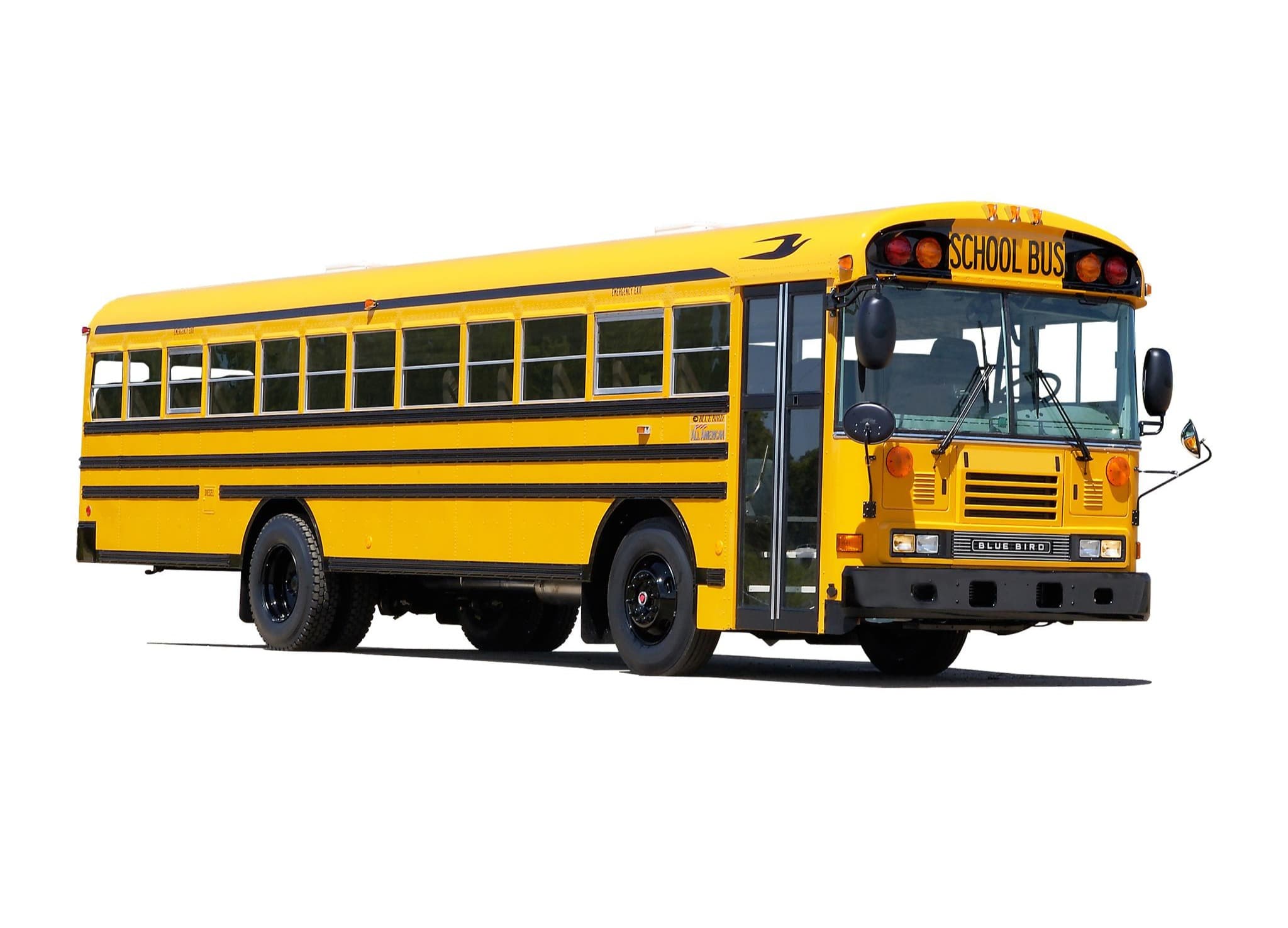
Pre-electronic B-series engines still in active service today are everywhere. Older RV chassis with Spartan, Freightliner, or Workhorse frames. Older medium-duty trucks — pre-2007 International medium-duty, Ford F-650 and F-750 pre-2008, Dodge Ram heavy-duty diesels (5.9L), and many other Class 4-7 applications. Agricultural equipment — combines, sprayers, and irrigation engines. Marine commercial work boats. Industrial gensets. School buses built in the 1990s and early 2000s. The platform has earned a reputation for outlasting nearly every other component on the equipment it powers.
What Programming Work Looks Like On Mechanical B-Series Engines
The honest framing here is that fully mechanical B-series engines — true mechanical-injection 6BT and 6BTA platforms with no electronic control — don't have an ECM to program. The calibration work on these engines is done at the injection pump, not in software. We do not provide injection pump rebuild or recalibration services on fully mechanical B-series engines.
Where we can help is on the transitional B-series configurations that bridged the mechanical and electronic eras. These include:
Early electronic B-series with mechanical-style architecture. Certain late-1990s and early-2000s B-series builds used early ECM modules that handled timing and fuel delivery decisions while retaining mechanical fuel pump fundamentals. These trucks have ECMs we can read, modify, and reprogram for performance or calibration recovery purposes.
B-series ISB transition platforms. The 2007-2008 transition between pre-EPA-2010 ISB and the modern ISB 6.7 produced a window of B-series configurations that ran early electronic architecture without the modern aftertreatment hardware. These trucks have ECMs that respond to standard Cummins INSITE diagnostics and can be programmed for performance, calibration recovery, or VIN matching.
Industrial and agricultural B-series with early electronic management. Industrial B-series variants used in gensets, agricultural equipment, and some marine applications run their own electronic architectures distinct from on-highway versions. We can work with most of these for performance tuning and calibration recovery on platforms where the ECM is accessible.
How To Tell Which B-Series You Have
The fastest way to determine whether your B-series engine has an ECM we can work with is to look at the engine data plate and the truck's diagnostic connector configuration. Engines built before approximately 1998 are predominantly mechanical and don't have ECMs. Engines built from 1998 onward increasingly used electronic management, with the transition happening at different times in different application categories — RV chassis, on-highway trucks, marine, and industrial all moved to electronic management on their own schedules.
If your truck or equipment has a standard SAE J1708 (6-pin) or SAE J1939 (9-pin) diagnostic connector, there's almost certainly an ECM accessible to Cummins INSITE for diagnostic and programming work. If your engine has no diagnostic connector at all, the engine is fully mechanical and outside our scope.
Sending us the engine serial number (printed on the data plate, usually on the side of the block) along with photos of the diagnostic connector area lets us determine whether your specific platform falls within what we support.
Service Paths For Supported B-Series Configurations
For electronic and transitional B-series platforms we support, the standard service paths apply. Ship-in is the most common — pull the ECM, ship to Fort Lauderdale, programming turnaround typically 2-3 business days. Remote programming works for shops with Cummins INSITE. On-site service is available for South Florida operators.
For fully mechanical B-series engines outside our scope, we're happy to refer customers to specialists who handle injection pump rebuild and mechanical calibration work. The mechanical B-series community is well-supported by a network of dedicated specialists; sending you to the right shop for the right work is often more valuable than trying to be everything to everyone.
Quotes for supported electronic B-series work return same business day. Tell us the year, the application (RV, medium-duty, industrial, marine), the engine serial number, and what you want out of the work.
Why The B-Series Still Has A Community
Older B-series Cummins engines have an active and dedicated owner community for one specific reason: these engines outlast everything around them. RVs built on Spartan or Freightliner chassis with B-series Cummins power often see the chassis, body, and accessory systems wear out long before the engine itself shows meaningful wear. Medium-duty trucks built with pre-2007 B-series engines routinely cross 500,000 miles on the original engine. Marine work boats and industrial gensets with B-series power are still in active service after decades of continuous duty.
This durability is what makes the question of whether a B-series engine can be programmed worth asking. The engines are worth keeping around, and the surrounding equipment is often worth restoring or repurposing rather than retiring. Where we can support that work, we do. Where we can't, we point customers to the right specialists.