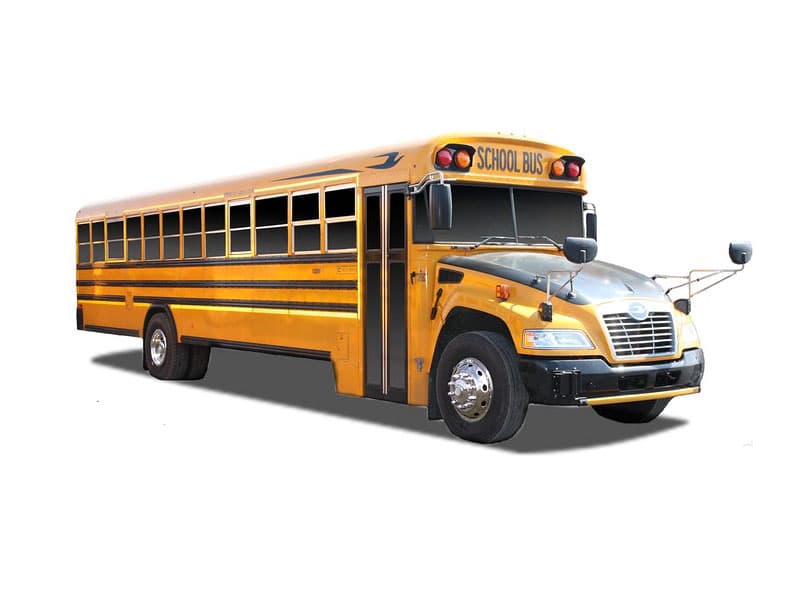
Blue Bird Vision — Blue Bird's flagship conventional school bus
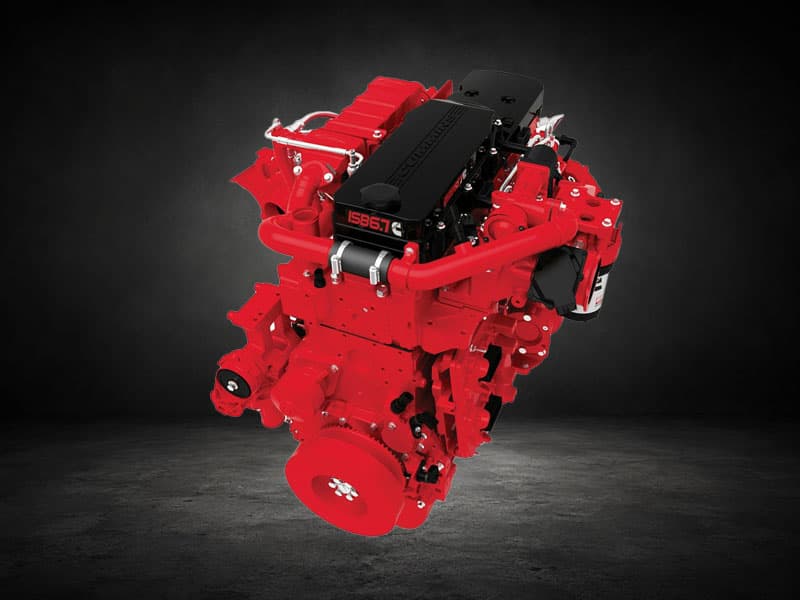
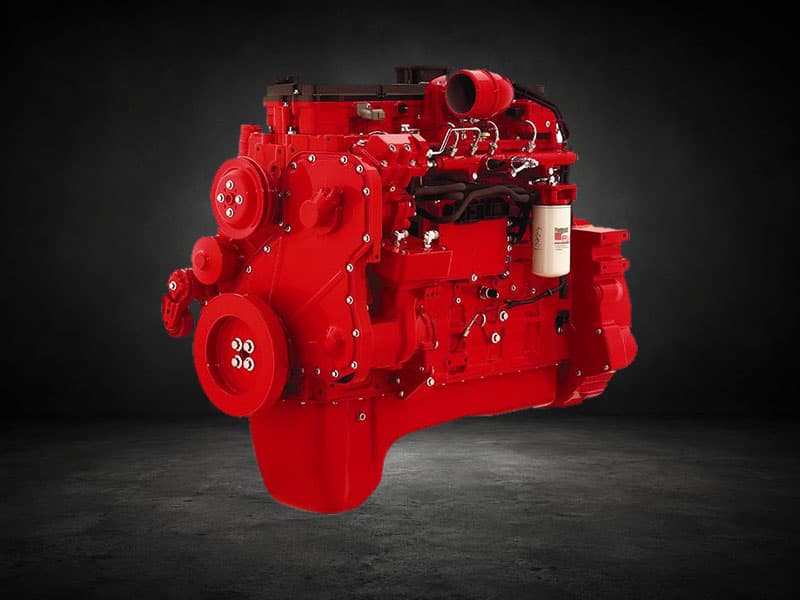
The Blue Bird Vision is Blue Bird Corporation's flagship Type C conventional school bus — in production since 2003 and serving as the dominant model in Blue Bird's school bus lineup. The conventional Type C configuration places the engine and hood ahead of the driver in traditional school-bus-conventional architecture, with the chassis built on a Blue Bird-specific platform optimized for school transportation operational reality. Vision configurations span standard 65/72/77/78 passenger configurations with the broader school bus operational range, with mostly Cummins B6.7 power across the modern production run.
The platform serves K-12 school district transportation, private school transportation, parochial school transportation, charter and activity bus service when school operations don't require the bus, and broader school transportation fleet work. The Vision competes in Type C conventional school bus against Thomas Built Buses Saf-T-Liner C2 and IC Bus CE Series. For school district fleet operators choosing between platforms, Vision selection depends on regional dealer support geography, prior fleet inventory composition, and operational priorities including parts and service network access. Blue Bird Corporation maintains a substantial school bus dealer network across North America, with regional Blue Bird dealers providing the primary service support pathway for Vision fleet inventory.
Why Vision Buses Come To Our Bench
Vision calibration work tracks school transportation operational reality with Cummins B6.7 and L9 platform behavior under school bus duty cycles:
DPF derate on school bus duty cycles. School bus operations produce duty cycle patterns the DPF system wasn't engineered around. Twice-daily route operation with frequent stops, sustained low-speed neighborhood driving, summer downtime with sustained non-operation, and the broader school transportation operational reality produce DPF accumulation patterns that trigger active regen cycles which struggle to complete. Derate hits at predictable hour or mileage thresholds depending on route intensity.
DEF dosing failures on EPA 2010+ Vision buses. Standard post-2010 pattern, expressed through school bus operational stress. Vision buses accumulating mileage show DEF dosing failures, NOx sensor drift, SCR catalyst efficiency drops, and inducement countdown patterns clustering at predictable thresholds.
EGR cooler degradation on aging school bus fleet. Standard Cummins pattern, expressed through school bus operational reality. Coolant intrusion into intake, intermittent fault codes, eventual catastrophic failure if untreated. School bus fleet operators typically face these issues clustered around 200,000-350,000 mile thresholds.
Cold-start calibration considerations. School bus operations involve cold-start patterns that affect aftertreatment system stress. Twice-daily cold starts through the school year, summer downtime followed by abrupt return to daily service, and the broader operational pattern produce calibration challenges that school district fleet operators eventually need to address.
Calibration recovery on Cummins ECMs. Standard recovery scope across B6.7 and L9 platforms.
Cummins Calibration Approach For Blue Bird Buses
Vision calibration work uses Cummins INSITE diagnostic with B6.7 and L9 specific calibration libraries. The libraries account for school bus duty cycle operational reality — school transportation operations produce stress patterns that highway-cycle or general commercial calibrations don't anticipate.
For each Vision customer, intake conversation centers on engine identification, application (school district fleet, charter, activity bus, broader commercial passenger), fleet size, and the specific operational pattern before scoping the work.
Service Paths For Vision Programming
Ship-in is the most common path. Pull the ECM, ship to Fort Lauderdale, 2-3 day programming turnaround. Remote programming works for shops with Cummins INSITE diagnostic access. On-site service is available for South Florida school districts and charter operators running Vision fleet inventory.
Quotes return same business day. Tell us the year, the engine (Cummins B6.7 or L9), the application, fleet size, and current operational situation. For school district fleet customers, charter operators, and broader passenger transportation operators running multiple Vision buses, multi-vehicle programming pricing applies and scheduling typically coordinates around school year calendar (summer downtime is the natural calibration work window for school district fleets).
The Vision In School Transportation Context
The Vision represents Blue Bird Corporation's commitment to the school transportation market, anchored by Cummins B6.7 and L9 power that defines the modern school bus market. Our calibration work draws on the broader school transportation expertise we maintain across Blue Bird Vision and All American configurations, Thomas Built Buses Saf-T-Liner and Transit-Liner configurations, and IC Bus school bus configurations.
For school district fleet customers planning calibration strategy across mixed-OEM school bus inventory, our broader school transportation platform expertise covers all major school bus platforms consistently. The result is consistent calibration outcomes across mixed-OEM school bus fleets regardless of specific platform.
School Bus Duty Cycle Reality
School bus operations produce a distinctive duty cycle that calibration approaches need to anticipate. Twice-daily cold-start patterns through the school year, route operational tempo with frequent stops and student loading/unloading cycles, summer downtime with sustained non-operation followed by abrupt return to daily service in late August, and the broader school transportation operational reality all factor into how the Vision's Cummins B6.7 calibration performs over operational service life. Our calibration work for Vision school bus fleet operators draws on the broader school transportation duty cycle expertise we maintain across the school bus fleet population — IC Bus CE, Thomas Built Saf-T-Liner C2, and similar Type C conventional platforms — applied specifically to the Vision's operational deployment.