The EGR-Only Architecture And Its Diagnostic Consequences
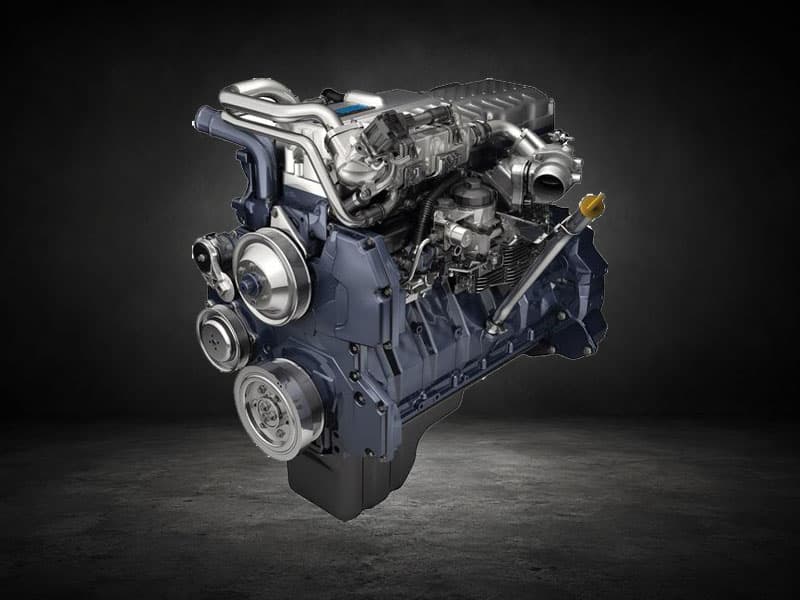
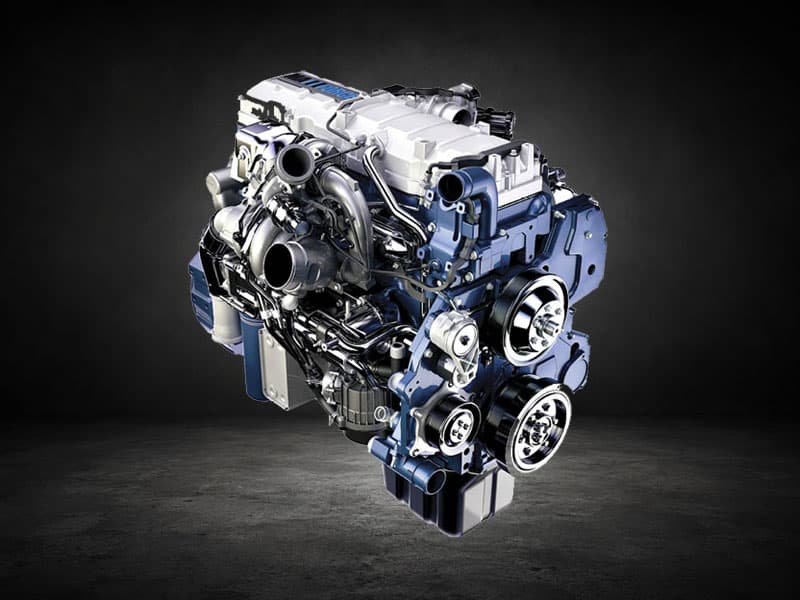
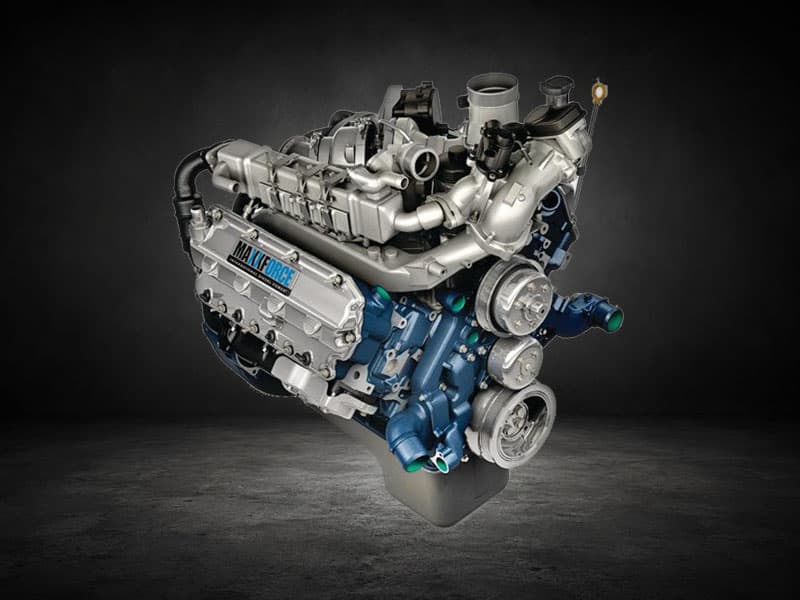
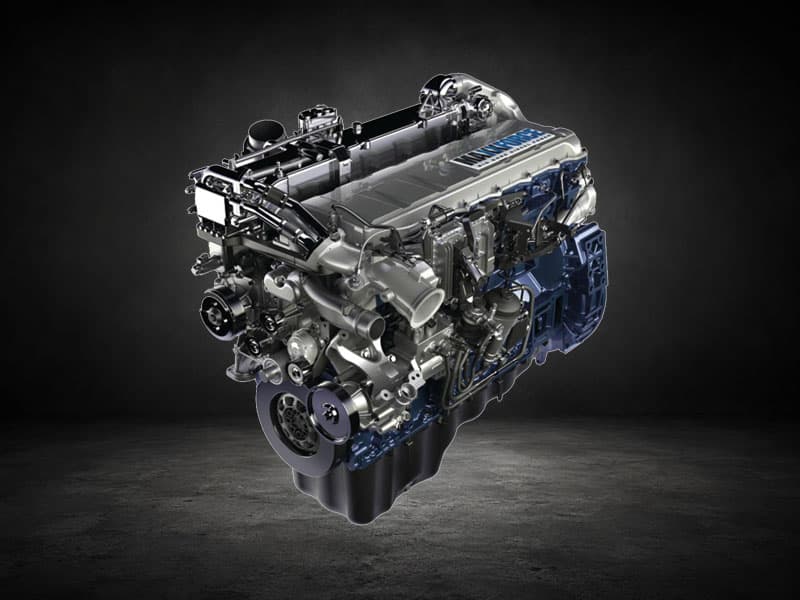
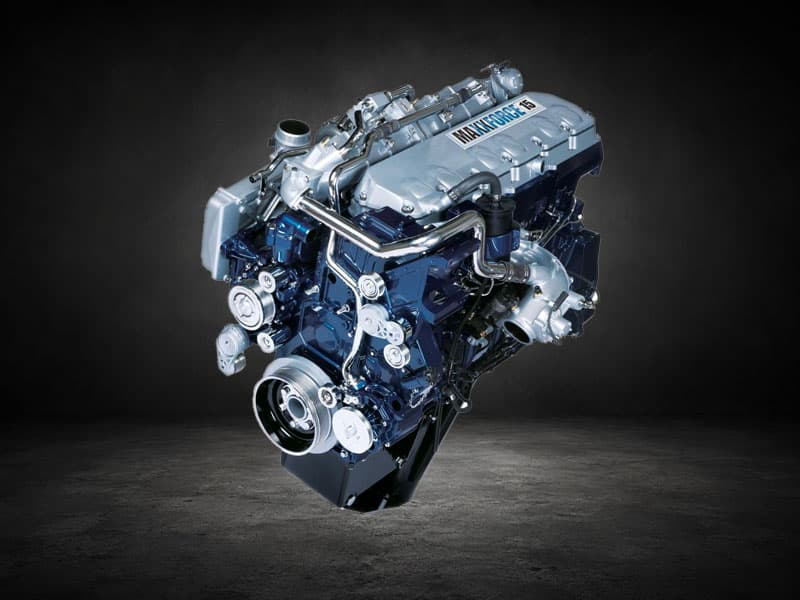
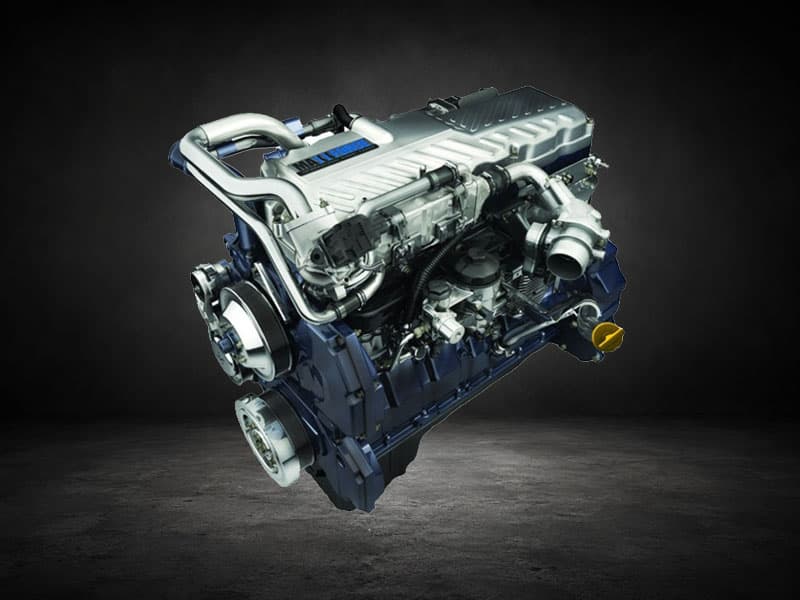
Most heavy-duty diesel manufacturers transitioned to SCR-equipped emissions architecture for EPA 2010 — Cummins, Paccar MX, Volvo, Mack, Detroit, and Cat all use DEF and SCR catalysts to handle NOx reduction. Navistar took a different path and built the MaxxForce 11, 13, and 15 platforms around aggressive EGR rates without SCR. The strategy aimed to meet EPA 2010 emissions standards through engine-out NOx reduction rather than aftertreatment NOx reduction.
The architecture had real operational consequences. Sustained high EGR rates produced more soot and more thermal stress on EGR coolers than SCR-equipped competitors experienced. DPF systems carried more aftertreatment burden because they handled both particulate and the aftermath of high-soot combustion. EGR coolers failed earlier and more frequently than industry norms. The result was a fault code library dominated by aftertreatment and EGR-related codes appearing at lower mileage thresholds than equivalent SCR-equipped platforms.
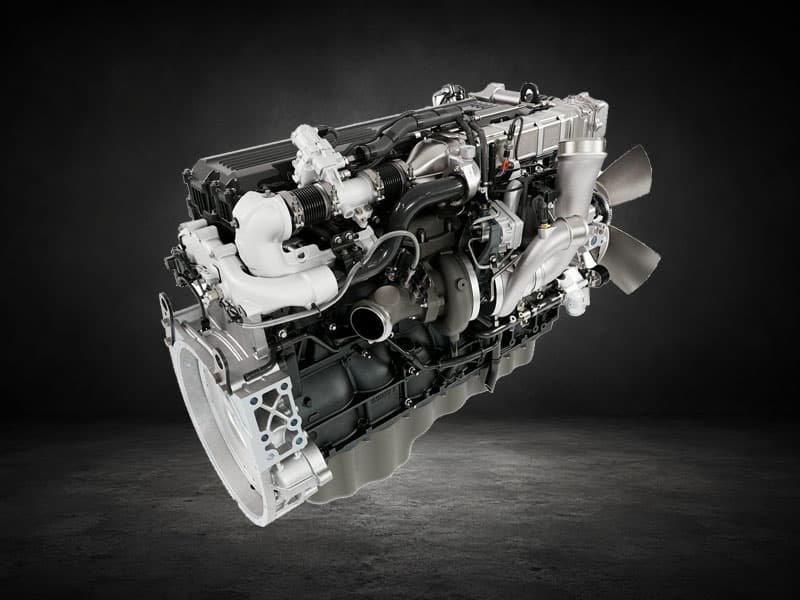
Navistar exited the EGR-only architecture for the A26 platform in 2017, which adopted SCR-equipped design like the rest of the industry. The legacy MaxxForce 11/13/15 fleet continues operating but represents an aging population with characteristic failure patterns that the original architecture made unavoidable.
DPF Fault Code Patterns On MaxxForce
DPF restriction codes (SPN 3251 in FMI 0, 15, 16 progressions) are the single most common code family on the MaxxForce platform. The high-soot output characteristic of the EGR-only architecture produced DPF accumulation patterns that arrived earlier and progressed faster than equivalent SCR-equipped platforms in similar service.
DPF soot load codes (SPN 3719) and ash load codes (SPN 3720) typically appear at lower mileage on MaxxForce platforms than on SCR-equipped competitors. Active regen incompletion codes (SPN 3712) cluster heavily with the restriction codes because the sustained high backpressure made successful regen completion harder.
The aftertreatment fuel injector (SPN 3479, SPN 3480) failure patterns track operational conditions producing failed regens. MaxxForce trucks accumulated injector failures faster than industry norms because the underlying operational pattern produced more failed regens. The injector failure pattern often cycles — replacement injector fails again within months as the underlying operational issues continue.
EGR System And Cooler Fault Codes
The MaxxForce EGR system carried operational stress that other platforms' EGR systems didn't experience. EGR valve actuator codes (SPN 2791) and position disagreement codes (SPN 411) appear more frequently. EGR temperature codes (SPN 412) appear earlier than industry norms.
EGR cooler failures are the dominant operational reality of the legacy MaxxForce fleet population. Many MaxxForce coolers failed well before 300,000 miles in moderate operational conditions — substantially earlier than equivalent Cummins, Paccar MX, Volvo, or Mack coolers in similar service. The fleet-wide EGR cooler reliability issue was a significant factor in the broader operational economics of legacy International truck inventory.
When EGR cooler failure progresses to coolant entering the intake, code clusters expand to include coolant temperature (SPN 110), coolant level (SPN 109), and eventually engine protection codes if combustion contamination progresses. The cluster pattern is characteristic enough that an experienced MaxxForce diagnostician often recognizes the failure mode from the dashboard before connecting to the diagnostic tool.
The ServiceMaxx Diagnostic Ecosystem
International Truck and Navistar use the ServiceMaxx diagnostic platform for MaxxForce engines. ServiceMaxx connects through the J1939 datalink and provides fault code reading, parameter monitoring, and (with appropriate licensing) calibration update capability across the MaxxForce platform family.
ServiceMaxx layers MaxxForce-specific fault code identification on top of the standard J1939 SPN/FMI codes. Many MaxxForce service literature references use proprietary code numbers alongside the SPN/FMI codes. Working diagnostically across MaxxForce trucks benefits from familiarity with both numbering conventions because customers may share codes from either source depending on what diagnostic tool was used.
For customers without ServiceMaxx access, third-party J1939 scan tools read the standard SPN/FMI codes that drive most operational diagnoses. The proprietary MaxxForce code layer adds context but isn't required for narrowing the underlying issue. Our diagnostic conversation typically works from whatever codes the customer can share — the patterns are familiar enough that recognition is fast.
Working With Legacy MaxxForce Inventory
The legacy MaxxForce fleet population continues operating across International DuraStar, WorkStar, ProStar, LoneStar, and TerraStar trucks built through approximately 2017. The trucks are aging now — many are past 500,000 miles and showing accumulated wear alongside the original architectural issues.
For operators running legacy MaxxForce inventory, the diagnostic conversation often spans multiple compounding patterns simultaneously. DPF accumulation, EGR cooler issues, aftertreatment fuel injector wear, and general high-mileage engine wear may all be active at the same time. Sorting through what's the primary operational issue versus what's secondary takes more diagnostic patience than equivalent work on newer SCR-equipped platforms.
Calibration approaches that worked on these trucks at lower mileage often need adjustment as the underlying hardware ages. For trucks where ongoing aftertreatment service represents an unsustainable operational economic burden — particularly off-road and export-bound trucks — combined DPF + EGR delete eliminates the recurring failure surface. For trucks staying in compliant on-road service, the conversation is more about managing the operational economics of an aging architecture than reversing the underlying patterns.