The Cummins Diagnostic Ecosystem
Cummins INSITE is the OEM diagnostic platform across the modern Cummins lineup. It connects through the J1939 datalink (typically the 9-pin Deutsch connector on the truck), pulls active and historical fault codes, displays freeze-frame data captured when each code triggered, and provides parameter monitoring across the full sensor suite. INSITE is the diagnostic platform we use daily for Cummins work — fault code analysis, calibration verification, and pre-shipment diagnostic capture across the Cummins fleet population.
Cummins fault codes appear in two parallel numbering systems. The J1939 standard SPN/FMI codes (Suspect Parameter Number and Failure Mode Identifier) are the universal heavy-duty diesel code framework. Cummins also uses proprietary FC numbers (Cummins Fault Codes) layered on top of the SPN/FMI standard — INSITE displays both, and Cummins service literature usually references the FC number. Working through a diagnostic conversation, knowing both numbering systems matters because operators may share codes from either source.
For customers without INSITE access, we work from whatever diagnostic data is available — dashboard photos, fault codes from third-party scan tools, fleet management system reports, or descriptions of the active warning lights. The diagnostic conversation typically narrows the underlying cause from operational context alone, and INSITE-grade data confirms or refines the working hypothesis.
Aftertreatment And DPF Fault Codes
DPF and aftertreatment codes dominate the Cummins fault code population on post-2007 trucks. The DPF was engineered around highway-cycle operation, and the operational reality of fleet trucks frequently produces patterns that generate aftertreatment fault codes.
SPN 3251 (DPF differential pressure) is the single most common DPF code we see. FMI 0 indicates the sensor is reading abnormally high — the DPF is producing more backpressure than expected. FMI 15 and 16 represent progressive severity levels of the same underlying restriction. The code itself doesn't distinguish between actual DPF restriction, sensor drift reading high, or operational patterns that produce excessive soot loading — that's where the diagnostic conversation matters.
SPN 3719 (DPF soot load) and SPN 3720 (DPF ash load) track the ECM's calculated estimates of substrate condition. SPN 3712 (active regen inhibited) appears when the ECM tried to initiate regen but couldn't — operational conditions blocked the regen attempt. SPN 3936 (aftertreatment system condition) is a broader aftertreatment status code that often clusters with the specific restriction or regen codes.
SPN 3479 and SPN 3480 reference the aftertreatment fuel injector (the 9th injector). Failures here block active regen completion — the injector can't deliver the fuel needed for DOC light-off. The code cluster of SPN 3251 + SPN 3479 + SPN 3712 is a classic Cummins aftertreatment-driven derate progression pattern.
DEF, SCR, And NOx Inducement Codes
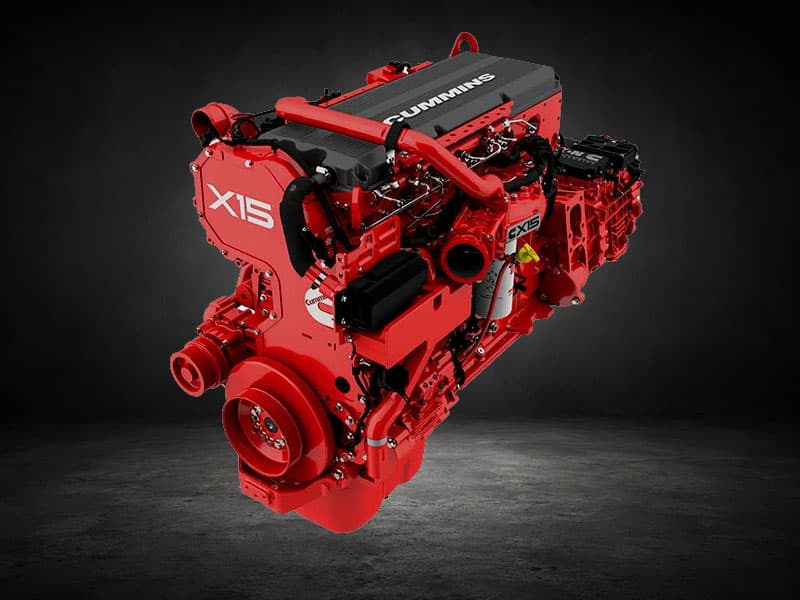
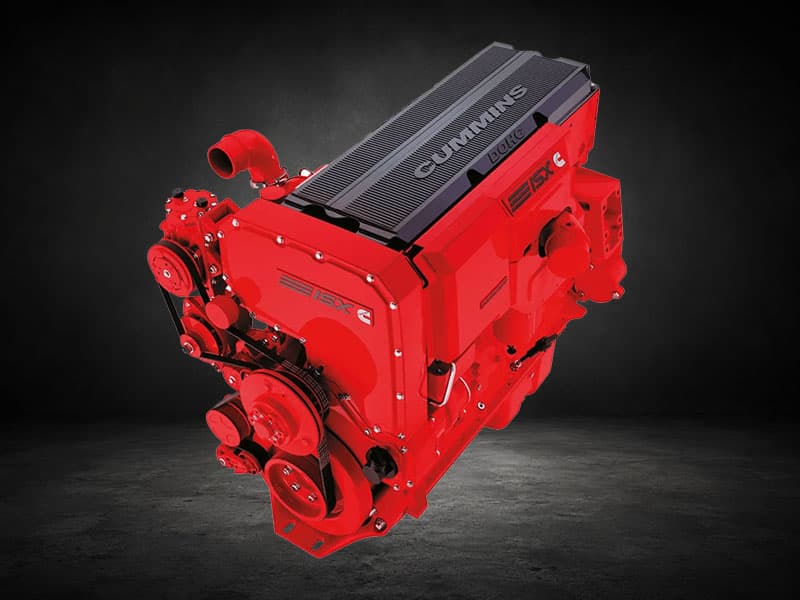
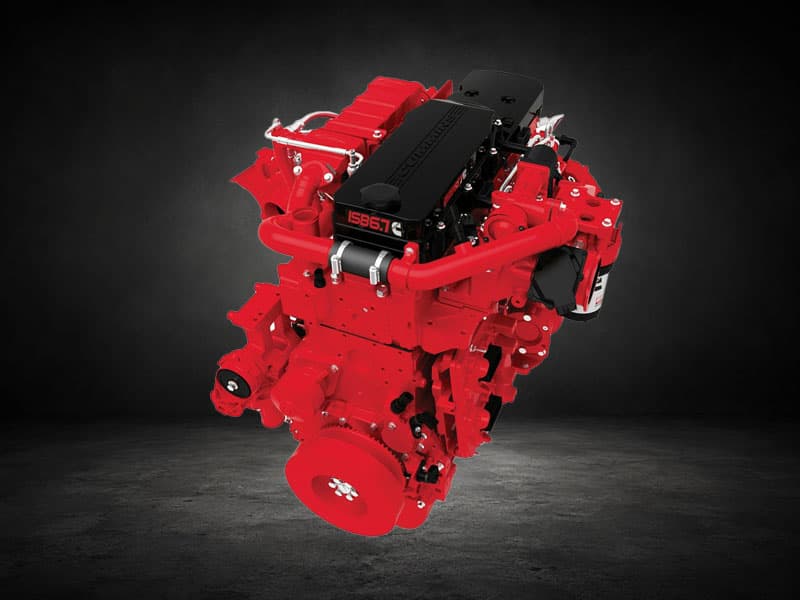
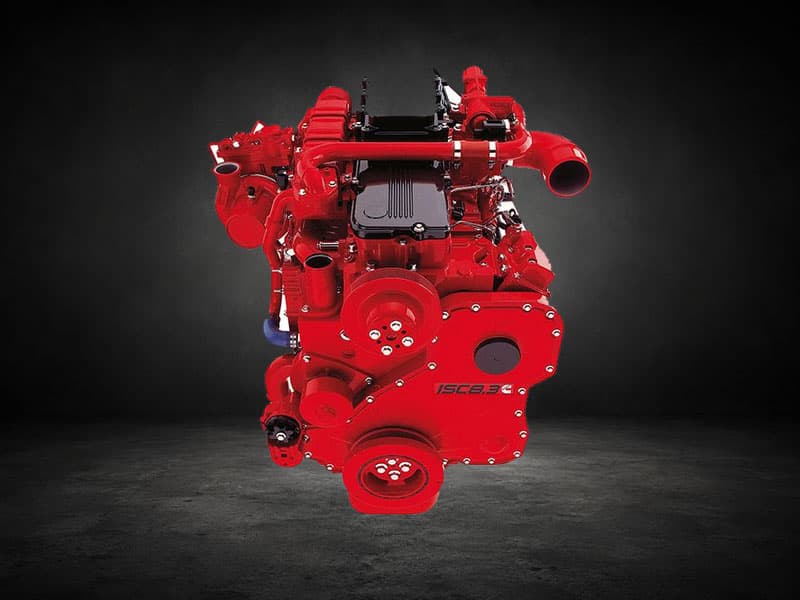
Cummins EPA 2010+ platforms (ISX12, ISX15, X15, post-2013 ISB/ISC/ISL) add SCR-related codes to the aftertreatment fault library. The SCR system uses DEF (diesel exhaust fluid) injected into the exhaust stream upstream of the SCR catalyst, where it reacts with NOx to produce nitrogen and water.
SPN 5246 (aftertreatment SCR operator inducement) is the code that drives the most consequential derate progressions on modern Cummins trucks. The ECM uses a graduated inducement schedule when it detects SCR system issues — initial warning, progressive derate stages, ultimately severe operational restriction. The inducement schedule is regulated by EPA emissions standards rather than chosen by Cummins, which is why the derate progression feels mandatory rather than calibration-driven.
SPN 4334 (DEF dosing) and SPN 4364 (SCR conversion efficiency) often cluster with SPN 5246. NOx sensor drift (SPN 3216 family) frequently triggers SCR conversion efficiency codes that progress toward inducement. DEF pump pressure issues, DEF dosing injector failures, and DEF quality sensor failures all eventually drive inducement-related codes.
EGR System Fault Codes
The Cummins EGR system uses electronically-controlled EGR valves with position feedback and EGR coolers to manage exhaust gas recirculation rates. EGR-related fault codes cluster around three failure modes: valve actuator failures, position sensor disagreement with actual valve position, and EGR cooler failures.
SPN 27 (EGR valve position) and SPN 411 (EGR position desired vs actual) appear when the ECM commands a valve position the actual valve doesn't reach. SPN 2791 references the EGR valve actuator directly. SPN 412 (EGR temperature) tracks the EGR cooler outlet temperature — abnormally high readings often point at EGR cooler issues, abnormally low readings can indicate sensor failure or coolant contamination of the exhaust path.
On Cummins ISX and X15 platforms specifically, EGR cooler failures appear as a fleet-wide pattern past the 500,000-mile threshold. The cooler fault code cluster typically includes SPN 412 alongside coolant temperature codes (SPN 110) and coolant level codes when coolant loss progresses. Diagnosing whether elevated EGR temperatures reflect actual cooler issues versus sensor drift requires looking at the broader code cluster and operational history.
Engine Protection And Derate Codes
Cummins engine protection codes drive derate independently of the emissions-driven inducement schedules. These codes reflect the ECM detecting conditions that would damage the engine if normal operation continued.
SPN 110 (coolant temperature) and SPN 100 (engine oil pressure) drive thermal and lubrication-driven derate. SPN 101 and SPN 1387 reference crankcase pressure — abnormally high readings can reflect either DPF backpressure pushing combustion gases past piston rings or genuine engine wear producing increased blow-by. SPN 723 references engine speed sensors; failures here can prevent normal operation entirely.
Engine protection derate is harder to clear than emissions-driven derate because the underlying issue typically requires actual hardware service rather than calibration approaches. Calibration work can affect operational stress patterns that contribute to protection codes, but it can't override the protection logic when actual mechanical issues are present.
Working Through A Cummins Fault Code Cluster
Effective diagnosis works through the cluster pattern rather than individual codes. A single fault code rarely tells the full diagnostic story — the cluster of related codes points more clearly at the underlying issue.
Standard diagnostic conversation: what active codes is the truck showing right now, what codes are in the historical record but currently cleared, what was the truck doing operationally when codes first appeared, what service has been performed recently, has the pattern been recurring. From that conversation we typically narrow the underlying cause and identify whether the appropriate response is calibration work, hardware service, or a combination.
For fleet customers running multiple Cummins-powered trucks, the conversation often expands to fleet pattern analysis. Recurring fault code patterns across the fleet typically reflect a common underlying issue — operational duty cycle producing patterns the calibration didn't anticipate, fleet-wide aging at predictable mileage thresholds, common service or fueling patterns affecting the broader fleet. Recognizing the pattern at the fleet level surfaces causes and resolution approaches that individual-truck diagnosis might miss.