The Cat Diagnostic Ecosystem
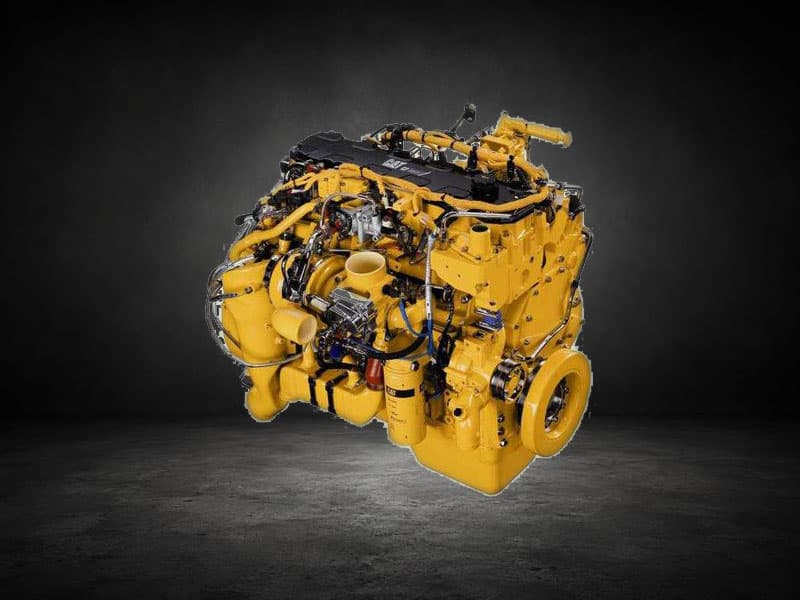
Cat Electronic Technician (Cat ET) is the diagnostic platform across the Cat engine product line, covering both on-highway truck engines (C7 through C18) and industrial off-highway engines (C0.5 through 3500 series). Cat ET connects through Cat's diagnostic communication adapters and provides fault code reading, parameter monitoring, configuration access, and calibration capabilities.
Cat uses two parallel fault code numbering systems. Standard J1939 SPN/FMI codes appear as the universal heavy-duty diesel framework. Cat also uses proprietary CDL (Caterpillar Data Link) event codes — typically presented as E-codes or numeric event IDs — that provide Cat-specific diagnostic context layered on top of the SPN/FMI standard. Cat service literature usually references the Cat-specific code numbers, while third-party scan tools typically display the J1939 SPN/FMI equivalents.
Working diagnostically across the Cat platform requires recognizing which code system a customer is referencing. Cat ET displays both numbering systems simultaneously, but operators sharing diagnostic information from dealer interactions versus third-party tools may use different code references for the same underlying issue.
ACERT Architecture And Diagnostic Implications
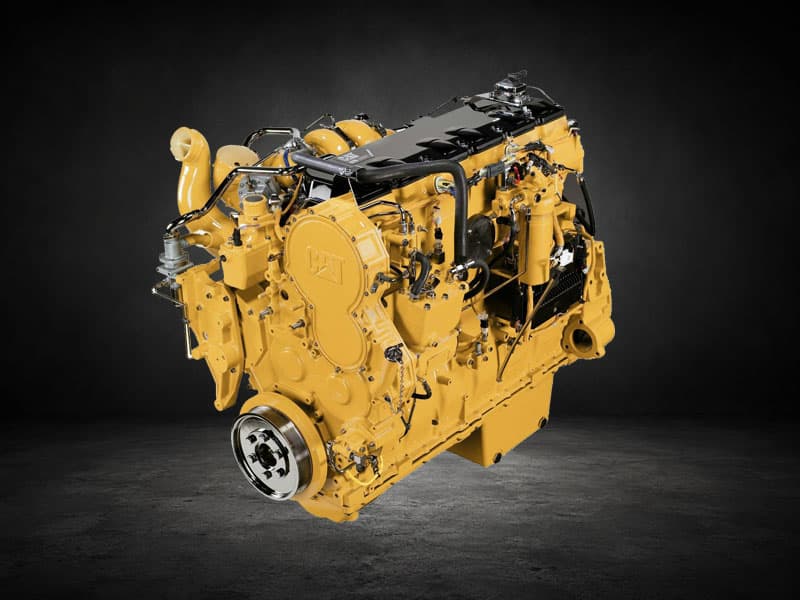
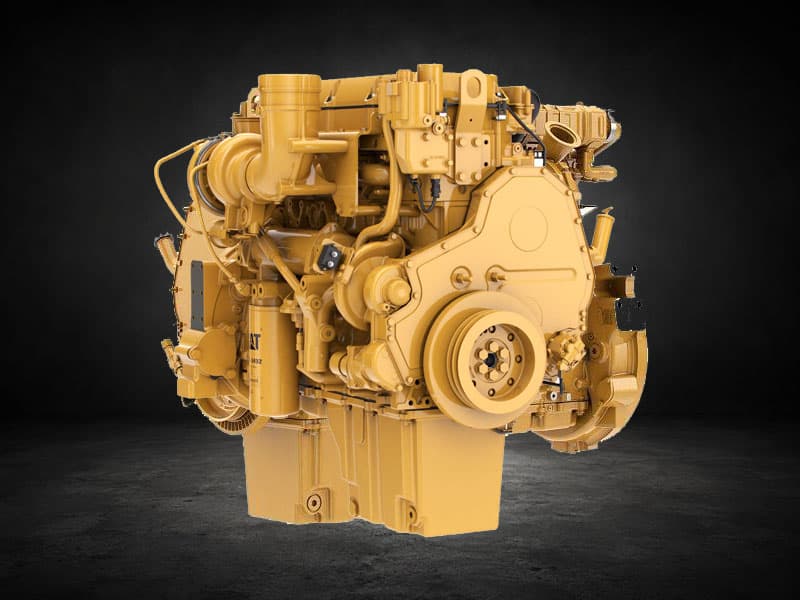
Cat's ACERT (Advanced Combustion Emissions Reduction Technology) emissions architecture took a different path than most heavy-duty diesel competitors for the EPA 2007 emissions transition. ACERT used variable valve timing, advanced injection strategies, and Cat-specific aftertreatment design to meet emissions standards.
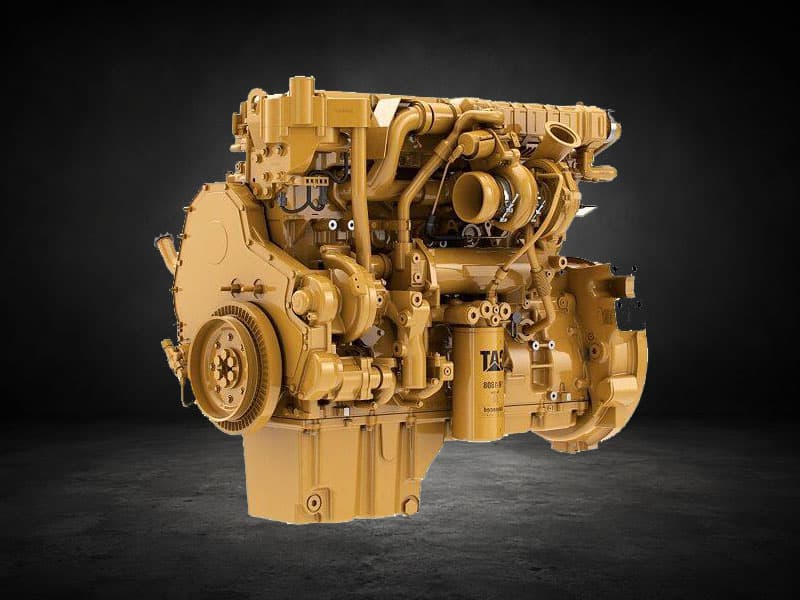
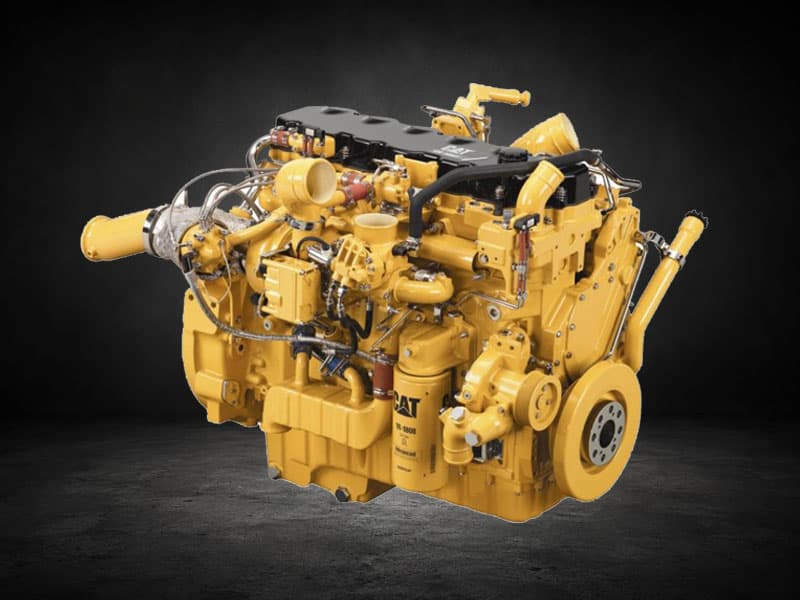
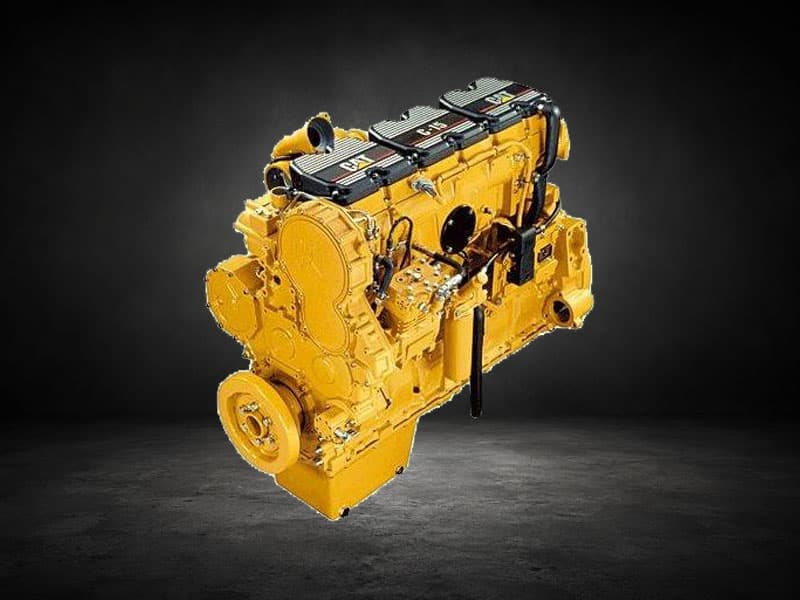
The architecture had distinct fault code patterns from Cummins, Paccar MX, and other competitors. EGR system patterns differed because ACERT used different EGR strategies. DPF-related codes still followed J1939 SPN/FMI conventions but appeared in Cat-specific clusters that reflected the ACERT calibration approach. Cat C13 and C15 ACERT platforms in particular have characteristic diagnostic patterns that experienced technicians recognize.
Cat exited the on-highway truck engine market for new sales after 2009 due to EPA 2010 emissions challenges with the ACERT approach. The legacy on-highway Cat fleet continues operating across many fleets — particularly C13 and C15 powered trucks in long-haul service, vocational service, and oilfield/mining service where Cat reliability and torque characteristics remain valuable. Diagnosis on this fleet typically involves an aging platform with characteristic patterns.
Common Fault Code Patterns On C13 And C15
DPF-related codes follow the broader heavy-duty fleet patterns. SPN 3251 (DPF differential pressure) appears with the same FMI progression patterns. SPN 3712 (active regen inhibited) flags failed regen attempts. SPN 3479 and SPN 3480 reference the aftertreatment fuel injector. The Cat ACERT approach to aftertreatment produced similar operational realities to other platforms despite different underlying architectural choices.
EGR codes track ACERT-specific patterns. SPN 27 (EGR valve position), SPN 411 (EGR position desired vs actual), SPN 412 (EGR temperature), and SPN 2791 (EGR valve actuator) all appear. Cat-specific EGR diagnostic patterns reflect the ACERT calibration approach and may produce code clusters that look somewhat different from Cummins or Paccar equivalents even when the underlying issue is similar.
Cat-specific engine protection codes drive derate independently of emissions-related inducement. Coolant temperature codes (SPN 110), oil pressure codes (SPN 100), and Cat-specific event codes for combustion conditions all participate in engine protection logic. The protection-driven derate progression reflects Cat's calibration approach to engine preservation under abnormal operating conditions.
Industrial Versus On-Highway Cat Diagnostic Patterns
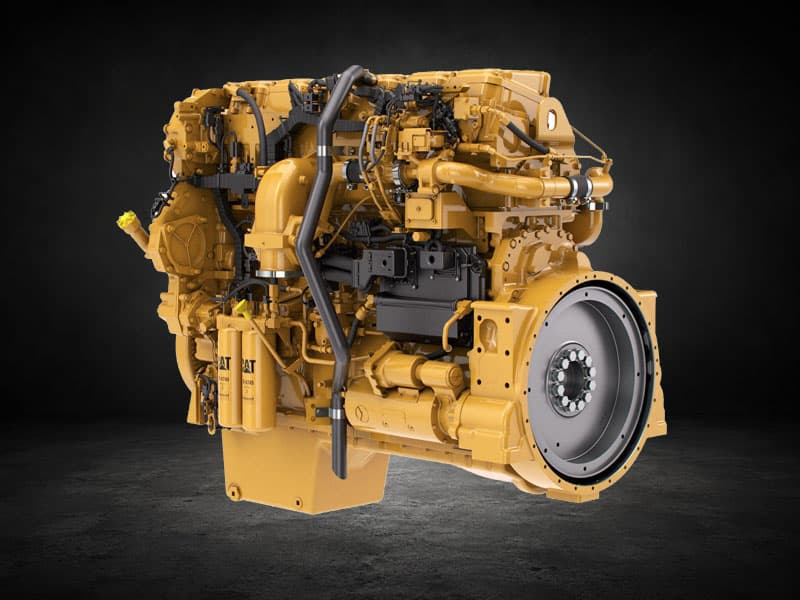
Cat's industrial engine product line (C0.5 through 3500 series, including the C9, C13, C15, C18, C27, and C32 industrial platforms) shares core diagnostic architecture with the on-highway Cat platforms but with substantially different operational realities.
Industrial Cat engines in mining, oilfield, construction, marine, agriculture, generator, and stationary power applications experience operational patterns that the on-highway diagnostic patterns don't predict. Sustained high-load operation produces different fault patterns than highway-cycle service. Application-specific calibrations (mining duty, marine duty, generator duty) configure the ECM and diagnostic thresholds differently than the equivalent on-highway truck calibration.
Working diagnostically across industrial Cat engines requires recognizing the application context. The same SPN code can mean different things on a C15 ACERT in long-haul truck service versus a C15 industrial powering a mining haul truck versus a C15 in a marine application. Cat ET provides the calibration and configuration context that distinguishes these applications.
Approaching A Cat Fault Code Diagnostic Conversation
Effective Cat diagnostic conversation works through the platform, the application context, the active and historical fault codes, the operational history, and the diagnostic ecosystem the customer has been using.
Customers working through dealer service typically have Cat ET-grade diagnostic data with Cat-specific code references. Customers working through independent shops may have third-party scan tool data with SPN/FMI references. Owner-operators and fleet customers without diagnostic tool access work from dashboard observations and operational symptoms. All three diagnostic information levels can produce effective diagnoses; the conversation adapts to what's available.
For fleet customers running multiple Cat-powered trucks or equipment, fleet pattern recognition often surfaces causes that individual-unit diagnosis would miss. Recurring patterns across the Cat fleet population typically reflect operational duty cycle factors, fleet-wide aging at predictable thresholds, or calibration patterns that benefit from adjustment to match actual operational reality.