The Paccar-Badged Cummins B-Series
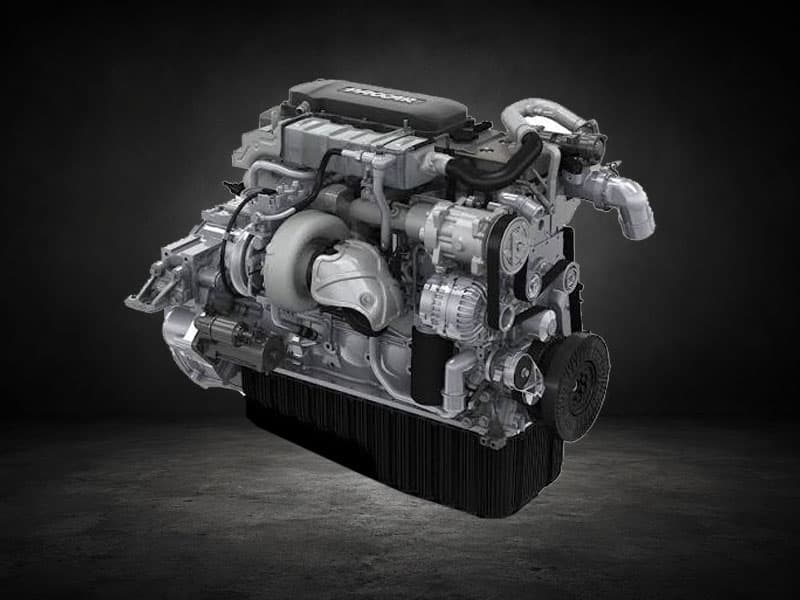
The Paccar PX-7 is the 6.7-liter inline-six Paccar markets as its medium-duty engine in Kenworth and Peterbilt Class 5-7 chassis. The honest description: the PX-7 is a Cummins-built ISB 6.7 with Paccar branding, Paccar-specific calibration architecture, and Paccar ECM diagnostics. The underlying engine block, fuel system, common-rail injection, and combustion architecture are pure Cummins ISB 6.7; the diagnostic and programming framework is Paccar.
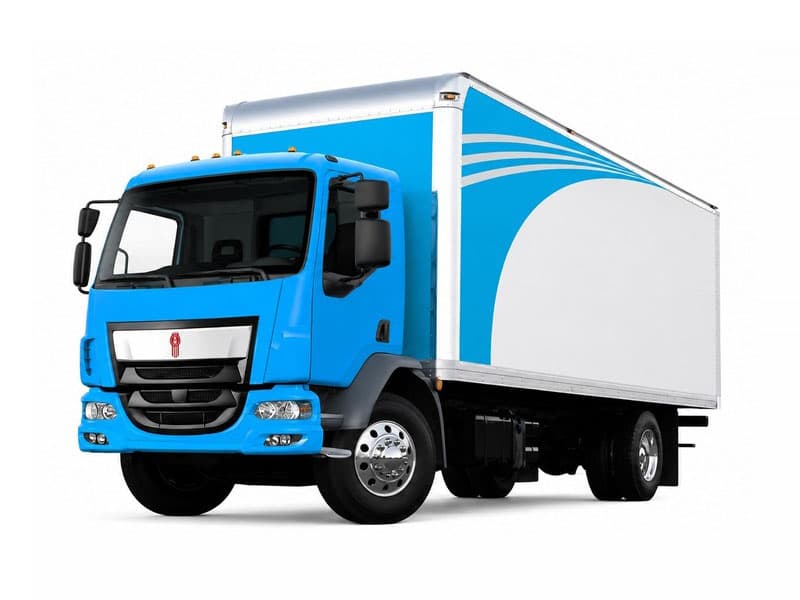
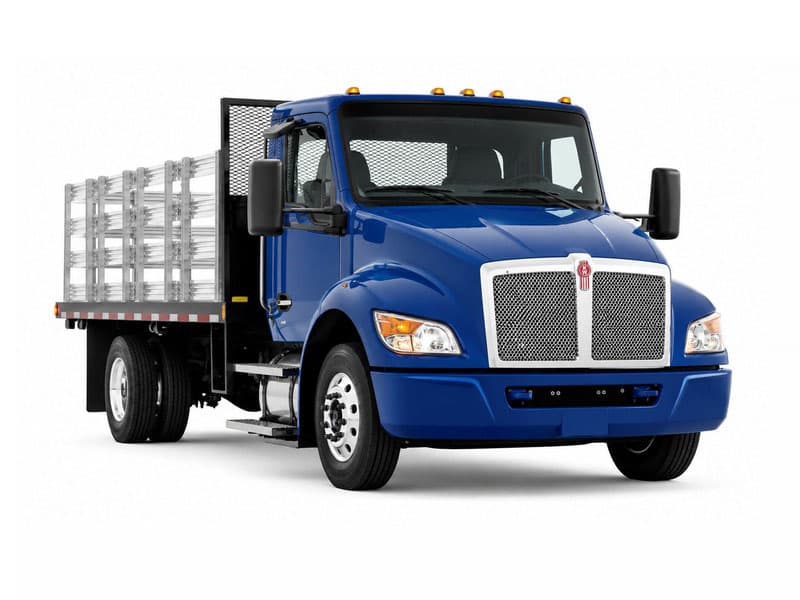
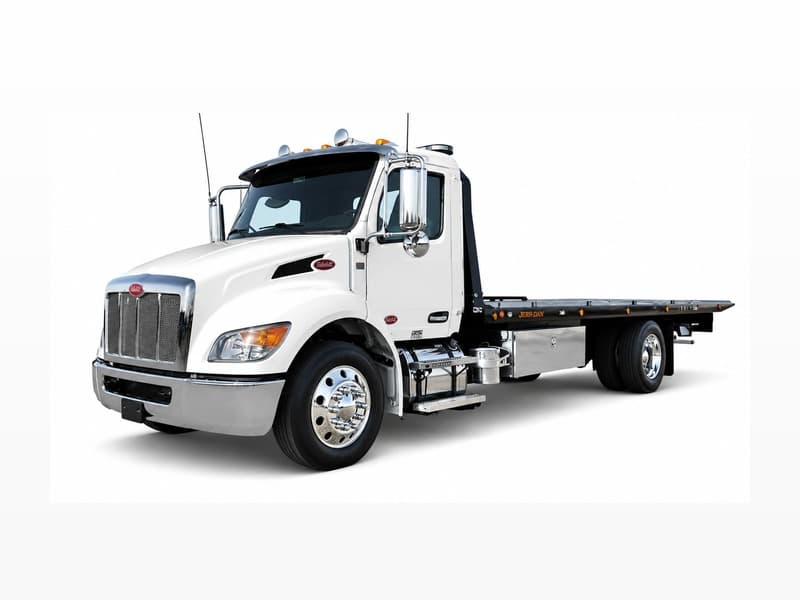
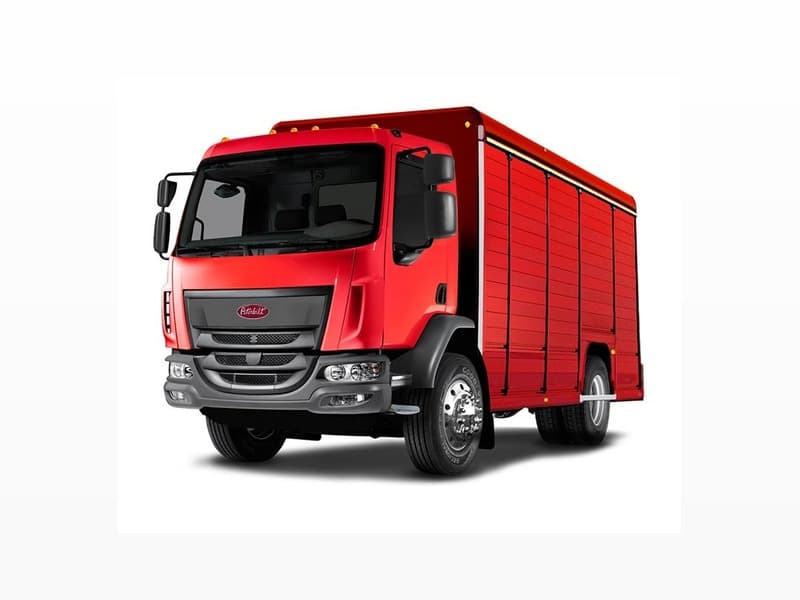
Power ratings on the PX-7 run from 200 to 360 horsepower with peak torque from 520 to 800 lb-ft, depending on year and application calibration. The platform appears in Kenworth T270, T370, K270, K370, T180, and similar medium-duty chassis, and in Peterbilt 220 and other medium-duty trucks. Common applications include towing recovery wreckers, utility line trucks, fire and EMS apparatus, school buses, refuse collection trucks, delivery trucks, and the broader medium-duty fleet.
Why PX-7 Trucks Come To Our Bench
The PX-7 inherits the ISB 6.7's underlying engine architecture and therefore inherits the ISB 6.7's failure patterns on medium-duty vocational service. What's different is the calibration architecture and the diagnostic tooling — programming work uses Paccar diagnostic software rather than Cummins INSITE, even though the engine block underneath is Cummins-built.
Short-cycle DPF derate on tow, utility, and refuse trucks. Same pattern as ISB 6.7 in F-650/F-750 and M2 106 service. Tow trucks, utility line trucks, and refuse trucks running short routes never let the DPF reach passive regen temperatures. Active regens trigger constantly without completing. Derate hits in the 200,000-350,000 mile window.
DEF dosing failures from urban thermal cycling. Medium-duty PX-7 trucks see more thermal cycling than highway tractors. DEF dosing valves fail earlier. NOx sensors drift faster. Standard pattern across all post-2010 medium-duty platforms in urban duty.
EGR-related intake fouling. Standard pattern. By 250,000 miles on heavy vocational duty, intake performance starts dropping. By 400,000 miles, manual cleaning or EGR delete becomes the practical fix.
PTO calibration challenges on utility and fire apparatus. Long PTO sessions on bucket trucks, fire pumpers, and similar PX-7-powered apparatus stress ECM logic that doesn't handle extended stationary operation gracefully. Calibration refinement addresses the underlying assumption mismatch.
ECM Identification
PX-7 trucks run Paccar's diagnostic architecture rather than Cummins INSITE — even though the underlying engine is Cummins-built. This matters operationally: shops set up for Cummins ISB 6.7 programming need to add Paccar diagnostic capability to work PX-7 trucks. Calibration libraries are Paccar-specific and don't transfer directly from ISB 6.7 calibration sources.
Diagnostic access is through the standard SAE J1939 9-pin connector. Sending us the truck VIN, engine serial number, and current calibration ID lets us scope the work and identify the correct calibration library before any quote.
What We Program On The PX-7
Combined DPF + EGR + SCR Delete (Off-Road & Export)
For PX-7 trucks dedicated to off-road service or export markets, combined delete eliminates the aftertreatment failure surface. Calibration approach mirrors what we do on equivalent ISB 6.7 trucks, with implementation through the Paccar calibration framework. Paired with appropriate hardware kits for the specific chassis and application.
Emissions Recalibration (On-Road Vocational)
For PX-7 trucks staying compliant in on-road service — most municipal fleets, fire departments, utility cooperatives, school districts, and tow operations need this path — recalibration after aftertreatment hardware service restores normal operation. Clears inducement countdowns, resets DEF dosing parameters, restores SCR efficiency tracking.
PTO Calibration For Vocational Apparatus
For PX-7 trucks built as utility line trucks, fire pumpers, vacuum trucks, or other PTO-heavy apparatus, calibration refinement addresses the long-stationary-operation challenges that the standard calibration logic doesn't handle well.
Calibration Recovery
PX-7 modules occasionally end up bricked after failed dealer reflashes. We recover most modules without replacement.
Service Paths For PX-7 Programming
All three standard service paths work. Ship-in is the most common — pull the ECM, ship to Fort Lauderdale, 2-3 day turnaround. Remote programming works for shops with their own Paccar diagnostic software. On-site service is available for South Florida fleet customers — municipal fleets, tow operations, utility cooperatives, fire departments — running multiple PX-7 medium-duty trucks.
Quotes return same business day. Tell us the year, the chassis (T270, T370, K270, etc.), current fault codes, and the truck's primary application. For municipal and utility fleet customers, NDAs and fleet pricing apply at typical scale. For tow operations specifically, scheduling coordinates with dispatch patterns so trucks needed for active calls stay available throughout the programming window.
Why The PX-7 Matters For Mixed Fleets
Mixed fleets running Ford F-650/F-750 (Cummins ISB 6.7), Freightliner M2 106 (Cummins ISB 6.7), and Kenworth T270/T370 or Peterbilt 220 (Paccar PX-7) end up needing programming support on what is effectively the same engine across three different diagnostic ecosystems. The operational pain point this creates is real — a fleet manager faces three different software stacks, three different calibration libraries, and three different dealer relationships to maintain the same underlying engine across the fleet.
Consolidating calibration work with us means one phone call regardless of which truck has the problem. We support all three diagnostic ecosystems and have established calibration approaches for each. For municipal fleet operators, utility cooperatives, and tow operations running this mixed configuration — which is extremely common in medium-duty fleets — the consolidation simplifies the operational reality without compromising on per-platform expertise.