ECM Performance — Diesel ECM Programming
KenworthVocational

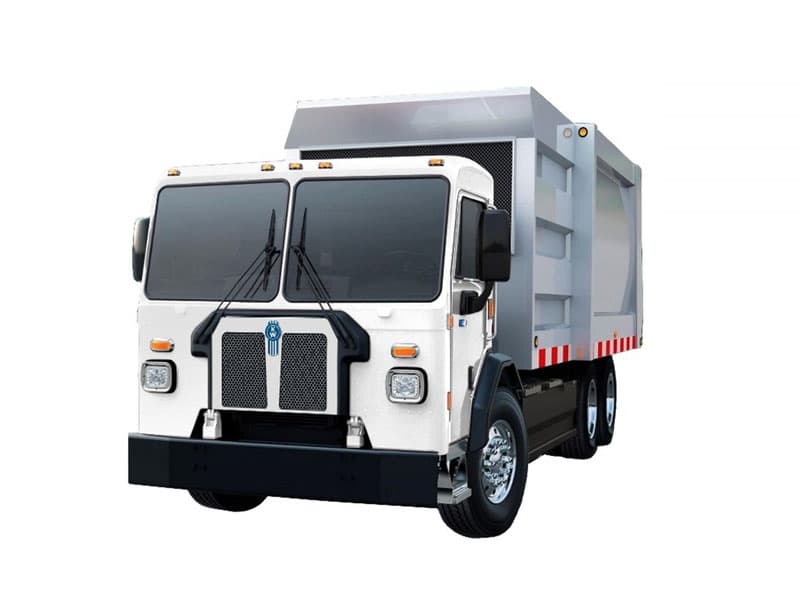
Kenworth L770

  • Tired of fault codes & derate? Call us now.
  • Stuck in regen failures? We can stop it.
  • 2-3 days from ship-in to back on the road.
  • 10,000+ ECMs across 38 countries.
Kenworth L770 diesel ECM tuning and programming image
Platform Details
Brand
Kenworth
Category
Vocational
Model
L770
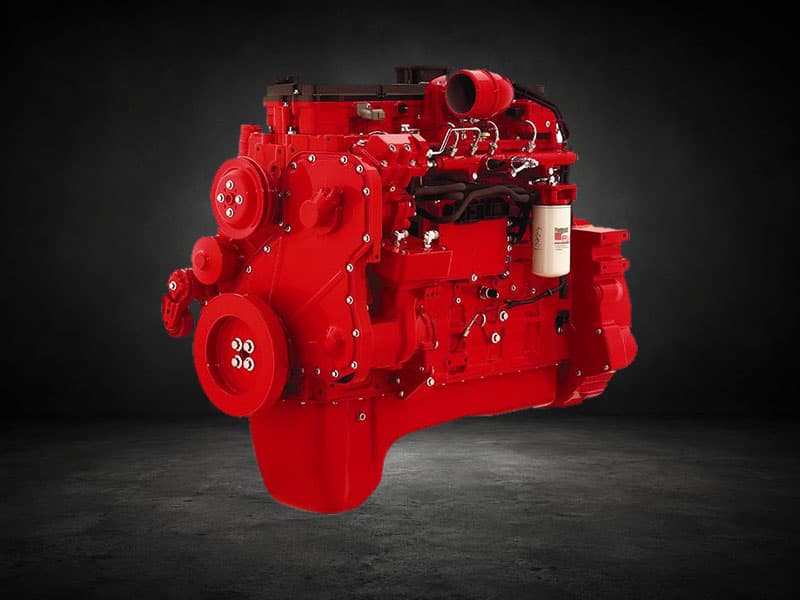
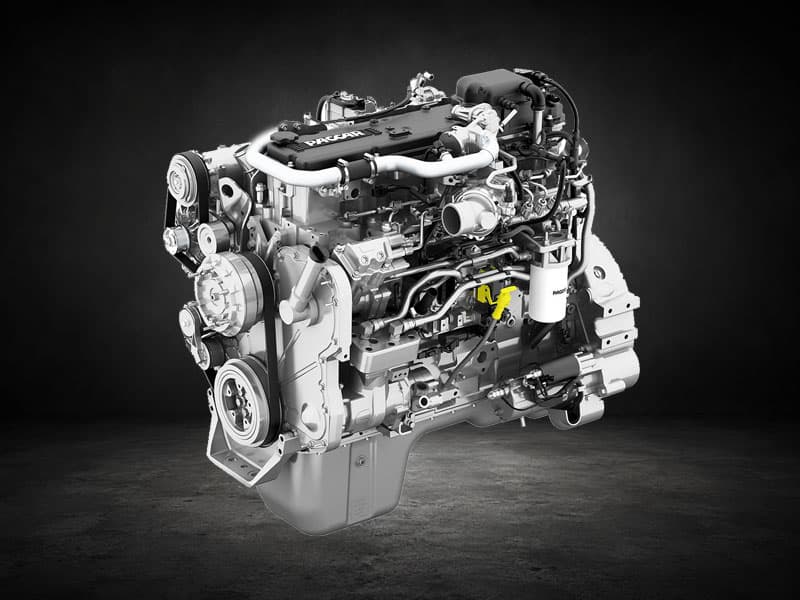
Engine Platforms
  • Paccar PX-9▸ Supported
  • Cummins ISL▸ Supported
Programming Available

Custom ECM programming, DPF/EGR delete, performance tuning, and emissions recalibration available for all Kenworth L770 engine platforms. Ship-in, remote, or on-site service in South Florida.

Kenworth's Low-Cab-Forward Refuse Platform

The Kenworth L770 is Kenworth's low-cab-forward (LCF) refuse cabover — purpose-built for refuse and recycling collection where forward visibility, tight maneuverability, and curb access define the operational requirements. The LCF architecture positions the cab forward of the front axle, dropping the driver's seating position close to the curb and providing the operational characteristics that refuse fleets value: easy curb access for collection routes, excellent forward visibility for urban routes with dense pedestrian and cyclist traffic, and tight turning capability for residential routes with narrow streets and frequent maneuvering.

The platform serves primarily refuse and recycling collection applications across residential, commercial, and roll-off configurations. The L770 also appears in waste sanitation applications including vacuum truck and sewer service configurations where the LCF architecture and chassis capability match the operational requirements. Paccar PX-9 8.9-liter is the dominant power option, with Cummins ISL 9 available on some fleet configurations.

Why L770 Trucks Come To Our Bench

L770 calibration work is dominated by the refuse-cycle aftertreatment reality — the most demanding duty cycle in trucking, expressed through the Paccar PX-9 platform with the operational stress characteristic of refuse collection work:

Packer-cycle PTO aftertreatment stress. The defining L770 calibration challenge. Refuse collection involves sustained packer-cycle PTO operation — heavy hydraulic load at low RPM, producing exhaust temperature patterns that the aftertreatment system wasn't engineered around. Active regen cycles trigger constantly. They almost never complete because the operational pattern never sustains the conditions regen logic expects. Soot accumulation builds. Ash loading approaches service limits. Derate hits at predictable mileage thresholds.

Cracked DPFs from forced parked regens. Standard refuse-fleet pattern. When the L770 refuses to regen during normal operation, mechanics resort to parked regens to clear soot accumulation. Parked regens involve sustained high exhaust temperatures with the truck stationary, producing thermal stress that frequently cracks DPF substrates. Pattern widespread enough that fleet operators routinely budget DPF replacement into operational expense — which is itself a symptom of the underlying calibration mismatch.

DEF dosing failures intensified by refuse duty. Standard EPA 2010 pattern, accelerated by the operational stress of refuse work. DEF dosing failures cluster on L770 trucks earlier than on lighter-duty PX-9 applications because the operational profile produces more sustained stress per mile. NOx sensor drift, SCR catalyst efficiency drops, inducement countdown patterns.

Calibration recovery on aging ECMs. Aging refuse-fleet L770 inventory accumulates ECM-side issues from years of demanding service. Standard PX-9 calibration recovery scope addresses most modules without replacement.

Waste sanitation vacuum-PTO operational adjustments. L770 chassis configured for vacuum truck or sewer service applications face the standard waste sanitation aftertreatment challenges — sustained vacuum pump PTO duty producing thermal patterns that regen logic doesn't handle gracefully.

Paccar PX-9 Calibration For Refuse Duty

L770 calibration work uses Paccar Davie diagnostic software with PX-9 specific calibration libraries adapted for refuse and waste sanitation operational reality. The libraries account for refuse-cycle aftertreatment stress patterns and adjust regen logic, DPF pressure thresholds, and DEF dosing strategies to match actual refuse operational duty.

For each L770 customer, intake conversation centers on identifying specific application — residential refuse collection, commercial waste collection, roll-off operation, recycling, vacuum truck waste sanitation, sewer service — because the calibration approach depends meaningfully on actual duty cycle.

Service Paths For L770 Programming

Ship-in is the most common path. Pull the PX-9 ECM, ship to Fort Lauderdale, 2-3 day programming turnaround. Remote programming works for shops with Paccar Davie diagnostic access. On-site service is available for South Florida refuse and waste sanitation fleet customers.

Quotes return same business day. Tell us the year, the engine (Paccar PX-9 or Cummins ISL), the specific refuse or waste sanitation application, fleet size, and current operational situation. For refuse and waste sanitation fleet customers running L770 inventory, multi-truck pricing applies and scheduling typically coordinates with operational requirements — rolling work across the fleet during routine maintenance rather than batching all trucks during specific windows.

The L770 In Refuse Cabover Context

The L770 competes in the LCF refuse cabover market against Peterbilt 520 (the closest Paccar-family alternative built on shared chassis architecture), Autocar ACX, Mack LR, and similar dedicated refuse cabover platforms. For refuse fleet operators choosing between platforms, the L770's combination of Paccar build quality, Kenworth dealer network access, and Paccar PX-9 power match operator priorities in specific operational and geographic contexts.

Our calibration work draws on broad Paccar PX-9 platform expertise across L770, K370, T380, T480, T370, and competing refuse cabover applications running PX-9 power. The refuse-cycle calibration challenges are consistent across the platform population, which means L770 customers benefit from the deep refuse-fleet calibration work we maintain across the broader refuse fleet population.

Municipal Refuse Contract Reality

Municipal refuse collection operations and private contractors handling municipal refuse contracts run under service commitments that don't accommodate L770 downtime gracefully. A scheduled route that doesn't get collected is a contract performance issue, a public complaint generator, and an operational disruption that ripples through the fleet schedule. Recurring aftertreatment-driven service issues across an L770 fleet directly affect contract performance and renewal economics. For municipal and contract refuse operators, calibration work that addresses recurring refuse-cycle aftertreatment issues delivers operational improvements that translate directly to contract reliability and fleet operational economics.
⏵ Truck down? Fleet stalled?

Kenworth L770 — Get Your Truck Programmed

Tell us your year, engine platform, and current fault codes. Same-day quotes. Ship-in, remote, or on-site programming available.

Engines In This Truck

L770 Engine Platforms

Click through to each engine for platform-specific calibration notes and known fault patterns.

Customer Stories

Kenworth L770 Outcomes

2011 Kenworth T370, 2011 Ford F-750, 2012 Freightliner M2 — bucket / utility fleet
Cummins ISC / ISL

Three weeks of zero limp mode, PTO, or shutdown issues. We made a huge difference in the storm relief — and earned a huge payday.

The Problem

Drove 18 hours into hurricane-stricken Florida with three bucket trucks for emergency power restoration. One truck went into shutdown within days; the other two went into limp mode within a week with PTO failures during sustained bucket operation. Without these trucks operating, the storm-relief contract — and the payday — was at risk.

Outcome

Called ECM Performance at 4:30 PM. Technician drove four hours overnight and arrived before sunrise. Coordinating with off-site team, all three trucks were running perfectly by 2 PM the next day. Three weeks of zero limp-mode, PTO, or shutdown events followed. Storm restoration completed; full payday earned.

Randall K.
Electrical Line Restoration Services — Florida hurricane response
Peterbilt 340, Kenworth T300, Sterling Acterra
Cummins 8.3 ISC / Paccar PX-8

After dealer-replacing turbos, EGRs, DPF filters and DOCs without fixing the problem, ECM Performance gave us a real solution. Wish I'd known about them four years earlier.

The Problem

Of 40 vehicles in the construction waste fleet, the 2007–2009 DPF-equipped trucks were the only ones with problems. Constant regen, power de-rate, recurring check-engine codes. Dealer-replaced turbos, EGRs, DPF filters, and DOCs across multiple trucks without resolving the underlying issue. Money pit.

Outcome

Started with one ECM as a test — back in two days, truck now runs better than the day it was bought. Sent the remaining fleet ECMs one at a time. All reprogrammed trucks are back on the jobsite producing revenue.

Chuck Z.
Construction waste service — 40-truck fleet
Kenworth T300 dump truck fleet
Paccar PX-8

Both trucks working great. Thanks for the fast service.

The Problem

Heavy idling and PTO duty produced constant DPF problems despite under 20,000 miles per truck. Limp mode, shutdowns, impossible to haul reliably.

Outcome

ECM Performance resolved the DPF pattern across the fleet with fast turnaround.

Charlie G.
Excavation / mining company
2010 Kenworth T370 service truck
Cummins ISC

Like magic. No more codes or problems. Wish we knew about this a year ago.

The Problem

Constant regen cycles, power de-rates, and recurring fault codes for DPF / crankcase pressure (codes 0555, 1881, 1883). Replacing the crankcase filter every 100+ hours to clear errors. Unburned regen fuel pushing past piston rings into crankcase — classic pattern for service-truck duty cycle.

Outcome

Reprogrammed ECM + DPF removal. Like magic, no more codes or problems. Wish we'd known a year ago.

Harold J.
Field equipment service — logging industry
2009 Kenworth T370 dump truck
Cummins ISC 8.3L 330HP

Highly recommend ECM Performance to anyone experiencing DPF-related issues.

The Problem

Only 1,700 hours but constant DPF-related limp modes. Cummins Insite forced regens at the dealer held for 15-18 hours before relapsing. PTO duty cycle fought the calibration. Older 2006-and-earlier trucks with no DPF had no problems.

Outcome

ECM shipped, returned in two days. 100+ hours of trouble-free operation since.

Department of Parks fleet manager
Municipal Roadway Maintenance — blacktop & gravel delivery
2009 Allianz Johnston 4000 sweeper, 2008 Freightliner refuse truck
Cummins ISC / ISB

Best money we ever invested in a vehicle repair. My boss thinks I'm a hero for solving this.

The Problem

Low-speed sweeper and refuse duty cycle fought the aftertreatment calibration. Constant regen and limp mode. Manufacturer, dealer, and Cummins service all said 'nothing is wrong' — the trucks just couldn't operate at 40 mph to sweep streets or pick up trash.

Outcome

Both ECMs reprogrammed. Back to full-time operation, no outside contractor needed.

Municipal sweeper / refuse department
Local municipality
Kenworth T-300 farm truck — 500,000 km
Cummins ISC

I'm telling everyone about you guys.

The Problem

Second ECM sent to ECM Performance after the first repair held up. T-300 in limp mode, no boost pressure on acceleration, recurring red and amber check-engine lights.

Outcome

Lightning-fast turnaround. T-300 now running as great as the Peterbilt 340 from the previous order.

Mike K.
Farmer
2008 Kenworth T300 service truck — 84,000 miles
Cummins ISC

Eight months with no problems. Rock solid reliable. Fuel consumption is down with more power.

The Problem

Replaced turbo and DPF filter. Couldn't idle, recurring shutdowns, limp mode every few days. Service tech directly identified the DPF filter as the source and recommended ECM Performance.

Outcome

Eight months of rock-solid reliability since reprogramming. Lower fuel consumption with more power.

Roy S.
Farm
2009 Kenworth T300 water tank truck — 120,000 miles
Cummins ISC

Idles and sprays water all day with no problems. Now we stay on the job site making money instead of costing money.

The Problem

Water truck used for dust control on excavation sites. Dealer told us to take it on the highway for two hours to complete regen — except the truck is jobsite equipment, not a highway tractor. Constant shutdowns.

Outcome

ECM returned in 2-3 days. Truck now idles and sprays water all day without problems. Crew and truck stay on the job site producing revenue.

Cory K.
Excavating company
2011 Kenworth T800
Caterpillar C13 ACERT

Idles all day and night without a problem. No more EGR or DPF problems.

The Problem

Certified pre-owned T800 in oilfield service with 24/7 idle and slow-speed operation. Almost immediate EGR valve failures and clogged DPF filter. Two dealer regens didn't hold. Another vendor on the job site referred ECM Performance.

Outcome

Shipped ECM, back in three days. No more EGR or DPF issues. Idles all day and night without a problem.

Caleb G.
Pipeliner services — oilfield operations
⏵ Truck down? Fleet stalled?

Get Your Kenworth Back On Revenue Routes

Same-day quotes. 2–3 day ship-in turnaround. Remote programming worldwide. Fleet and dealer pricing available.

CallQuoteTicket