PX-Series Versus MX-Series Diagnostic Patterns
Paccar uses two distinct engine families in modern Kenworth and Peterbilt trucks, and the diagnostic patterns differ significantly between them.
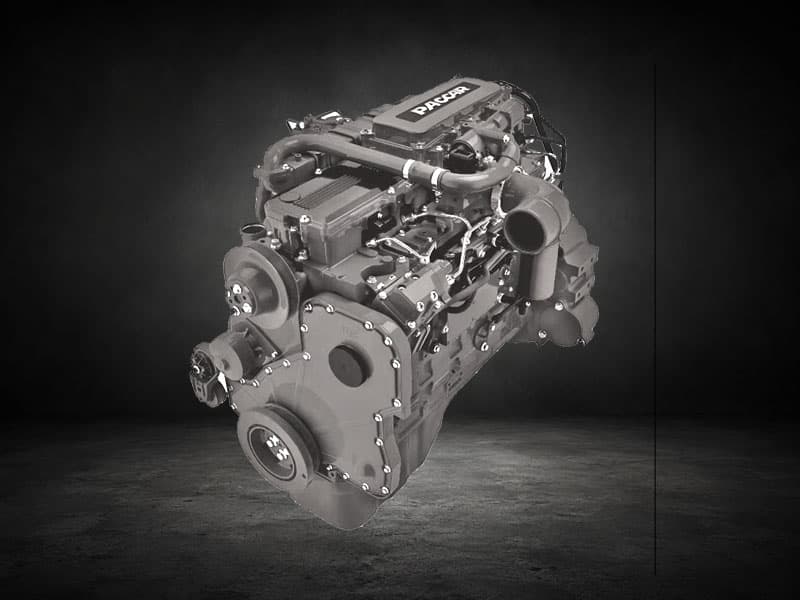
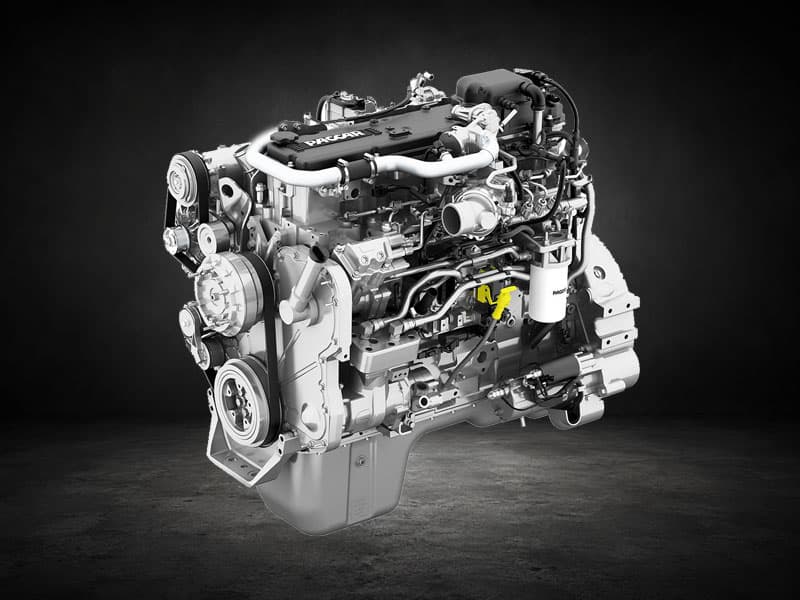
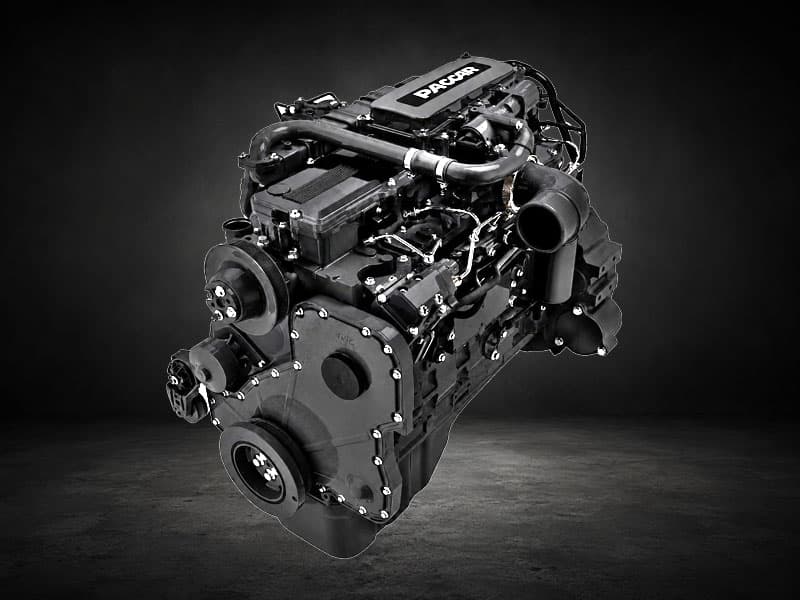
The PX-series (PX-6, PX-7, PX-8, PX-9) is the Paccar-badged version of Cummins medium-duty platforms — PX-6 corresponds to the Cummins B6.7, PX-8 corresponds to the Cummins ISC 8.3, PX-9 corresponds to the Cummins ISL9, and so on. The fault code patterns largely mirror the Cummins equivalents because the underlying engine hardware and ECM architecture come from Cummins. PX-series trucks typically respond to Cummins INSITE diagnostic tools alongside Paccar Davie4.
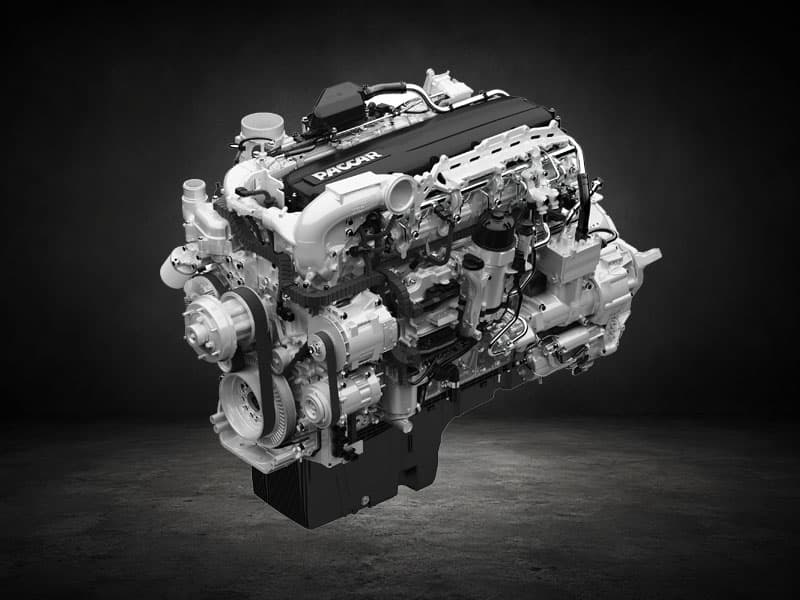
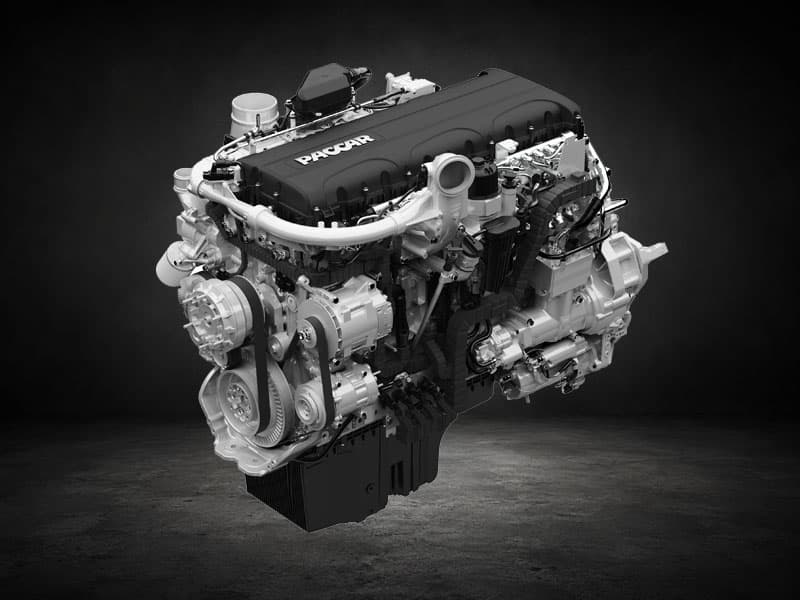
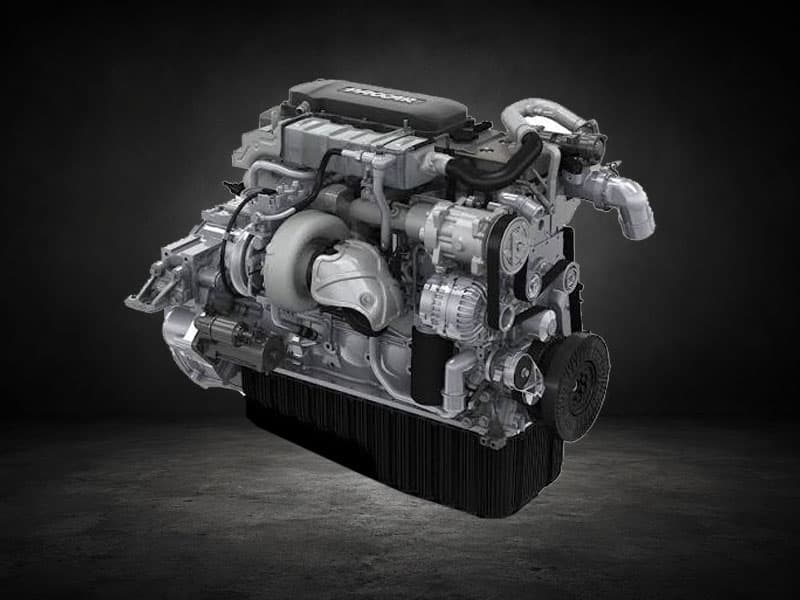
The MX-series (MX-11, MX-13) is the Paccar-engineered heavy-duty platform, built around the DAF MX engine from Paccar's European operations. The MX series uses Paccar-specific diagnostic conventions through Davie4. Fault codes appear primarily as J1939 SPN/FMI codes, but Davie4 layers Paccar-specific information on top of the standard codes — calibration version, configuration parameters, and operational history that aren't fully captured by the SPN/FMI codes alone.
Working diagnostically across the Paccar lineup requires recognizing which family the truck belongs to and which diagnostic ecosystem applies. The same operational symptom can produce somewhat different code patterns between a PX-8 powered Kenworth T370 and an MX-13 powered Kenworth T680, even though the underlying issues may be operationally similar.
DPF And Aftertreatment Codes On MX Engines
MX-13 in long-haul service shows the same fundamental aftertreatment code patterns we see across the broader post-2007 fleet population. SPN 3251 (DPF differential pressure) is the dominant DPF code. SPN 3719 (DPF soot load) and SPN 3720 (DPF ash load) track substrate condition estimates. SPN 3712 (active regen inhibited) flags failed regen attempts.
MX-13 trucks in regional and over-the-road service typically reach aftertreatment service patterns past 400,000-500,000 miles depending on operational profile. The DPF accumulation pattern is more pronounced in vocational and regional service than in steady highway service because operational duty cycle drives soot loading more than total mileage does.
The aftertreatment fuel injector codes (SPN 3479, SPN 3480) follow the same patterns as other platforms. SCR-related codes (SPN 4334, SPN 4364, SPN 5246) appear on EPA 2010+ MX engines, with the same inducement progression toward derate when SCR issues develop. MX-13 EGR cooler reliability patterns appear past comparable mileage thresholds to other heavy-duty platforms in similar operational service.
PX-Series Diagnostic Patterns
Because the PX-series shares hardware and calibration architecture with the Cummins B6.7/ISC/ISL/ISM line, the diagnostic patterns largely mirror those Cummins platforms. The same SPN codes appear in the same clusters and point at the same underlying issues. INSITE can read PX-series fault codes directly when connected, and Paccar Davie4 provides equivalent diagnostic capability through the Paccar diagnostic ecosystem.
For shop technicians familiar with Cummins ISC and ISL diagnostic work, PX-8 and PX-9 fault code analysis is essentially the same diagnostic process under different branding. The aftertreatment patterns, EGR system patterns, and engine protection patterns track Cummins conventions.
PX-series trucks in vocational service (dump, refuse, construction haul) typically show the aftertreatment patterns characteristic of Cummins ISC and ISL in similar service — DPF accumulation patterns appearing at 200,000-400,000 miles depending on operational severity, regen incompletion patterns characteristic of stop-and-go duty cycles, and EGR cooler patterns appearing past 300,000-400,000 miles in heavy service.
Davie4 Diagnostic Capabilities And Limitations
Paccar Davie4 is the Paccar-branded diagnostic platform — the equivalent of Cummins INSITE for the Paccar ecosystem. Davie4 connects through the standard J1939 datalink and provides fault code reading, parameter monitoring, calibration verification, and (with appropriate licensing) calibration update capability.
Davie4 access is typically restricted to authorized Paccar dealers and licensed independent service providers. Owner-operators and fleet customers without Davie4 access work from whatever diagnostic data is available through alternative tools or dealer-provided diagnostic reports. Many independent shops use third-party J1939 scan tools that read the standard SPN/FMI codes without the Paccar-specific layered information that Davie4 provides.
When working remotely with customers without Davie4 access, we work from fault code descriptions, dashboard photos, and operational context. The diagnostic conversation typically narrows the underlying cause from the information available, and the result confirms or refines with full diagnostic data when the ECM arrives for programming work or when on-site service occurs.
Common Code Clusters On Paccar Platforms
DPF accumulation progression on MX-13: SPN 3251 (differential pressure rising) → SPN 3712 (failed regen attempts) → SPN 3479 (aftertreatment fuel injector related) → SPN 5246 (inducement countdown for SCR issues that often coincide). The progression typically unfolds over weeks to months depending on operational pattern.
Cold-weather operational pattern on PX-8 vocational trucks: SPN 3251 appearing seasonally during the first severe cold of the winter, often with SPN 3712 (failed regen) clustering alongside, sometimes progressing to SPN 5246 inducement on EPA 2010+ trucks. The pattern resolves as ambient temperatures rise but recurs the following winter without intervention.
EGR cooler failure cluster: SPN 412 (EGR temperature abnormal) clustering with SPN 110 (coolant temperature) and eventually SPN 109 (coolant level) as coolant loss progresses. The EGR cooler failure cluster typically appears past predictable mileage thresholds on each platform and represents one of the few cases where hardware replacement is unavoidable.
Working through these clusters in diagnostic conversation typically identifies the underlying pattern within a few minutes once the operational context is established. The pattern recognition saves substantial diagnostic time on subsequent trucks once the fleet pattern is established.